We're loading the full news article for you. This includes the article content, images, author information, and related articles.
Gwagwalada residents are crying out as mountains of uncollected trash take over the Zuba-Gwagwalada expressway, sparking fears of a public health disaster in the FCT.
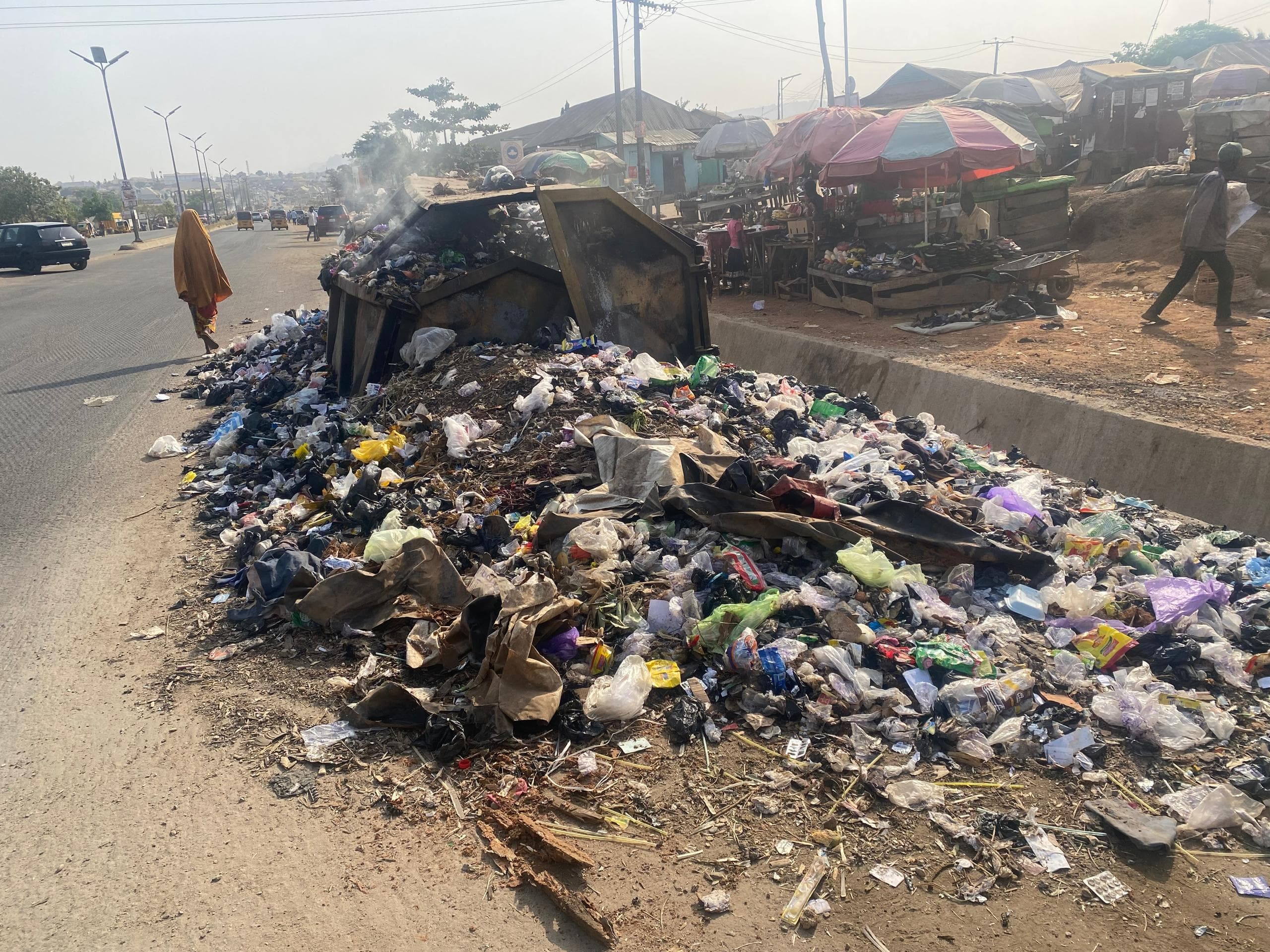
Residents of Gwagwalada are raising a frantic alarm over a mounting environmental catastrophe, as heaps of uncollected refuse threaten to swallow the Zuba-Gwagwalada expressway.
The gateway to Nigeria’s capital is becoming a graveyard of garbage. In a stark juxtaposition to the orderliness expected of the Federal Capital Territory (FCT), the residents of Gwagwalada Area Council are living in the shadow of decomposing waste. Mounds of refuse, stretching along the Zuba-Gwagwalada road, have now encroached upon the tarmac, forcing motorists to swerve dangerously and pedestrians to navigate a gauntlet of filth and stench.
This escalating sanitation crisis is more than an eyesore; it is a public health emergency in the making. With the rainy season approaching, the fear of a cholera outbreak is palpable. The breakdown in waste management services has exposed the fragile infrastructure of Abuja’s satellite towns, where rapid urbanization has far outpaced the capacity of municipal services to keep the streets clean.
For the locals, the situation has become untenable. Femi Ayoola, a resident whose daily commute takes him past the growing mountains of trash, describes the experience as suffocating. "It is not just the smell; it is the shame," Ayoola told reporters. "How can this be the entrance to the FCT? The council has failed to provide designated collection points, so people dump waste in the drainage. We are poisoning ourselves."
The Gwagwalada crisis is a microcosm of a broader waste management failure plaguing Africa’s rapidly expanding cities. The "Baban Bola" (scavenger) economy, which often serves as an informal recycling system, is overwhelmed by the sheer volume of non-biodegradable plastic and organic waste generated by the district’s exploding population.
Residents are now demanding that the Gwagwalada Area Council declare a sanitation state of emergency. They are calling for the immediate deployment of compactors to clear the backlog and the establishment of permanent, serviced waste collection centers. Until then, the Zuba-Gwagwalada road remains a testament to neglect—a highway paved not just with asphalt, but with the refuse of a system that has forgotten its most basic duty to its citizens.
Keep the conversation in one place—threads here stay linked to the story and in the forums.
Sign in to start a discussion
Start a conversation about this story and keep it linked here.
Other hot threads
E-sports and Gaming Community in Kenya
Active 9 months ago
The Role of Technology in Modern Agriculture (AgriTech)
Active 9 months ago
Popular Recreational Activities Across Counties
Active 9 months ago
Investing in Youth Sports Development Programs
Active 9 months ago