We're loading the full news article for you. This includes the article content, images, author information, and related articles.
Medical experts clarify the realities of Tourette Syndrome, debunking media stereotypes and highlighting the need for comprehensive behavioral support.
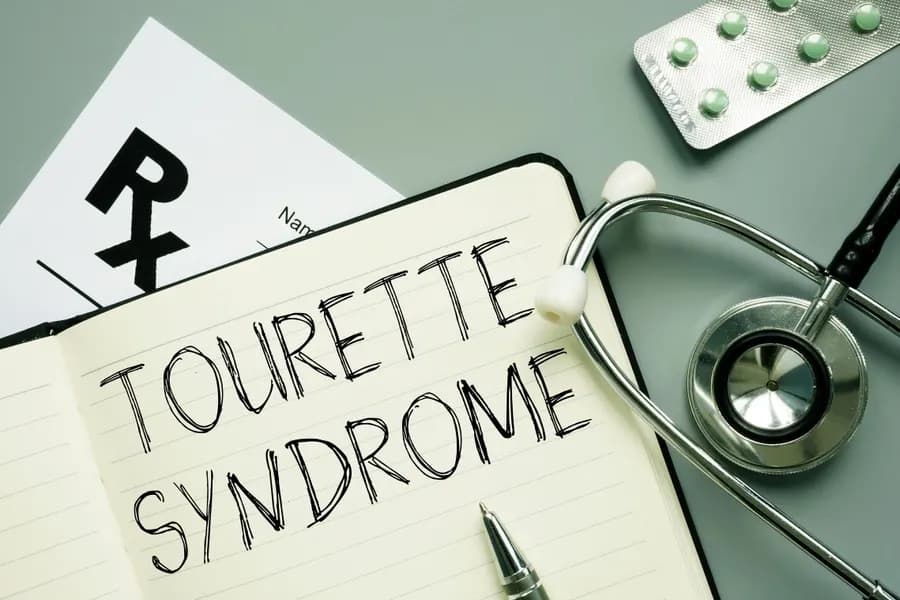
Medical professionals are urging a deeper public understanding of Tourette Syndrome, emphasizing that the condition is far more complex than the sensationalized media portrayals of involuntary swearing, and requires compassionate, individualized care.
Tourette Syndrome (TS) remains one of the most misunderstood neurological disorders in the public consciousness. Frequently reduced to a punchline in popular culture, the reality of living with TS is a complex navigation of motor and vocal tics that can significantly impact daily life, education, and social development.
Neurologists and pediatricians are fighting an uphill battle to dismantle these deeply ingrained misconceptions. They stress the urgent need for a paradigm shift in how society, schools, and workplaces accommodate individuals with tic disorders, moving away from stigma and toward structured support.
The most pervasive myth surrounding TS is coprolalia—the involuntary outburst of obscene or socially inappropriate words. In reality, this symptom affects only a small minority (roughly 10%) of individuals diagnosed with the syndrome. The vast majority experience more subtle, yet still disruptive, tics.
These can range from rapid eye blinking, facial grimacing, and shoulder shrugging (motor tics) to throat clearing, sniffing, or grunting (vocal tics). The intensity and frequency of these tics wax and wane, often exacerbated by stress, anxiety, or even excitement, making the condition highly unpredictable.
Diagnosing Tourette Syndrome requires careful observation, as there is no single blood test or brain scan that definitively confirms it. Diagnosis is based on the presence of both motor and vocal tics for at least one year, typically beginning in childhood.
Crucially, TS rarely travels alone. Doctors emphasize that managing the condition often means addressing prevalent co-occurring disorders, such as Attention Deficit Hyperactivity Disorder (ADHD), Obsessive-Compulsive Disorder (OCD), and severe anxiety. Treating these related conditions is often vital to improving the patient's overall quality of life.
While there is no cure for TS, various treatments can help manage symptoms when they interfere with functioning. Comprehensive Behavioral Intervention for Tics (CBIT) is increasingly recognized as a highly effective, non-pharmacological first-line treatment, teaching patients to recognize the urge to tic and substitute a competing behavior.
However, the most critical intervention is societal empathy. Educating teachers, peers, and employers about the involuntary nature of tics is essential to preventing the social isolation and bullying that often accompany the disorder.
"Understanding that a tic is a neurological misfire, not a behavioral choice, is the first step toward genuine inclusion," states a prominent pediatric neurologist.
Keep the conversation in one place—threads here stay linked to the story and in the forums.
Sign in to start a discussion
Start a conversation about this story and keep it linked here.
Other hot threads
E-sports and Gaming Community in Kenya
Active 9 months ago
The Role of Technology in Modern Agriculture (AgriTech)
Active 9 months ago
Popular Recreational Activities Across Counties
Active 9 months ago
Investing in Youth Sports Development Programs
Active 9 months ago