We're loading the full news article for you. This includes the article content, images, author information, and related articles.
As millions of Kenyan Muslims observe Ramadan, health experts issue critical dietary guidelines to combat acute acid reflux triggered by improper Iftar habits.
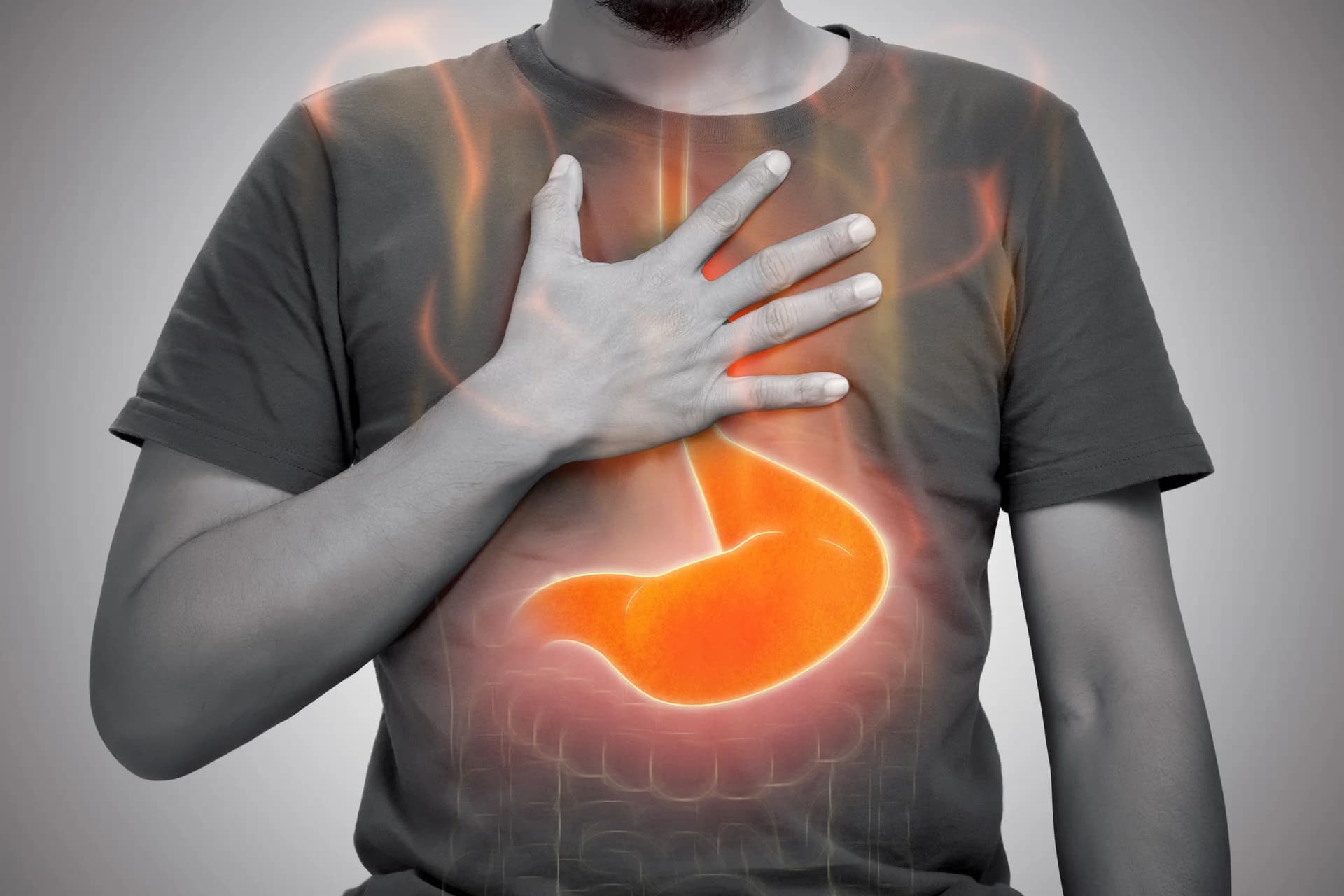
As millions of Kenyan Muslims observe the holy month of Ramadan, health experts are issuing critical dietary guidelines to combat the surge of acute acid reflux and heartburn triggered by improper Iftar habits.
The setting of the sun during Ramadan brings the joyous breaking of the fast, a moment of spiritual reflection and communal feasting. However, for many observers, the immediate aftermath of Iftar is marred by the sharp, burning discomfort of acid reflux. This physiological backlash is an entirely preventable consequence of how, rather than what, the fast is broken.
Why does the body rebel after a day of fasting? When the stomach is empty for 13 to 14 hours, it remains primed with digestive acids. Suddenly overwhelming this delicate environment with heavy, oily, or rapidly consumed food causes the lower esophageal sphincter to relax erratically, propelling acid upwards and causing agonizing heartburn.
Medical professionals and the World Health Organization (WHO) advocate for a strategic, phased approach to breaking the fast. The cardinal rule is moderation and pacing. The digestive system requires a gentle reawakening before it can process a full meal.
The traditional Islamic practice of breaking the fast with dates is not merely spiritual; it is scientifically optimal. Dates provide an immediate, gentle surge of natural sugars and vital energy without shocking the gastric lining. Crucially, experts recommend a strict 10-minute pause after consuming dates and water—often utilized for Maghrib prayers—allowing the stomach to prime itself for digestion.
The composition of the main meal dictates the likelihood of nighttime discomfort. Observers are heavily cautioned against specific culinary choices that act as catalysts for indigestion.
Beyond the immediate discomfort, repeated bouts of acid reflux can lead to chronic gastrointestinal issues. Maintaining proper hydration between Iftar and Suhoor, avoiding excessive caffeine or fizzy drinks, and incorporating fiber-rich plant foods ensures the body handles the rigorous fasting schedule efficiently.
Ramadan is a test of spiritual endurance, but it need not be a trial of physical suffering. By treating Iftar as a careful, mindful process of nourishment rather than an aggressive compensation for the day’s hunger, observers can protect their health and fully embrace the tranquility of the holy month.
Keep the conversation in one place—threads here stay linked to the story and in the forums.
Sign in to start a discussion
Start a conversation about this story and keep it linked here.
Other hot threads
E-sports and Gaming Community in Kenya
Active 9 months ago
The Role of Technology in Modern Agriculture (AgriTech)
Active 9 months ago
Popular Recreational Activities Across Counties
Active 9 months ago
Investing in Youth Sports Development Programs
Active 9 months ago