We're loading the full news article for you. This includes the article content, images, author information, and related articles.
President Tinubu declares Nigeria saved from bankruptcy as his administration reports improved economic indicators and fiscal stabilization in 2026.

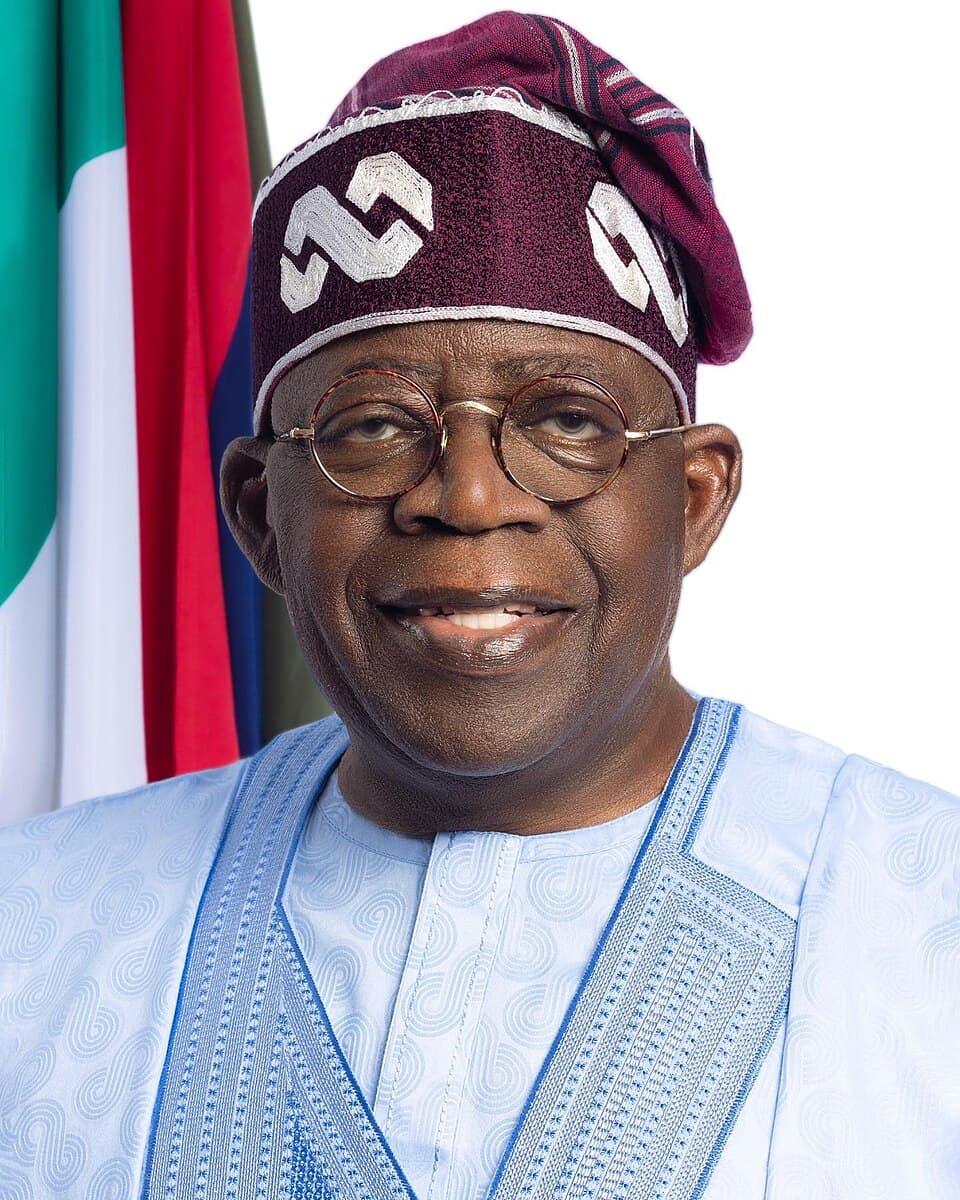
At the Presidential Villa in Abuja on Monday night, amidst an interfaith breaking of the fast, President Bola Ahmed Tinubu delivered a resolute declaration: his administration has steered Nigeria away from the precipice of national bankruptcy. For an audience of religious and traditional leaders, the President’s message was one of survival and nascent prosperity, marking a significant, if contentious, milestone in his two-year economic reform agenda.
The President’s claim touches on the core of his administration’s mandate: a series of aggressive, often painful, policy shifts designed to dismantle the structural imbalances that had long plagued Africa’s most populous nation. While the assertion of "saving" the country resonates with government supporters who point to stabilizing macroeconomic indicators, the reality for the average Nigerian remains a complex landscape of rising costs, reform-induced fatigue, and the slow, grinding process of structural adjustment. As the nation enters the second quarter of 2026, the gap between official rhetoric and street-level economic sentiment continues to define the political discourse.
President Tinubu’s narrative of bankruptcy—a term he has frequently invoked since the removal of the decades-old fuel subsidy and the liberalization of the foreign exchange market in 2023—is rooted in a fiscal reality that analysts acknowledge was dire at the time of his inauguration. For years, Nigeria functioned under a distortionary regime where unsustainable fuel subsidies and multiple, opaque exchange rates drained the national treasury, leaving little room for infrastructure investment or social spending.
The administration’s argument is that the "daunting and challenging" landscape of mid-2023 was the direct result of a fiscal model that had exhausted its credit. By ending the subsidy and floating the naira, the government sought to stop the hemorrhage. Official data now suggests these measures are bearing fruit:
Despite the official optimism, the economic "turnaround" remains uneven. While the federal government has successfully avoided the immediate insolvency predicted by critics two years ago, it now faces a different, equally formidable challenge: debt servicing. Financial reports from February 2026 indicate that the cost of servicing public debt continues to absorb a staggering percentage of federal revenue. This limits the "fiscal space" available for the capital projects the government insists are the engine of its future prosperity.
This pressure is felt most acutely by the country’s most vulnerable citizens, particularly pensioners. Recent reports from the Nigeria Union of Pensioners highlight a persistent struggle for dignity. While the President’s statement on Monday promised relief for senior citizens—citing improved pension payments and efforts to introduce free healthcare initiatives—the reality is that many retirees are still battling the erosion of their purchasing power. A specific point of contention remains the implementation of pension board reforms, with retired police officers and other civil service cohorts currently waiting for legislative and executive action to establish dedicated pension boards, effectively decoupling them from the broader, strained Contributory Pension Scheme.
The Nigerian experience offers a compelling mirror for East African nations, particularly Kenya, which has also been navigating its own turbulent path of fiscal consolidation. Both nations share the struggle of balancing aggressive tax reforms with the imperative of protecting a population sensitive to cost-of-living shocks. When Nairobi policymakers look at Abuja’s trajectory, they see a familiar tension: the necessity of "broadening the tax base" versus the risk of stifling nascent entrepreneurship.
Data from the Mastercard Economics Institute in early 2026 highlights that while Nigeria’s startup ecosystem has seen a decrease in deal volume compared to Kenya’s more concentrated capital focus, both economies are being reshaped by digital adoption. The Nigerian government’s pivot to technology-enabled revenue collection—a strategy Tinubu employed successfully as Governor of Lagos—is now being scaled at the federal level. Yet, the lessons from Abuja suggest that fiscal sustainability cannot be bought with policy alone it requires a delicate management of social expectations, particularly in countries where the youth and retiree demographics are equally clamoring for tangible dividends from governance.
President Tinubu’s declaration that "Nigeria will never surrender" to instability or economic ruin serves as a rallying cry, but the jury is still out on the long-term sustainability of the current growth model. The administration’s focus on 2026 as a year of "consolidation" relies heavily on the continued stability of the naira and the anticipated decline in inflation. However, with global commodity prices remaining volatile and security challenges still impacting agricultural productivity in the northern regions, the path to prosperity is far from guaranteed.
As the government prepares for upcoming diplomatic engagements, including a high-profile state visit to the United Kingdom later this month, the narrative of a "saved" nation will likely be the cornerstone of its international pitch. For the citizens in Kano, Lagos, and Abuja, however, the test will not be found in macroeconomic growth percentages, but in the stability of prices, the reliability of their pensions, and the tangible reduction in the cost of survival. The nation may have avoided bankruptcy, but the true cost of that rescue is still being paid by the people.
Keep the conversation in one place—threads here stay linked to the story and in the forums.
Sign in to start a discussion
Start a conversation about this story and keep it linked here.
Other hot threads
E-sports and Gaming Community in Kenya
Active 9 months ago
The Role of Technology in Modern Agriculture (AgriTech)
Active 9 months ago
Popular Recreational Activities Across Counties
Active 9 months ago
Investing in Youth Sports Development Programs
Active 9 months ago
Key figures and persons of interest featured in this article