We're loading the full news article for you. This includes the article content, images, author information, and related articles.
A terrifying cartel rampage in Guadalajara following the death of a notorious kingpin threatens to send shockwaves through the global narcotics trade.
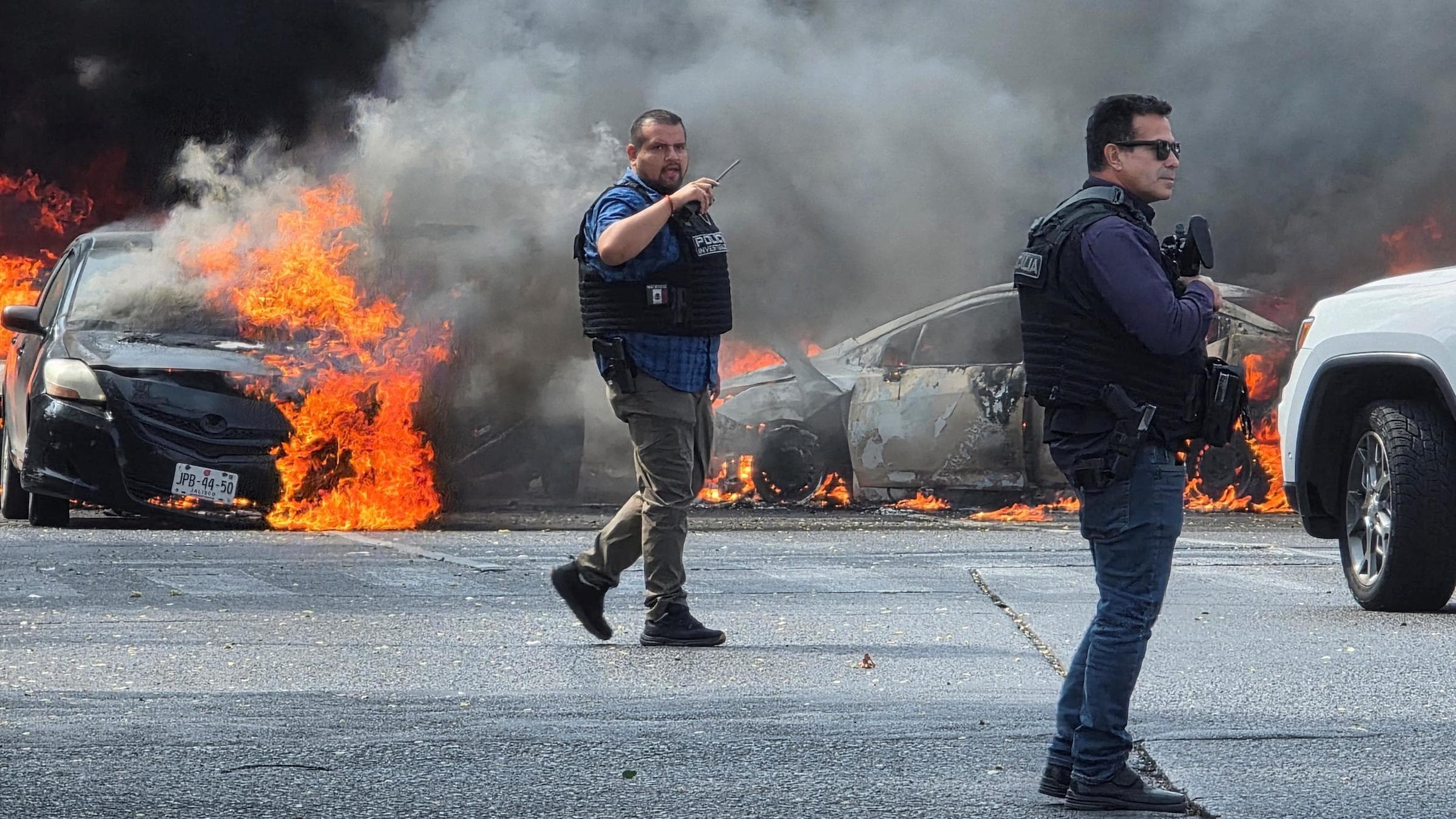
A terrifying cartel rampage in Guadalajara following the death of a notorious kingpin threatens to send shockwaves through the global narcotics trade, with direct implications for East African transit routes.
The terrifying aftermath of a coordinated cartel rampage in Mexico's western city of Guadalajara has left security forces worldwide on high alert. This explosive event signals a volatile shift in the global narcotics underworld, an upheaval that reaches far beyond North American borders.
The violent outbursts, triggered by the targeted assassination of Nemesio "El Mencho" Oseguera, the feared leader of the Jalisco New Generation Cartel (CJNG), represent a critical destabilization of international drug syndicates. For East Africa, a historically vulnerable transit corridor, this sudden power vacuum threatens to unleash a new wave of illicit financing and territorial disputes among local smuggling networks looking to capitalize on the chaos.
The streets of Guadalajara remain scarred by the sheer ferocity of the cartel's retaliation. Plumes of black smoke and the charred remains of hijacked public transport vehicles serve as grim monuments to the CJNG's operational capacity. However, El Mencho's demise has not crippled the organization; rather, it has catalyzed a frantic and bloody succession battle. International security analysts warn that the fragmentation of such a monolithic syndicate historically leads to unpredictable surges in violence, as splinter factions aggressively vie for control of lucrative international trafficking routes.
These violent power struggles are never contained to the source country. The CJNG built a sophisticated, multi-billion dollar empire reliant on vast, uninterrupted global supply chains. When the top tier of leadership is decapitated, the resulting infighting immediately disrupts shipments, forcing mid-level commanders to seek alternative, often riskier, routes to maintain their cash flow and assert dominance.
While the gunfire echoes loudly in Jalisco, the economic and security tremors are felt acutely along the Swahili coast. Global cartels have increasingly exploited East African ports, particularly Mombasa and Dar es Salaam, as porous transit hubs for smuggling heroin and cocaine to European and Asian markets. The current disruption in Mexico creates an urgent, desperate supply chain crisis. Local authorities anticipate that cartel lieutenants will attempt to force larger shipments through Kenyan waters, attempting to secure quick capital to fund their internal wars back home.
The financial scale of the CJNG's operations is staggering, with annual revenues previously estimated in the billions of dollars. When converted to local currency, the figures eclipse national budgets—a mere $10 million (approx. KES 1.3 billion) injected into the Kenyan illicit economy can severely distort local real estate markets and compromise institutional integrity. The influx of "blood money" seeking refuge from the chaos in Mexico often finds its way into rapid infrastructure developments, artificially inflating property prices in Nairobi's prime districts like Kilimani and Upper Hill.
This aggressive laundering destabilizes the legitimate economy, making housing unaffordable for ordinary citizens while shielding criminals behind corporate facades. Financial regulatory bodies in Kenya are currently reviewing bulk transactions to identify anomalous international wire transfers originating from shell companies linked to the Americas.
In response to the escalating crisis, Interpol has issued a series of red notices targeting the newly emerging leadership tier of the CJNG. Kenyan law enforcement is operating in unprecedented coordination with international anti-narcotics task forces. Joint naval patrols and enhanced container scanning protocols have been rapidly deployed across East Africa's primary entry points. The objective is uncompromising: sever the financial arteries that connect the cartels to their African transit nodes before the violence can metastasize locally.
Furthermore, digital surveillance has been ramped up to track the dark web communications that facilitate these transnational shipments. Authorities are acutely aware that modern cartels operate as sophisticated logistics corporations, requiring equally sophisticated countermeasures to dismantle their networks effectively.
Beyond the geopolitical maneuvering and the billions of shillings in illicit finance lies the devastating, inescapable human cost. The terror inflicted upon the citizens of Guadalajara mirrors the silent suffering of communities in coastal Kenyan cities, where the spillover of the drug trade has fueled severe addiction crises and neighborhood violence. The eradication of a single kingpin is not a victory if the resulting power struggle merely displaces the suffering to new, vulnerable territories across the globe.
"When the head of the snake is severed in Jalisco, the venom inevitably spills into the streets of Mombasa; vigilance is no longer optional, but a matter of absolute national survival," a senior regional security expert observed.
Keep the conversation in one place—threads here stay linked to the story and in the forums.
Sign in to start a discussion
Start a conversation about this story and keep it linked here.
Other hot threads
E-sports and Gaming Community in Kenya
Active 9 months ago
The Role of Technology in Modern Agriculture (AgriTech)
Active 9 months ago
Popular Recreational Activities Across Counties
Active 9 months ago
Investing in Youth Sports Development Programs
Active 9 months ago
Key figures and persons of interest featured in this article