We're loading the full news article for you. This includes the article content, images, author information, and related articles.
As artificial intelligence radically reshapes global healthcare, mental health professionals who integrate these clinical tools are positioned to outdo and outlast those resisting the digital transition.
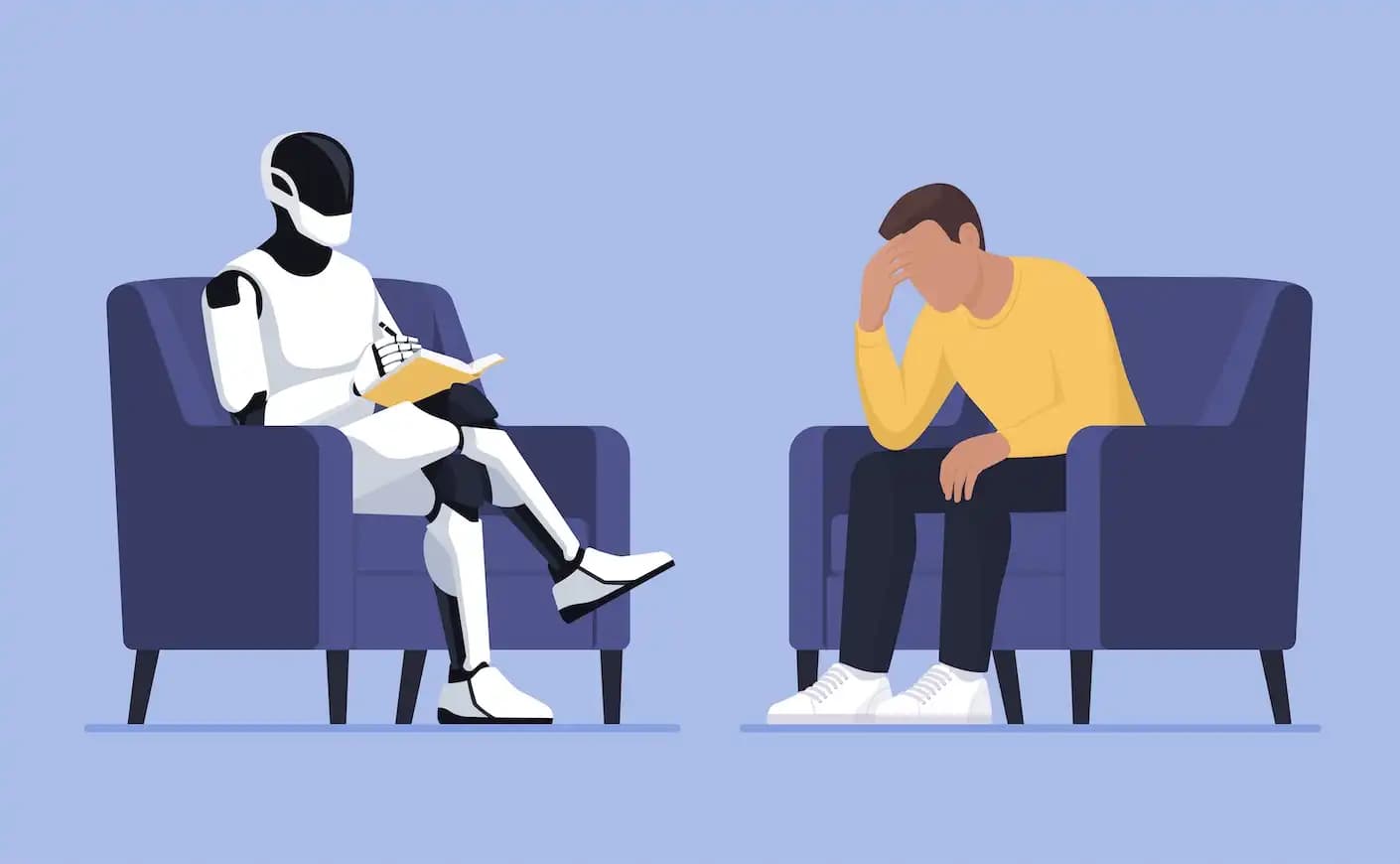
As artificial intelligence radically reshapes global healthcare, mental health professionals who integrate these clinical tools are positioned to outdo and outlast those resisting the digital transition.
The conversation surrounding AI in therapy has evolved from speculative fear-mongering to practical, administrative implementation, revealing profound benefits for overburdened clinicians.
This technological shift is no longer on the periphery; it is actively redefining the therapeutic landscape. Why does this matter right now? With rising global anxiety rates and a crippling shortage of mental health professionals—particularly in developing regions like East Africa—AI offers a vital mechanism to expand clinical capacity without sacrificing the human element of care.
Contrary to the doomsday narratives predicting the algorithmic replacement of human empathy, the most significant impact of AI currently lies in administration. A recent survey revealed that documentation automation can generate up to 80% of progress note content, slashing provider paperwork time by more than 70%. For a therapist seeing 25 to 30 clients a week, this is not merely a convenience; it is a profound defense against professional burnout.
Tools like Upheal are analyzing intake sessions to create comprehensive case snapshots. This allows therapists to seamlessly maintain the "golden threads" of a patient's narrative across multiple sessions, ultimately improving the quality of clinical interventions.
When the mental burden of note-taking and insurance compliance is outsourced to an AI system, therapists report being significantly more emotionally available to their clients. Over 86% of surveyed clinicians noted enhanced mental presence during sessions when supported by AI.
In Kenya, where the ratio of mental health professionals to the general population remains critically low, the strategic deployment of AI could be revolutionary. While a digital chatbot cannot replicate the nuanced empathy of a trained Kenyan counselor navigating complex socio-cultural traumas, AI can handle the crushing weight of clinic administration. This allows local psychiatrists to see more patients and devote their finite energy to acute trauma and complex psychological care.
Furthermore, AI tools can help standardize mental health records across county hospitals, providing a clearer epidemiological picture of the nation's mental wellbeing.
"The therapeutic relationship cannot be algorithmatized, but the systems that support it absolutely must be," asserts the emerging clinical consensus, charting a clear path forward for modern psychology.
Keep the conversation in one place—threads here stay linked to the story and in the forums.
Sign in to start a discussion
Start a conversation about this story and keep it linked here.
Other hot threads
E-sports and Gaming Community in Kenya
Active 9 months ago
The Role of Technology in Modern Agriculture (AgriTech)
Active 9 months ago
Popular Recreational Activities Across Counties
Active 9 months ago
Investing in Youth Sports Development Programs
Active 9 months ago