We're loading the full news article for you. This includes the article content, images, author information, and related articles.
A staggering $200 million family-run pea protein enterprise is rapidly emerging as the primary fuel source for the global demographic heavily reliant on GLP-1 weight-loss medications.
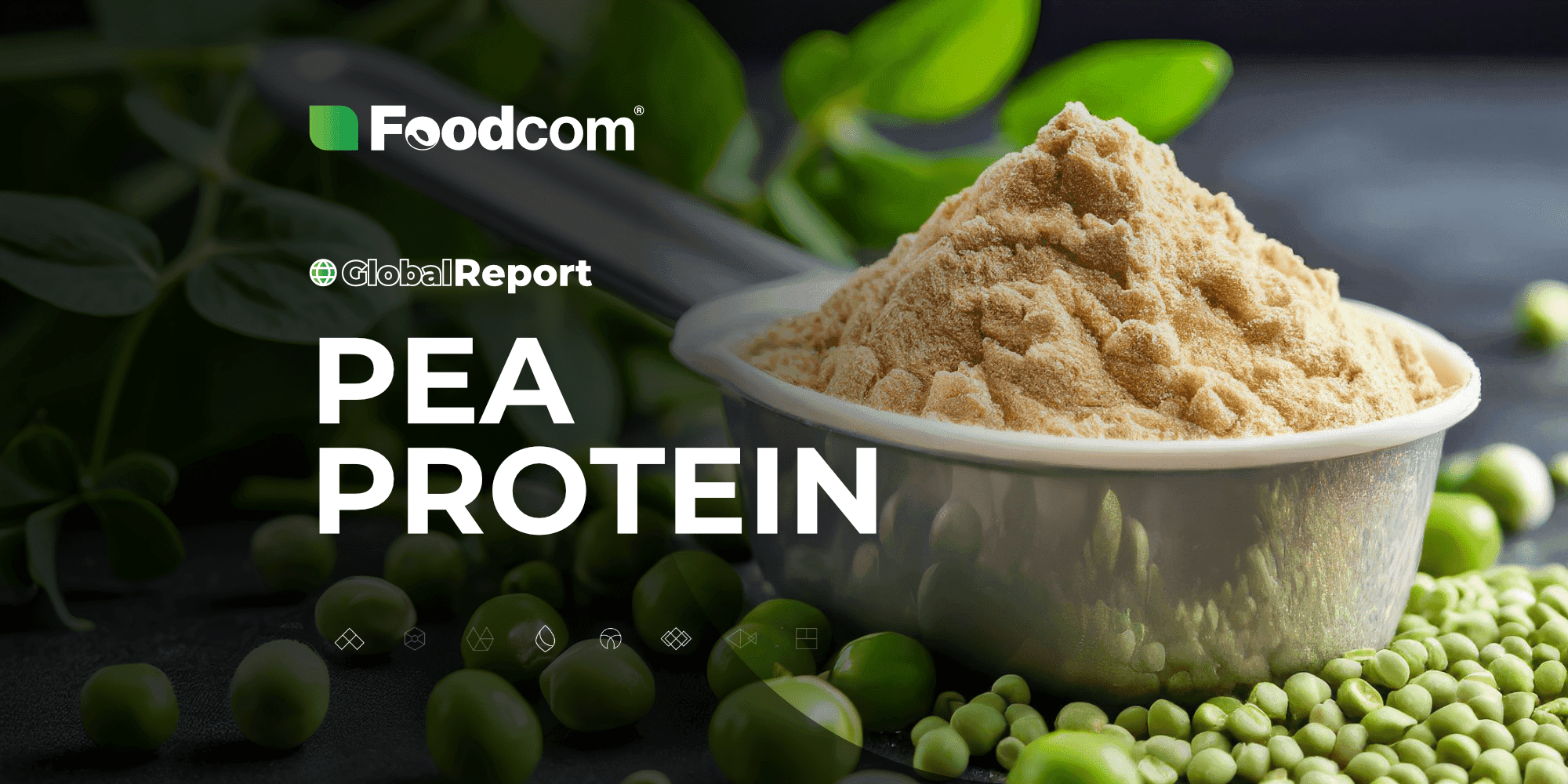
A staggering $200 million family-run pea protein enterprise is rapidly emerging as the primary fuel source for the global demographic heavily reliant on GLP-1 weight-loss medications.
In the high-stakes world of agricultural technology and modern nutrition, the Lorenzen family has quietly built Puris into an undisputed powerhouse. Their high-quality pea protein powders are now the foundational ingredient for countless health food brands scrambling to meet unprecedented consumer demand.
The explosion of weight-loss drugs like Ozempic has created a unique nutritional crisis. Patients experiencing rapid weight loss must aggressively maintain their muscle mass, making clean, highly digestible plant-based proteins like those produced by Puris an absolute dietary necessity rather than a mere lifestyle choice.
Since the 1980s, the Lorenzen family has been at the forefront of agricultural innovation, long before plant-based diets became a mainstream global phenomenon. Their vision was simple yet revolutionary: to harness the nutritional power of the humble yellow pea and transform it into a highly versatile, sustainable protein isolate. Decades of meticulous research and genetic crop breeding have culminated in a product that boasts a neutral taste profile and exceptional solubility.
Today, Puris stands as a $200m (approx. KES 26bn) titan in the AgTech sector. Their proprietary processing facilities are marvels of modern engineering, capable of extracting maximum protein yield while minimising environmental impact. The company's commitment to non-GMO, organic farming practices has endeared them to eco-conscious consumers and massive multinational food conglomerates alike.
The strategic brilliance of Puris lies in its B2B (business-to-business) model. Rather than fighting for shelf space with their own consumer brands, they have positioned themselves as the indispensable supplier to the industry's biggest players. From protein shakes to meat alternatives, the invisible hand of Puris is reshaping the global food supply chain, driving America towards what industry insiders term "protein independence."
The pharmaceutical landscape has been irrevocably altered by the advent of GLP-1 receptor agonists, commonly known by brand names like Ozempic and Wegovy. While these drugs are incredibly effective at suppressing appetite and inducing weight loss, they present a significant physiological challenge: muscle atrophy. Patients eating significantly fewer calories often fail to consume adequate protein, leading to a loss of lean muscle mass alongside body fat.
Medical professionals are increasingly prescribing high-protein diets alongside these medications to mitigate this risk. However, traditional protein sources like whey or heavy meats can be difficult to digest for patients experiencing the gastrointestinal side effects common with GLP-1 drugs. Enter pea protein. Its easily digestible nature, coupled with a complete amino acid profile, makes it the perfect nutritional intervention.
The global surge in demand for pea protein presents a tantalising opportunity for East African agriculture. Kenya's diverse climatic zones, particularly the cooler highlands, are ideally suited for the large-scale cultivation of legumes. By pivoting towards high-value crops like yellow peas, Kenyan farmers could tap into this multi-billion-shilling global supply chain, diversifying away from traditional cash crops like tea and coffee.
Agricultural economists suggest that with the right government incentives and technological investments, Kenya could establish its own processing facilities. This would elevate the country from a mere exporter of raw materials to a key player in the value-added nutritional market. Collaborations with global AgTech firms could facilitate the transfer of crucial seed genetics and processing technology.
Furthermore, promoting legume farming aligns perfectly with sustainable agricultural practices. Peas naturally fix nitrogen in the soil, reducing the need for expensive chemical fertilisers and improving overall soil health. This ecological benefit, combined with the immense economic potential, makes the cultivation of protein-rich crops a strategic imperative for the region's agricultural future.
Financial analysts predict that the market for plant-based proteins will continue its explosive growth trajectory, heavily subsidised by the pharmaceutical weight-loss boom. Companies like Puris are actively expanding their production capacities to keep pace with the insatiable demand from food manufacturers who are reformulating their products to feature "high protein" claims prominently on their packaging.
The intersection of pharmacology and food science is creating entirely new consumer categories. We are witnessing the birth of "medicalised food"—nutrition specifically engineered to support and enhance the effects of modern medical treatments. As long as the Ozempic generation continues to expand, the humble pea will remain an agricultural goldmine.
"We are no longer just feeding people; we are prescribing nutrition to a rapidly evolving global demographic," noted a leading industry analyst.
Keep the conversation in one place—threads here stay linked to the story and in the forums.
Sign in to start a discussion
Start a conversation about this story and keep it linked here.
Other hot threads
E-sports and Gaming Community in Kenya
Active 9 months ago
The Role of Technology in Modern Agriculture (AgriTech)
Active 9 months ago
Popular Recreational Activities Across Counties
Active 9 months ago
Investing in Youth Sports Development Programs
Active 9 months ago