We're loading the full news article for you. This includes the article content, images, author information, and related articles.
It’s no longer just fake news—it’s synthetic reality. From deepfaked Cabinet Secretaries to hate-fueled hashtags like #43against1, a coordinated digital assault is already reshaping Kenya’s political landscape years before the first ballot is cast.

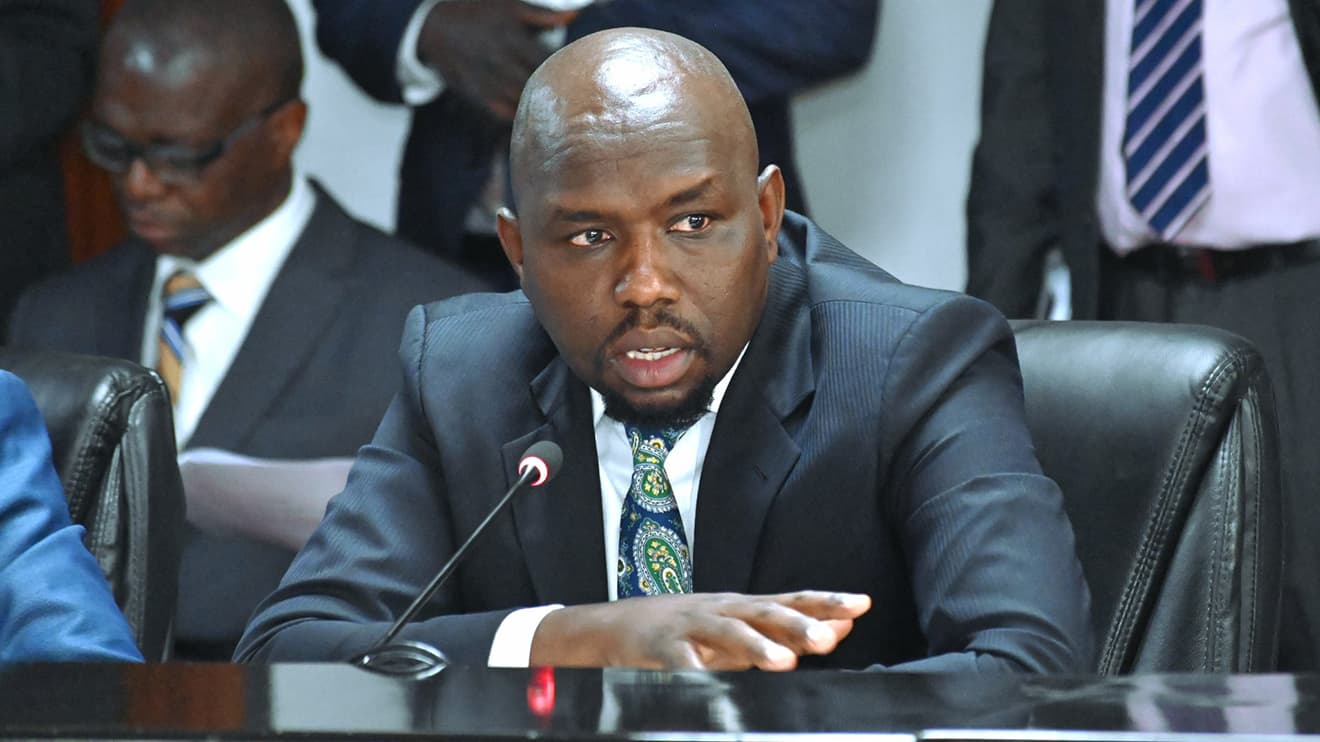
The video seemed damning. There was Interior Cabinet Secretary Kipchumba Murkomen, staring into the camera, admitting he was a "failure" who only coveted luxury watches and announcing his resignation. It spread like wildfire across WhatsApp groups in Eldoret and Nyeri, sparking shock, confusion, and rage. But it never happened.
The clip was a deepfake—a synthetic manipulation generated by artificial intelligence. Yet, by the time fact-checkers debunked it, the emotional damage was done. This wasn't an isolated prank; it was a test run for 2027.
As Kenya hurtles toward the next General Election, the battleground has shifted from the campaign trail to the dark corners of the internet. A months-long investigation by Streamline News reveals a sophisticated, well-funded ecosystem of digital mercenaries weaponizing AI to distort reality, deepen ethnic fissures, and assassinate characters on an industrial scale.
In previous election cycles, disinformation was largely text-based—fake quotes on branded graphics. Today, it is visceral. The "Murkomen confession" and a similar AI-generated video of Communications Authority Director General David Mugonyi defending a media shutdown mark a chilling evolution. These are not just lies; they are alternate realities designed to bypass logic and trigger raw emotion.
"We are seeing the democratization of deception," warns digital rights researcher Hlengiwe Dube. "You no longer need the million-dollar budget of a Cambridge Analytica. With a subscription of KES 2,500 ($20) a month, anyone can create a broadcast-quality deepfake that can destabilize a constituency."
The impact is already being felt at the highest levels. Even the government is not immune; Foreign Affairs Principal Secretary Korir Sing'oei was recently forced to retract a shared video falsely attributed to CNN—proof that even top officials struggle to distinguish truth from algorithmically generated fiction.
While deepfakes target individuals, hashtags are being used to herd communities. Our analysis tracks a disturbing resurgence of ethnic hate speech, now turbocharged by bot networks. In late January 2025, the hashtag #43against1 trended for five days, framing the Kikuyu community as an existential threat to the rest of the nation.
The campaign was not organic. Data shows highly coordinated clusters of accounts—many created on the same dates—amplifying the message simultaneously. The narrative specifically targeted former Deputy President Rigathi Gachagua and his allies, accusing them of isolating the Mt. Kenya region.
"This is 2007 rhetoric packaged for the TikTok generation," says a source within the National Cohesion and Integration Commission (NCIC), speaking on condition of anonymity. "The speed is terrifying. A hate narrative that used to take weeks to spread via vernacular radio now reaches millions in hours."
The digital assault is particularly vicious towards women. The #DorcasBoyfriend campaign, which targeted Dorcas Gachagua, the wife of the former Deputy President, utilized AI-generated video to humiliate her and, by extension, damage her husband's standing as a "family values" leader.
This tactic—sexualized disinformation—is designed to silence women and discourage them from public life. It signals a grim future where political rivalry knows no moral bounds.
As the threat matrix evolves, regulators appear to be fighting a forest fire with a garden hose. The NCIC has come under fire from Parliament, with MPs in November threatening to disband the commission for its inability to curb the rising tide of hate speech.
"We are issuing summons, but the servers are in California and the trolls are anonymous," admitted an NCIC official. While the Ministry of Foreign Affairs has proposed a 'Technology Responsibility Charter' to hold platforms accountable, implementation remains sluggish.
The Independent Electoral and Boundaries Commission (IEBC) is exploring AI for voter verification to clean up the register, but they face a paradox: the same technology that could secure the vote is being used to undermine faith in it.
As 2027 approaches, the question for every Kenyan is no longer just "Who do you trust?" but "What is real?" In this new era of synthetic politics, your eyes and ears are the first things to be deceived.
Keep the conversation in one place—threads here stay linked to the story and in the forums.
Sign in to start a discussion
Start a conversation about this story and keep it linked here.
Other hot threads
E-sports and Gaming Community in Kenya
Active 9 months ago
The Role of Technology in Modern Agriculture (AgriTech)
Active 9 months ago
Popular Recreational Activities Across Counties
Active 9 months ago
Investing in Youth Sports Development Programs
Active 9 months ago
Key figures and persons of interest featured in this article