We're loading the full news article for you. This includes the article content, images, author information, and related articles.
A groundbreaking report reveals a paradox at the heart of Kenya’s financial system: while inclusion numbers look good on paper, fraud and deep-seated mistrust are driving millions back to the cash economy.
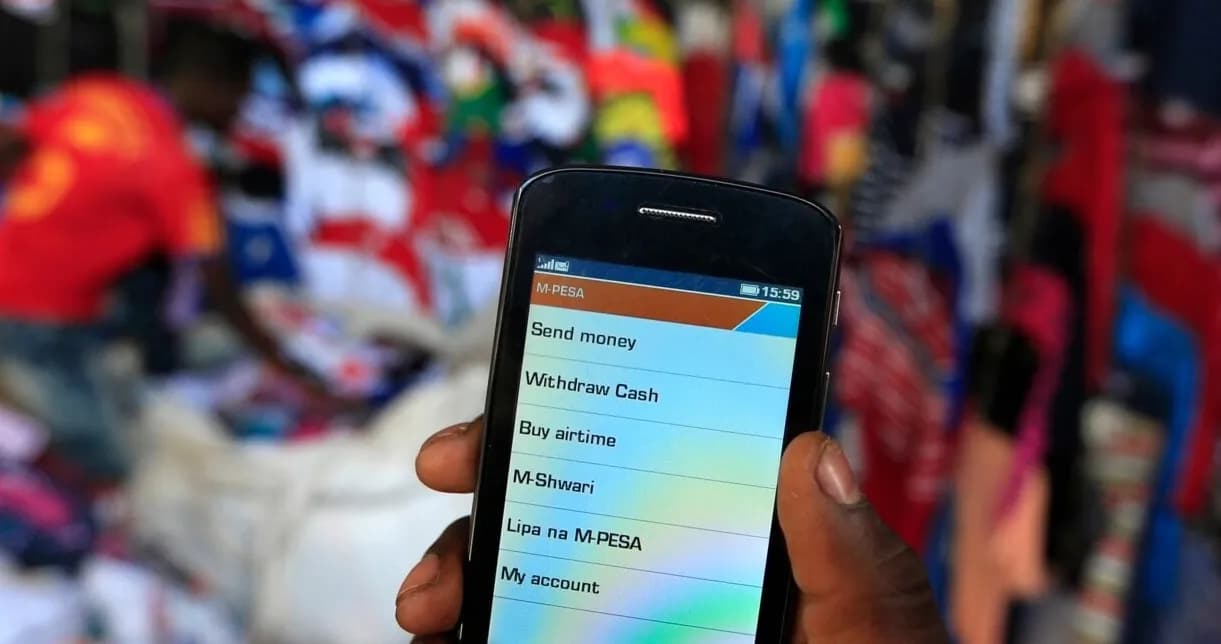
It is a paradox that haunts the corridors of the Central Bank of Kenya: in a nation celebrated globally as the cradle of mobile money, the vast majority of citizens are financially included in name only. A groundbreaking new report has peeled back the layers of Kenya’s celebrated fintech success story to reveal a rotting core of mistrust, fraud, and exclusion.
The report, titled “The Three Billion Person Challenge” and co-authored by the Atlantic Council and digital lender Tala, drops a statistical bombshell: while 84 percent of Kenyan adults now possess a bank or mobile money account, a mere 16 percent are considered "financially healthy." The disparity exposes a hidden crisis where millions of Kenyans have technically entered the formal financial system but are refusing to use it, spooked by a digital ecosystem that feels increasingly predatory.
“Access to credit has improved, but usage has not,” explained Ann Stella Mumbi, General Manager of Tala Kenya, speaking at the report’s launch in Nairobi. “Lack of trust in financial services providers is the critical barrier.”
The data supports her grim assessment. By late 2024, surveys indicated that a staggering four in five Kenyans—80 percent of the population—had experienced some form of financial fraud or scam. This epidemic of digital theft has created a "once bitten, twice shy" generation that uses mobile money for basic transfers but retreats to cash for savings and borrowing.
This disconnect is not merely a consumer protection issue; it is an economic handbrake. When citizens do not trust banks, they do not save in them. When they do not save, banks lack the capital to lend to the private sector. The report argues that the "trust deficit" is directly starving Kenya’s small and medium enterprises (SMEs) of the capital they need to grow.
Furthermore, the reliance on informal borrowing—chamas and shylocks—means that credit data is not captured, keeping interest rates artificially high for everyone. As the report concludes, unless the government and private sector can "rebuild the bridge of trust," Kenya’s financial inclusion miracle will remain a hollow victory.
The report advocates for the use of "Inclusion Turbochargers"—specifically Artificial Intelligence (AI) and Digital Public Infrastructure (DPI)—to create alternative credit scores that do not rely on traditional banking history. However, without a crackdown on fraud, these technological solutions may simply be building a faster car on a broken road.
“We must provide customers with choice, awareness, and control,” Mumbi urged. Until then, for 4.9 million Kenyans, the safest place for their money remains under the mattress.
Keep the conversation in one place—threads here stay linked to the story and in the forums.
Sign in to start a discussion
Start a conversation about this story and keep it linked here.
Other hot threads
E-sports and Gaming Community in Kenya
Active 9 months ago
The Role of Technology in Modern Agriculture (AgriTech)
Active 9 months ago
Popular Recreational Activities Across Counties
Active 9 months ago
Investing in Youth Sports Development Programs
Active 9 months ago