We're loading the full news article for you. This includes the article content, images, author information, and related articles.
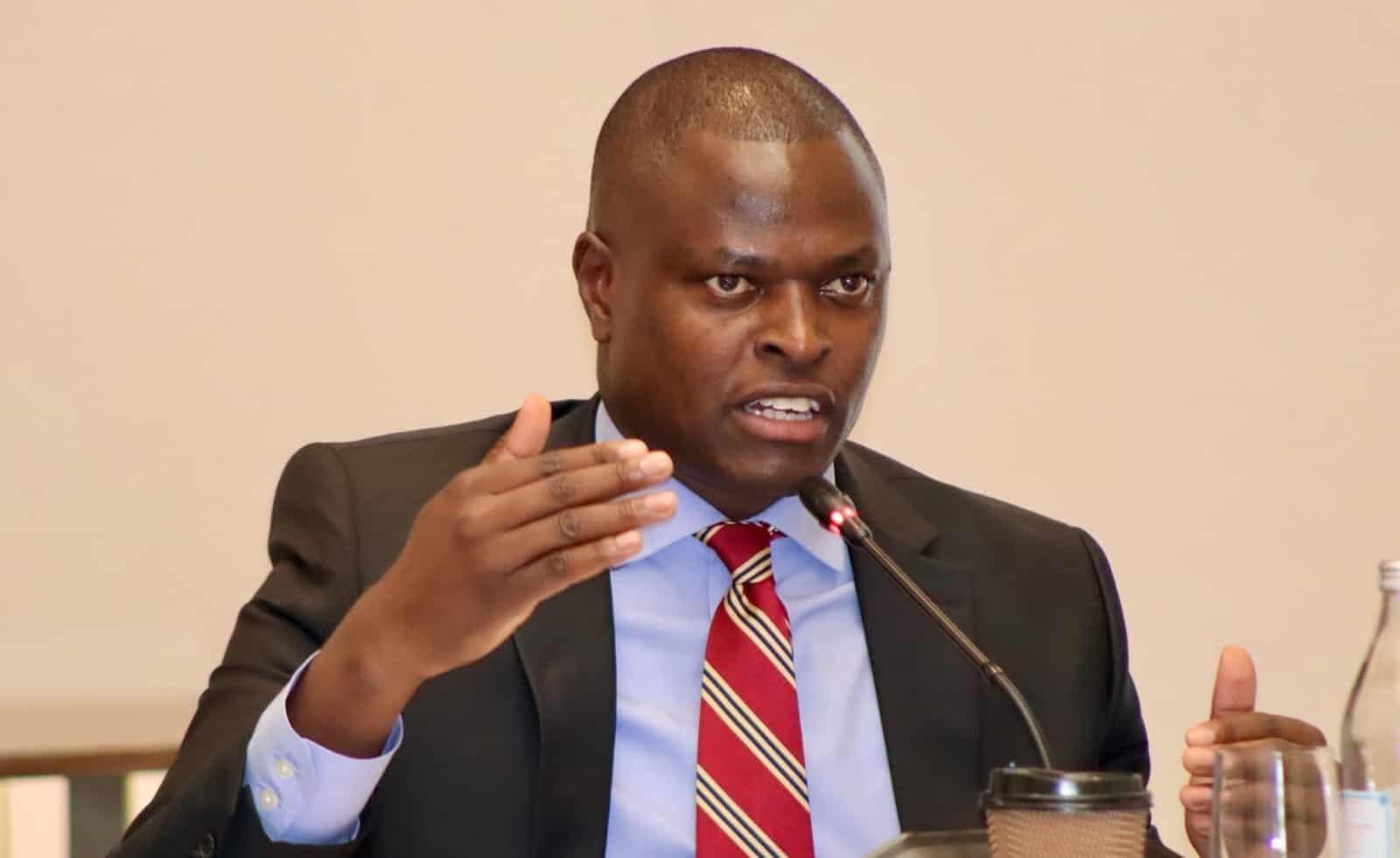
Kiharu MP Ndindi Nyoro slashes day school fees to Sh500 per term using NG-CDF, challenging other leaders to replicate the model amidst a national cost-of-education crisis.

In a country where the cost of education is quietly bankrupting households, Kiharu Constituency has become an uncomfortable anomaly.
While parents across Kenya struggle to raise tens of thousands of shillings annually to keep children in day secondary schools, Kiharu MP Ndindi Nyoro has flattened fees to a uniform KES 500 per term — a move that has electrified national debate and forced hard questions about how education is financed.
The initiative, branded “Kiharu Masomo Bora,” is not symbolic. It is operational, funded, and measurable.
Using the National Government Constituency Development Fund (NG-CDF), Nyoro’s office subsidises the real costs that typically push school fees upward:
Tuition shortfalls
Lunch programmes
Operational gaps that schools usually pass on to parents
“No child in Kiharu should stay home because of lunch money,” Nyoro has said publicly — a deceptively simple philosophy that cuts against the lived reality in most constituencies.
Crucially, the programme does not waive fees selectively. Every day scholar pays the same flat rate. No vetting. No political loyalty tests.
Beyond affordability, the programme has embedded a school feeding model that sources food from local farmers, injecting predictable demand into the constituency’s rural economy.
The result is a rare policy loop:
Parents save money
Farmers gain stable markets
Schools stabilise enrolment
Students remain in class consistently
Education policy, agriculture, and social protection intersect — without a new law, task force, or donor conference.
The outcomes are already visible:
Enrolment has surged, particularly among lower-income households
Attendance has improved, as lunch insecurity disappears
Academic performance has risen, according to school-level exam trends
For families accustomed to choosing between fees and food, the shift is transformative.
A parent in Murang’a paying KES 1,500 a year now exists in a different economic universe from one in neighbouring Kiambu paying KES 30,000 or more for a comparable public day school.
Critics argue the programme is politically strategic.
“It is sustainable as long as he is MP,” notes political analyst Herman Manyora. “But what happens next? We need systemic change, not constituency-level charity.”
The criticism is not trivial. NG-CDF-driven models are vulnerable to leadership turnover. Without national policy alignment, gains can evaporate overnight.
Yet that critique raises an uncomfortable counter-question:
If the law allows this level of intervention, why aren’t others doing it?
Nyoro’s experiment has unintentionally become a stress test for Kenya’s political class.
The funding mechanism already exists
The legal framework already exists
The crisis is universally acknowledged
What differs is priority.
In exposing what is possible within current structures, Kiharu has punctured the argument that education affordability requires constitutional amendments or donor bailouts. Sometimes, it requires political will and budget discipline.
Whether Nyoro’s motives are altruistic, strategic, or both is almost secondary. What matters is that the model works — and its success makes inaction elsewhere harder to defend.
If one constituency can do this deliberately, transparently, and at scale, then the national education crisis is not merely financial.
It is political.
And in that sense, KES 500 school fees may be the most disruptive policy idea in Kenyan politics right now.
Keep the conversation in one place—threads here stay linked to the story and in the forums.
Sign in to start a discussion
Start a conversation about this story and keep it linked here.
Other hot threads
E-sports and Gaming Community in Kenya
Active 9 months ago
The Role of Technology in Modern Agriculture (AgriTech)
Active 9 months ago
Popular Recreational Activities Across Counties
Active 9 months ago
Investing in Youth Sports Development Programs
Active 9 months ago
Key figures and persons of interest featured in this article