We're loading the full news article for you. This includes the article content, images, author information, and related articles.
Nairobi County Chief Officer Geoffrey Mosiria’s rescue of a street child highlights the complex, often heartbreaking, cycle of rehabilitation and relapse on the city's streets.
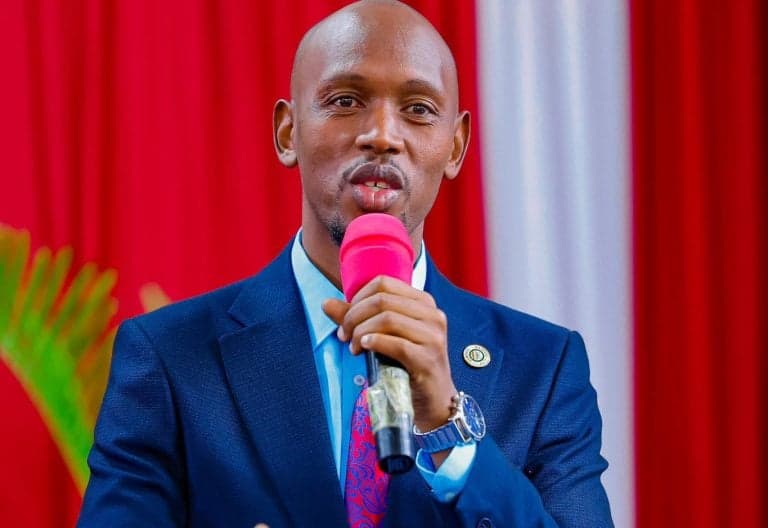
A Nairobi official’s celebrated rescue of a young boy from the streets has taken a painful turn, revealing the deep-seated challenges of saving children from a life of destitution. The boy, identified as Mike, fled a Kangemi rehabilitation centre, choosing the harsh ‘freedom’ of the streets over a safe bed and schooling, a story that lays bare the complexities of rehabilitation.
The case of Mike, who was personally rescued by Nairobi County’s Chief Officer for Citizen Engagement and Customer Service, Geoffrey Mosiria, serves as a stark reminder of a city grappling with a vast and persistent crisis. For many Kenyans, the sight of children on the streets is a daily reality, but the story of one child’s return to that life forces a difficult question: Why does help sometimes fail?
Mr. Mosiria first encountered Mike in December 2024 on Kirinyaga Road, a boy who had sought refuge on the streets after his mother’s battle with alcoholism and subsequent death left him orphaned. The officer’s intervention was swift—providing new clothes and enrolling Mike at Great Vision School in Thogotho. However, after being placed in a children's home during the April school holidays, Mike vanished.
He was later found on the streets of Thika town. According to Mosiria, the boy’s flight was triggered by a “disparaging conversation” with visiting government officials that left him feeling “emotionally undermined.” This single interaction was enough to unravel months of progress, illustrating the fragility of a traumatized child’s trust.
Mike's story is a microcosm of a much larger issue. Estimates suggest that Nairobi is home to over 60,000 street children, part of a nationwide population that could be as high as 300,000. These children are pushed into the streets by a potent mix of factors:
Efforts to combat this are extensive but face a difficult battle. Organizations like the Undugu Society of Kenya and Kwetu Home of Peace, alongside government-run facilities, work to rescue, rehabilitate, and reintegrate these children. Yet, as Mosiria lamented, many who receive support end up returning to the streets, drawn by a perceived autonomy or pushed away by lingering trauma. The process is not just about removing a child from the street, but as one support group notes, “taking the tough impact of the street-life out of the child.”
While officials like Mosiria continue their efforts, even facing criticism for publicizing children's images, the cycle of rescue and relapse points to a need for deeper, more systemic solutions. Experts and social workers emphasize that rehabilitation must go beyond food and shelter to include intensive psychosocial support and family empowerment to address the root causes.
Mr. Mosiria eventually found Mike again after a two-week search and has committed to reintegrating him into a children's home. The boy’s journey back from the brink is a powerful, albeit precarious, symbol of hope. It underscores a difficult truth: for every child brought into the fold, the pull of the streets remains a constant, formidable force.
Keep the conversation in one place—threads here stay linked to the story and in the forums.
Sign in to start a discussion
Start a conversation about this story and keep it linked here.
Other hot threads
E-sports and Gaming Community in Kenya
Active 9 months ago
The Role of Technology in Modern Agriculture (AgriTech)
Active 9 months ago
Popular Recreational Activities Across Counties
Active 9 months ago
Investing in Youth Sports Development Programs
Active 9 months ago