We're loading the full news article for you. This includes the article content, images, author information, and related articles.
Scientists conduct a controversial geoengineering experiment in the Gulf of Maine, dumping chemicals to lower ocean acidity and boost carbon absorption, sparking a debate on "geo-hacking."
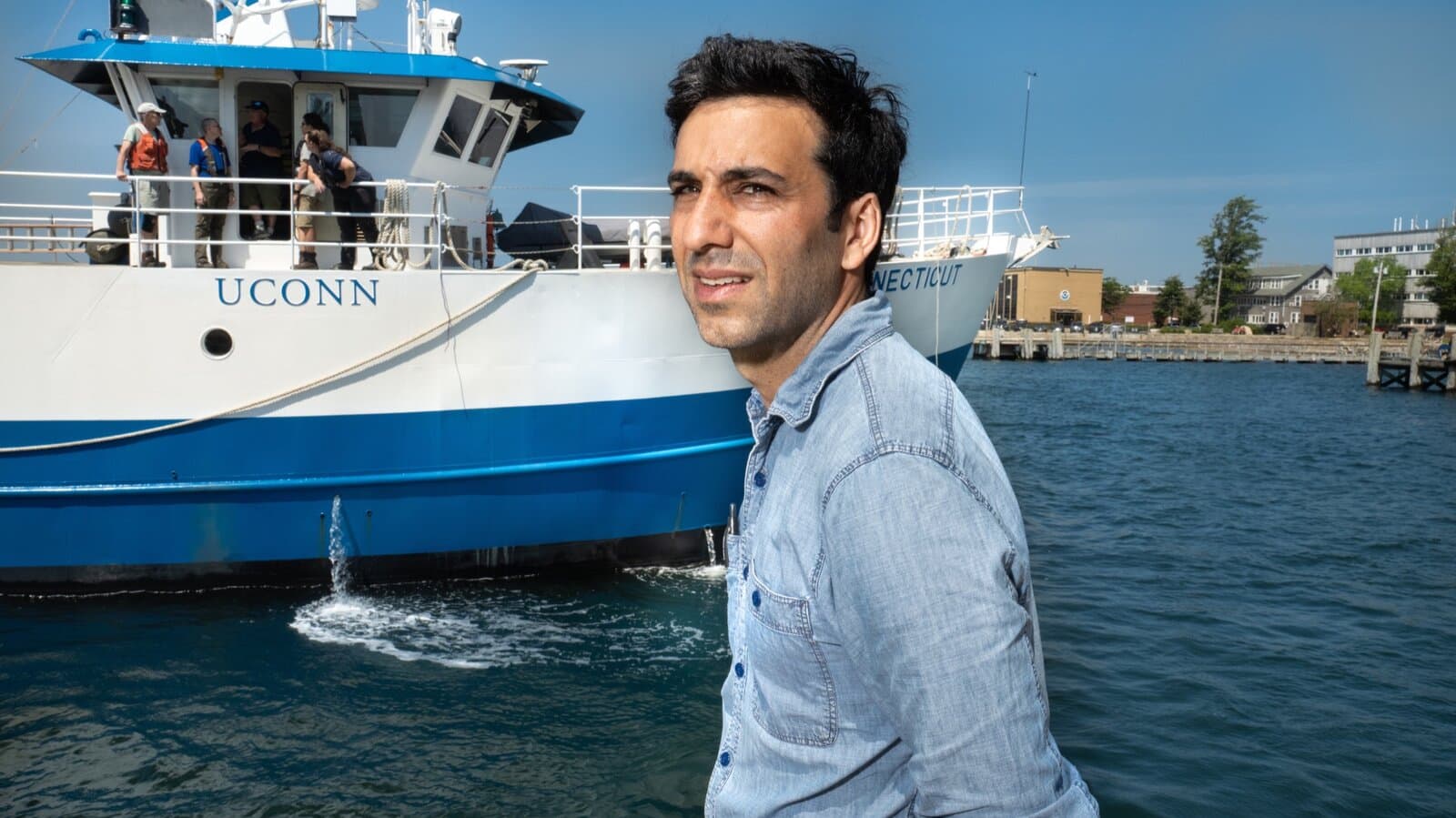
The waters of the Gulf of Maine turned blood-red this week, but it wasn't a shark attack. It was science. In a controversial experiment that walks the fine line between genius and hubris, oceanographers from Woods Hole Oceanographic Institution dumped 16,000 gallons of sodium hydroxide—and red dye—into the sea to test a radical theory: can we cure climate change by giving the ocean an antacid?
The concept, known as Ocean Alkalinity Enhancement (OAE), aims to reverse the acidification of the oceans caused by carbon absorption. By raising the pH of the water, scientists believe they can "unlock" the ocean's ability to absorb even more CO2 from the atmosphere, effectively turning the high seas into a massive carbon sponge.
"Think of it as giving the ocean a Tums," explains lead researcher Adam Subhas. "The ocean has absorbed one-third of our carbon emissions, but it is getting full. We are trying to clear space for more." The red dye allowed the team to track the dispersal of the chemical plume via satellite and drones.
The experiment highlights the desperation of the climate fight in 2026. With the 2.0°C warming limit fast approaching, reducing emissions is no longer enough. Humanity is now forced to engineer the planet's life support systems. The red stain in the Atlantic is a warning: we have moved from conservation to intervention.
Keep the conversation in one place—threads here stay linked to the story and in the forums.
Sign in to start a discussion
Start a conversation about this story and keep it linked here.
Other hot threads
E-sports and Gaming Community in Kenya
Active 9 months ago
The Role of Technology in Modern Agriculture (AgriTech)
Active 9 months ago
Popular Recreational Activities Across Counties
Active 9 months ago
Investing in Youth Sports Development Programs
Active 9 months ago