We're loading the full news article for you. This includes the article content, images, author information, and related articles.
UK prosecutors reveal how ex-Nigerian Oil Minister Diezani Alison-Madueke spent £2 million at Harrods and £40,000 on garden decor, allegedly using bribe money from oil contracts.
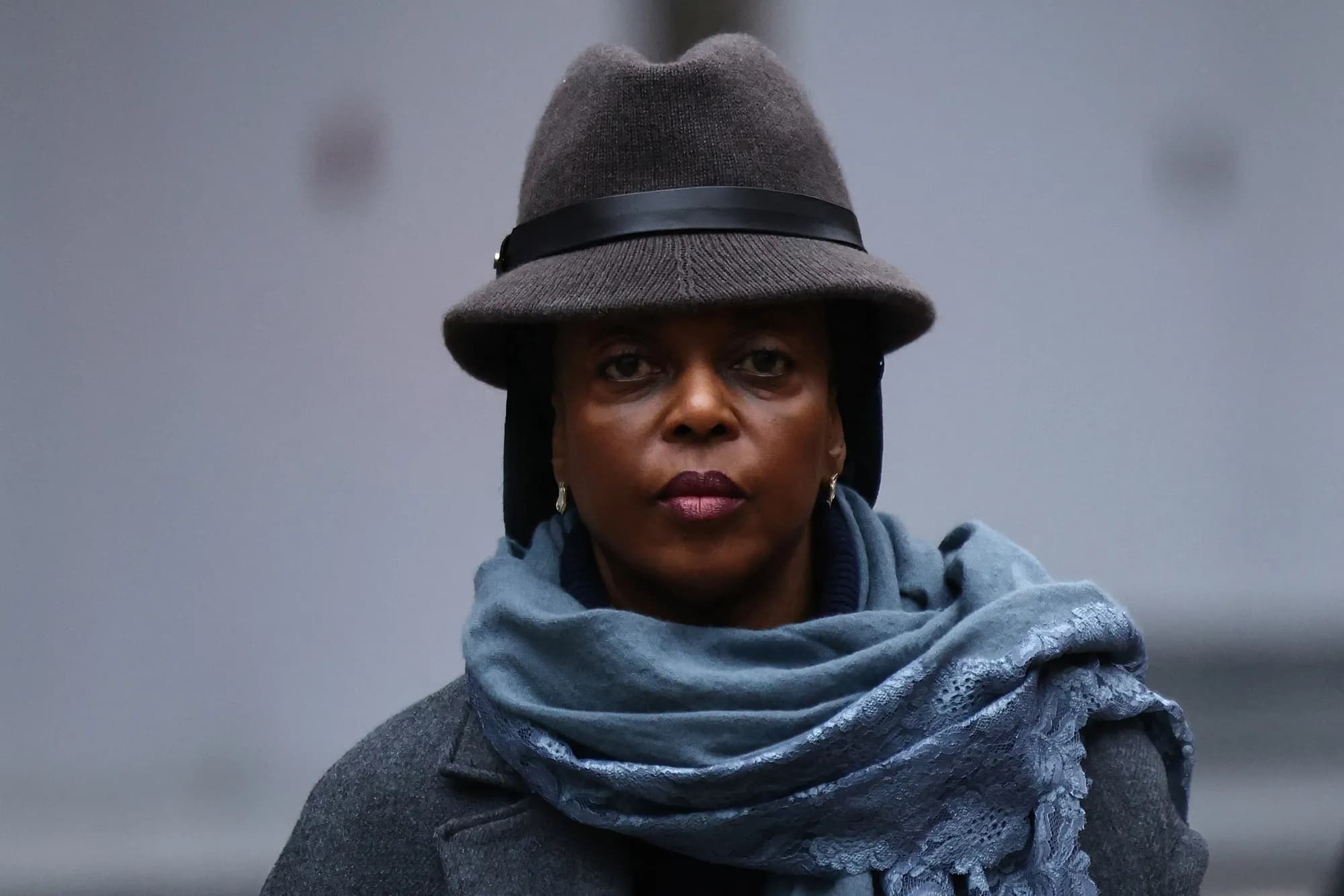
The sheer scale of the alleged plunder orchestrated by Nigeria’s former Petroleum Minister, Diezani Alison-Madueke, has been laid bare in a London courtroom, where prosecutors detailed a staggering £2 million (KES 352 million) shopping spree at the luxury department store Harrods—all allegedly funded by bribes from oil tycoons.
As the first female president of OPEC and the most powerful woman in the Goodluck Jonathan administration, Alison-Madueke was the face of African oil. Today, she is the face of African kleptocracy. Standing in the dock at Southwark Crown Court, the 65-year-old listened as the Crown Prosecution Service (CPS) peeled back the curtain on a life of "extreme luxury" that stood in grotesque contrast to the poverty of the Niger Delta.
Prosecutor Mark Heywood KC painted a picture of a minister who treated the state treasury as a personal ATM. The court heard that Diezani accepted bribes from oil companies, specifically Atlantic Energy and SPOG Petrochemical, in exchange for awarding lucrative multi-billion dollar oil and gas contracts.
The "benefits" she allegedly received were not subtle. The laundry list of loot presented to the jury included:
"She was a minister who expected to be looked after," Heywood told the jury. "She accepted financial and other advantages from those who were doing lucrative business with the entities she controlled." The prosecution argues that this was a classic "pay-to-play" scheme. Diezani didn’t just accept gifts; she demanded a lifestyle upgrade that her official salary could never support.
Diezani, who has been on bail since her initial arrest in 2015, denies the charges. Her defense team argues that she is a victim of political witch-hunts and that the gifts were tokens of "friendship" rather than bribes. However, the documentation—receipts, flight manifests, and bank transfers—presents a formidable wall of evidence.
For Nigerians watching from home, the trial is a painful reminder of the "lost decade." While Diezani was allegedly buying £40,000 Christmas trees, the refineries she oversaw were collapsing, and fuel scarcity was crippling the economy. The money spent at Harrods could have built schools or hospitals in Bayelsa. Instead, it bought handbags.
The trial continues, but the verdict in the court of public opinion has already been delivered: this was not governance; it was looting on an industrial scale.
Keep the conversation in one place—threads here stay linked to the story and in the forums.
Sign in to start a discussion
Start a conversation about this story and keep it linked here.
Other hot threads
E-sports and Gaming Community in Kenya
Active 9 months ago
The Role of Technology in Modern Agriculture (AgriTech)
Active 9 months ago
Popular Recreational Activities Across Counties
Active 9 months ago
Investing in Youth Sports Development Programs
Active 9 months ago