We're loading the full news article for you. This includes the article content, images, author information, and related articles.
A BBC investigation exposes a "parcels first" policy at Britain's postal giant, leaving thousands of Kenyans in the UK waiting for vital visas and NHS letters.
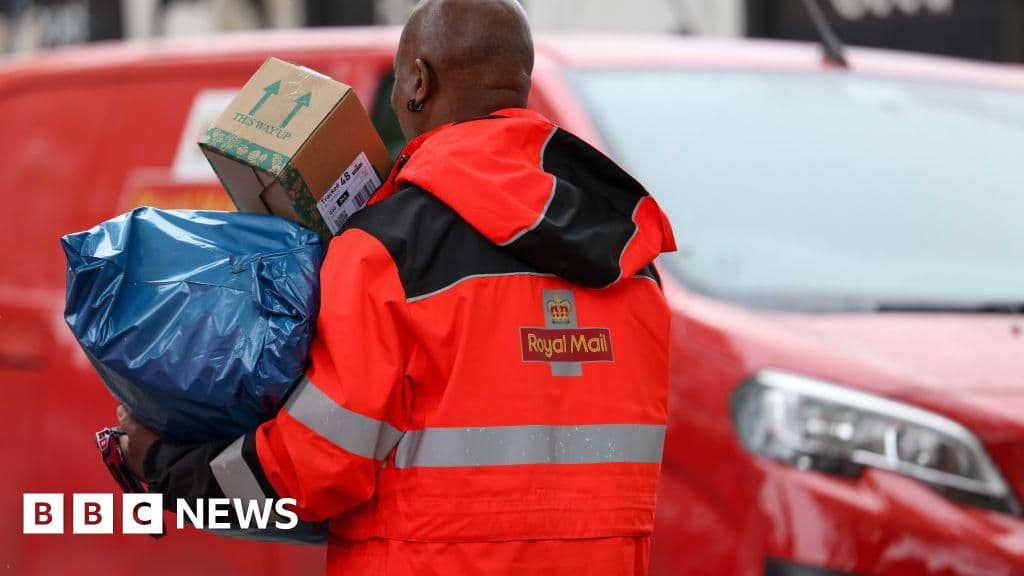
A BBC investigation exposes a "parcels first" policy at Britain's postal giant, leaving thousands of Kenyans in the UK waiting for vital visas and NHS letters.
For the estimated 160,000 Kenyans living in the United Kingdom, the morning post is not merely a routine; it is a lifeline. It carries the biometric residence permits required for employment, the NHS appointment letters for urgent surgeries, and the bank statements needed to renew visas. However, this lifeline is fraying. A forensic investigation has confirmed that Royal Mail, the 500-year-old institution entrusted with the Crown's mail, is systematically prioritizing profitable parcels over essential letters, plunging the diaspora into a logistical nightmare.
The revelation, brought to light by a BBC Panorama investigation and corroborated by whistleblowers, paints a picture of a service at breaking point. At delivery depots from London to Leeds, sorting racks are groaning under the weight of undelivered letters—some dating back weeks—while staff are ordered to clear the decks for tracked parcels. The logic is brutally commercial: parcels compete with Amazon and DPD; letters do not. But for a Kenyan nurse in East London waiting for her pin code to access her salary, or a student in Birmingham waiting for a visa extension, this corporate strategy is a personal catastrophe.
The operational directive, described by insiders as the "Parcels First" doctrine, has effectively created a two-tier postal system. While Royal Mail management publicly denies the policy, citing "seasonal pressures" and "staff sickness," the evidence on the ground suggests a structural shift. Whistleblowers have leaked images of "frames"—the sorting slots for individual addresses—left uncleared for days. In some depots, managers reportedly instruct staff to leave letters behind if they cannot complete their rounds, prioritizing the heavier, higher-margin parcels that drive the company's revenue.
The Business and Trade Committee of MPs has now intervened, giving Royal Mail executives a two-week ultimatum to explain the "chaos." But for many, the damage is already done. The delay in letter delivery is not just an inconvenience; it is a denial of service. Critical medical appointments are being missed because the notification letters arrive after the scheduled date. Legal deadlines are lapsing. The sanctity of the "Universal Service Obligation"—the legal requirement to deliver letters six days a week—appears to have been sacrificed at the altar of e-commerce.
For the Kenyan diaspora, the stakes are disproportionately high. The reliance on physical documentation for immigration and banking remains heavy. Unlike domestic UK citizens who may have digital alternatives, foreign nationals often require physical proof of address or identity delivered by secure mail. A delayed biometric card can mean a freeze on a bank account or the inability to travel back to Nairobi for a family emergency.
The crisis at Royal Mail is symptomatic of a broader trend of "managed decline" in public utilities, but the specific targeting of letters strikes at the heart of civic infrastructure. The Communication Workers Union (CWU) has warned that the service is being hollowed out, with postal workers forced to choose between obeying management orders and serving their communities. For the Kenyan community, which contributes significantly to the UK's healthcare and transport sectors, the message is stark: in the new economy, your essential documents matter less than a next-day delivery of consumer goods.
As the two-week deadline for Royal Mail's response ticks down, the question remains: will the service return to its mandate, or is the era of reliable letter delivery over? For now, the advice to the diaspora is clear: if it matters, do not post it. Courier it. The Royal Mail stamp, once a guarantee, is now a gamble.
Keep the conversation in one place—threads here stay linked to the story and in the forums.
Sign in to start a discussion
Start a conversation about this story and keep it linked here.
Other hot threads
E-sports and Gaming Community in Kenya
Active 9 months ago
The Role of Technology in Modern Agriculture (AgriTech)
Active 9 months ago
Popular Recreational Activities Across Counties
Active 9 months ago
Investing in Youth Sports Development Programs
Active 9 months ago