We're loading the full news article for you. This includes the article content, images, author information, and related articles.
Scientist Mark Miodownik exposes the terrifying ubiquity of PFAS "forever chemicals"—found in everything from pans to blood—and their indestructible threat to human health.
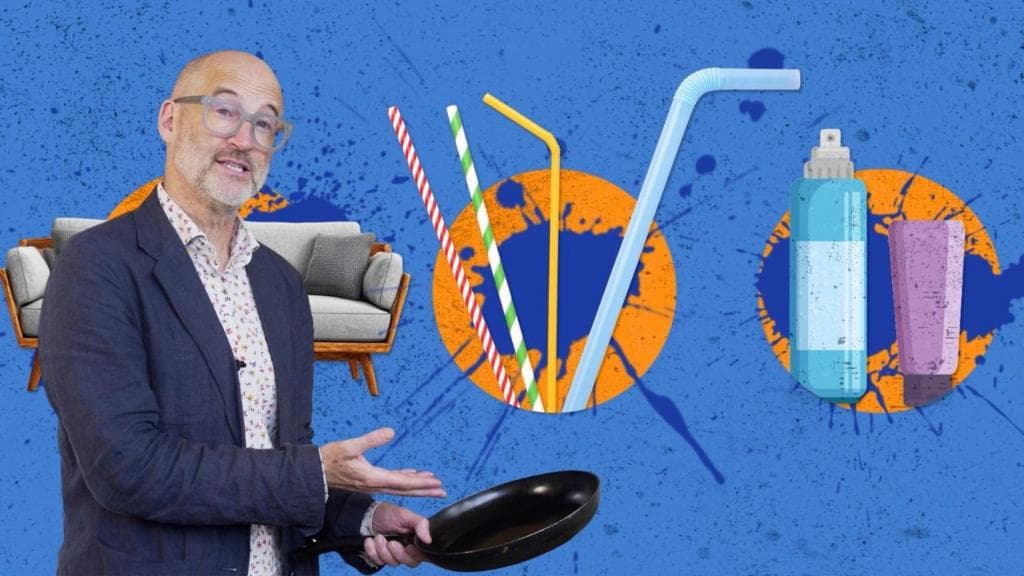
They are in your raincoat, your non-stick frying pan, your makeup, and—terrifyingly—your blood. "Forever chemicals" (PFAS) are the invisible invaders of the modern world, a synthetic plague that refuses to die. Scientist Mark Miodownik has peeled back the plastic layer of our convenience culture to reveal a toxic legacy we may never escape.
We are living in a chemical experiment with no control group. PFAS (per- and polyfluoroalkyl substances) are engineered to resist heat, water, and oil, making them incredibly useful but biologically indestructible. They don't break down. They accumulate. In the soil, in the water, and in us. The "So What?" is a public health ticking time bomb: these chemicals are linked to cancer, liver damage, and fertility issues, yet we continue to manufacture and consume them by the ton.
Miodownik’s investigation for the BBC highlights the ubiquity of these substances. You cook your eggs on them in the morning; you wear them to stay dry in the rain. They are the silent partners in our daily lives. But the cost of this convenience is biological contamination. Studies have found PFAS in the blood of 99% of people tested. We are all carriers.
The "forever" part of the name is not hyperbole. The carbon-fluorine bond is one of the strongest in nature. Once created, it is almost impossible to destroy. We are filling our planet with molecules that will outlast our civilization.
The Royal Society and experts like Miodownik are sounding the alarm. This is not just about banning a few products; it requires a fundamental rethink of chemistry and consumption. We have traded long-term health for short-term convenience.
As you scrub your easy-clean pan tonight, remember: that slick surface is a chemical that will likely outlive your great-grandchildren. The question is no longer if we are contaminated, but how badly.
Keep the conversation in one place—threads here stay linked to the story and in the forums.
Other hot threads
E-sports and Gaming Community in Kenya
Active 8 months ago
The Role of Technology in Modern Agriculture (AgriTech)
Active 8 months ago
Popular Recreational Activities Across Counties
Active 8 months ago
Investing in Youth Sports Development Programs
Active 8 months ago