We're loading the full news article for you. This includes the article content, images, author information, and related articles.
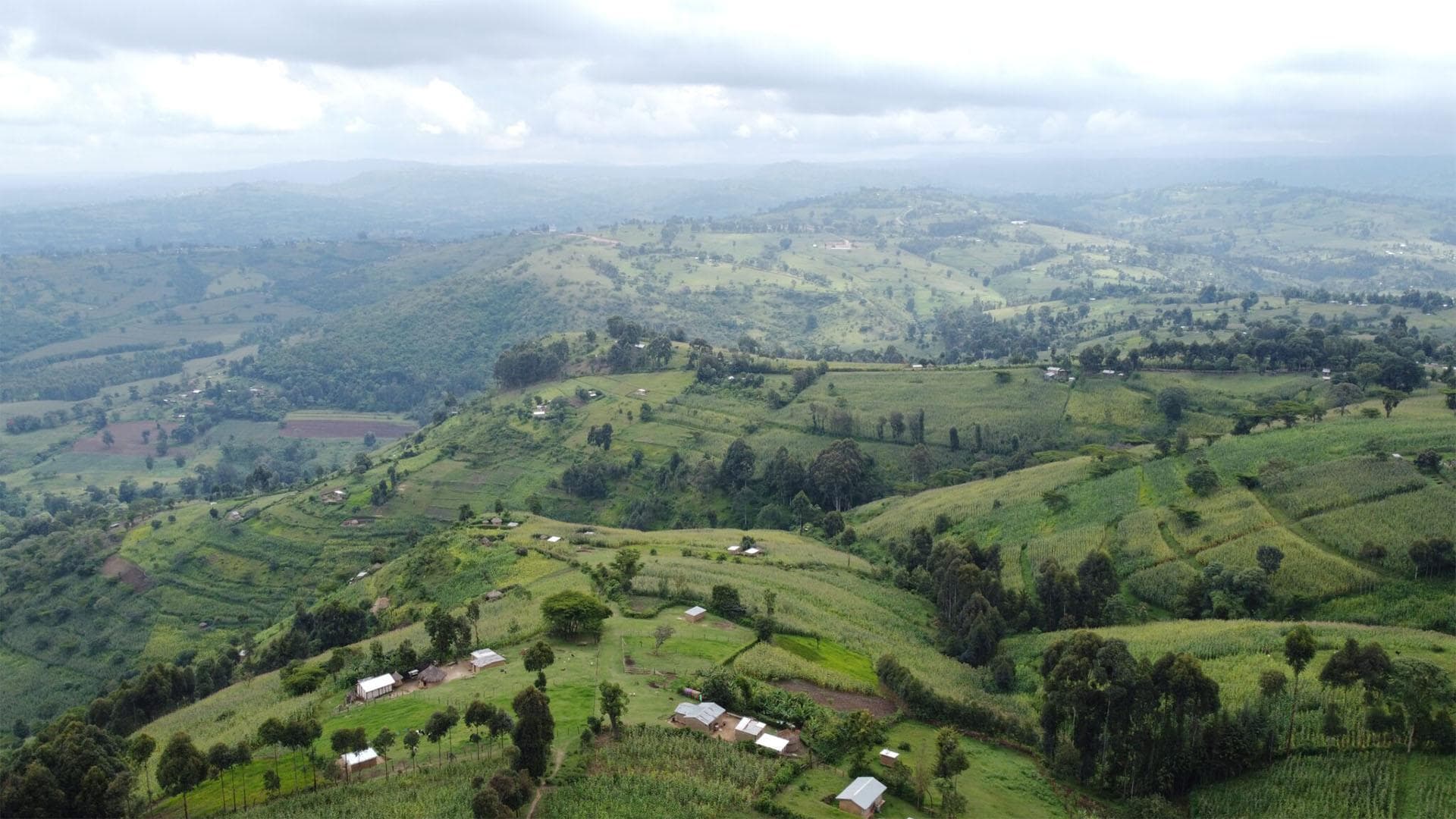
Mamlo Foods is transforming farming in Western Kenya by deploying solar-powered micro-factories that allow farmers to process groundnuts locally and retain value.
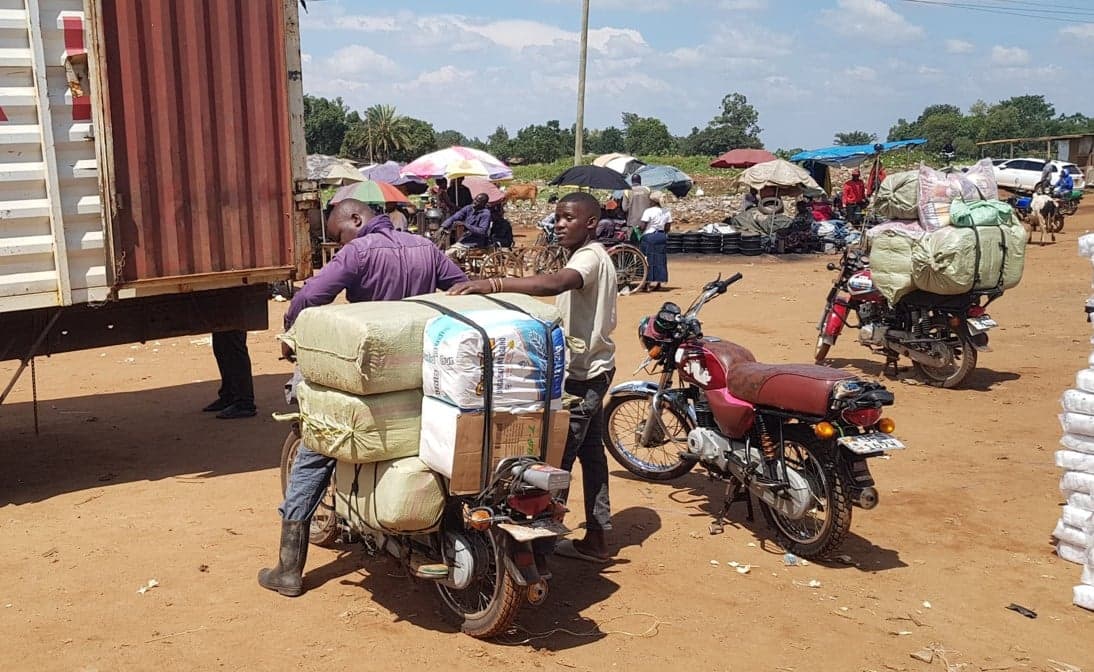
In the red soils of Busia, a solar-powered revolution is turning subsistence farmers into industrialists, one peanut at a time.
For decades, the story of the Western Kenya farmer has been one of hard labour and low returns. They plant, they weed, they harvest, and then they sell their raw produce to middlemen for a pittance, only to buy back finished goods at a premium. But in Amagoro, Busia County, the script is being rewritten. Mamlo Foods, a pioneering social enterprise, has deployed "micro-factories"—solar-powered, containerized processing units—that are bringing the industrial revolution to the village level.
Founded by Irene Etyang, a food scientist who grew up watching her community struggle, Mamlo Foods is not just buying groundnuts; they are building an ecosystem. "I watched women do everything right and still struggle," Etyang says. "The problem was never effort. The system was designed so that value was created elsewhere. We are bringing that value home."
The genius of the Mamlo model lies in its simplicity and scalability. Instead of a massive, centralized factory in Nairobi, they place small, efficient processing units directly in the farming communities. These units run on solar power, making them immune to the vagaries of the national grid.
The impact is palpable. By processing the crop locally, Mamlo Foods can offer farmers significantly higher prices than the exploitative brokers. Moreover, the community retains the "by-products" of processing, such as shells for fuel or cake for animal feed. "Farmers are not poor because they lack productivity," Etyang argues. "They are poor because they lack ownership over value."
Mamlo's success in Busia is attracting attention as a potential template for rural development across the continent. By decentralizing industrialization, they are proving that you don't need a mega-city to create a mega-brand. In Amagoro, the smell of roasting peanuts is no longer just the smell of a snack; it is the scent of economic independence.
Keep the conversation in one place—threads here stay linked to the story and in the forums.
Sign in to start a discussion
Start a conversation about this story and keep it linked here.
Other hot threads
E-sports and Gaming Community in Kenya
Active 9 months ago
The Role of Technology in Modern Agriculture (AgriTech)
Active 9 months ago
Popular Recreational Activities Across Counties
Active 9 months ago
Investing in Youth Sports Development Programs
Active 9 months ago