We're loading the full news article for you. This includes the article content, images, author information, and related articles.
The skies are opening up over Kenya's breadbasket, but the silos remain alarmingly quiet. For the farmers of the Rift and Western, the government's promises are not enough to plant a crop.
Standfirst: The skies are opening up over Kenya's breadbasket, but the silos remain alarmingly quiet. For the farmers of the Rift and Western, the government's promises are not enough to plant a crop.
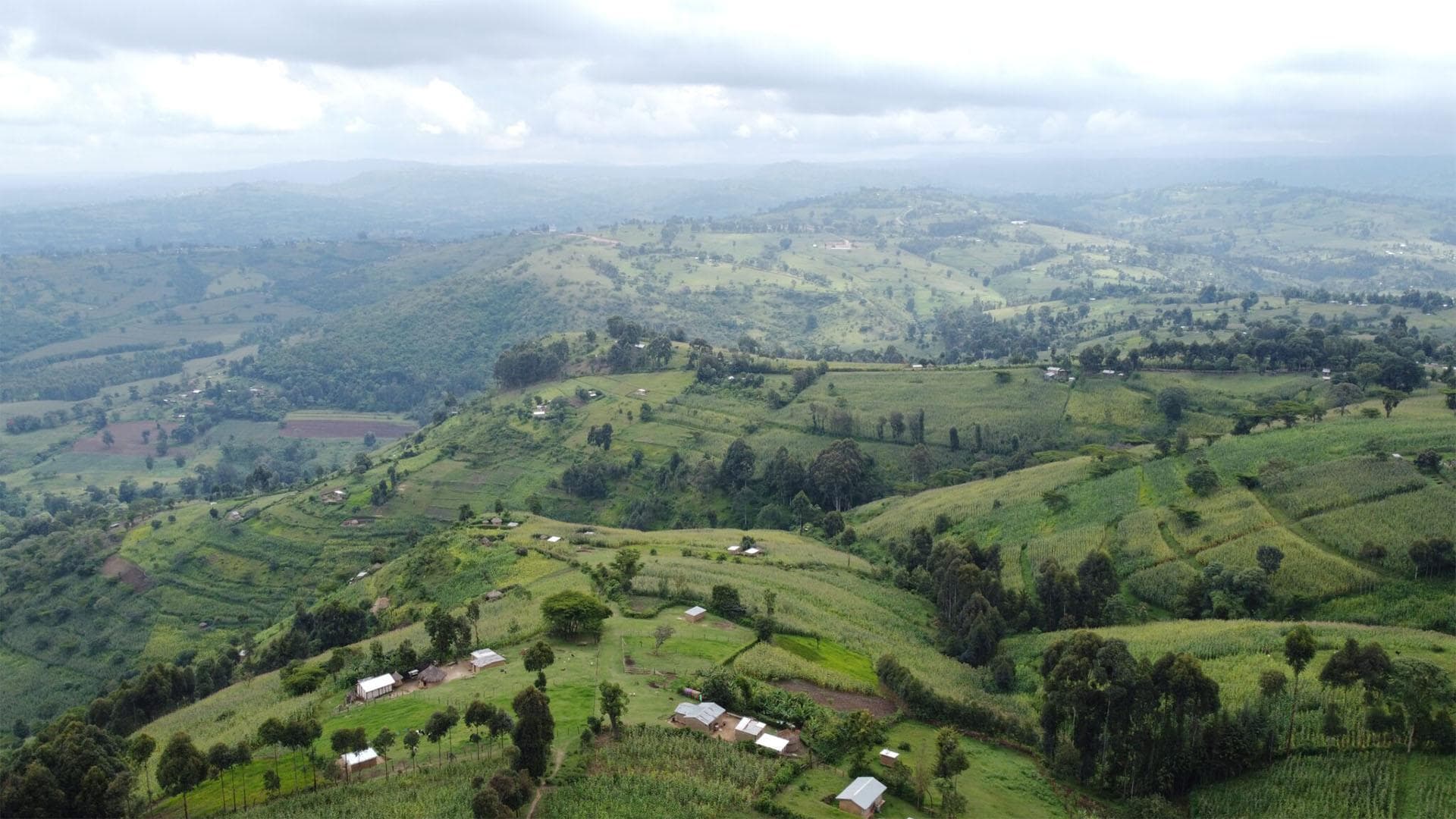
A palpable anxiety has settled over the rolling hills of Uasin Gishu and the fertile plains of Trans Nzoia.The long rains—the lifeblood of Kenya's agricultural calendar—are imminent. The land has been harrowed, the furrows are ready, but the most critical ingredient is missing: fertilizer. Farmers in the North Rift and Western Kenya are sounding the alarm, warning that delays in the distribution of subsidized fertilizer could spell disaster for the country's food security in 2026.
The Ministry of Agriculture boasts of impressive statistics, claiming that over 25 million bags have been distributed since 2022 at a cost exceeding KSh 52 billion. Yet, for the small-scale farmer in Bungoma standing in a queue at an empty National Cereals and Produce Board (NCPB) depot, these numbers are meaningless. "We cannot plant statistics," says John Teeka, a maize farmer in Narok. "We need bags in the store, today."
Agriculture is a game of timing. Planting even two weeks late can result in a yield reduction of up to 30%. With the cost of production already sky-high due to fuel prices, farmers cannot afford a poor harvest. The subsidy program, designed to lower the cost of a bag to KSh 2,500, is the only thing keeping many households from abandoning maize farming altogether.
The situation highlights a chronic disconnect between policy in Nairobi and practice in the mashinani. While the top-level directives demand efficiency, the supply chain is riddled with inefficiencies. Farmers describe a chaotic scene of "last-minute rushes," where corrupt officials allegedly demand bribes to release subsidized stocks, or where "priority" is given to politically connected large-scale farmers.
David Simiyu, a farmer in Trans Nzoia, notes that fertilizer accounts for nearly half of his input costs. "If the government fails us now, they are not just failing the farmer," he warns. "They are failing every Kenyan who buys a packet of maize flour. A hungry nation is an angry nation."
"The clouds do not wait for bureaucracy," Simiyu adds, looking at the darkening sky. "When the rain falls, the seed must be in the ground. If it is not, we have already lost the war."
Keep the conversation in one place—threads here stay linked to the story and in the forums.
Sign in to start a discussion
Start a conversation about this story and keep it linked here.
Other hot threads
E-sports and Gaming Community in Kenya
Active 9 months ago
The Role of Technology in Modern Agriculture (AgriTech)
Active 9 months ago
Popular Recreational Activities Across Counties
Active 9 months ago
Investing in Youth Sports Development Programs
Active 9 months ago