We're loading the full news article for you. This includes the article content, images, author information, and related articles.
Forbes’ 2026 rankings reveal a seismic shift as luxury and tech titans dominate sports ownership, raising questions about equity in global athletics.

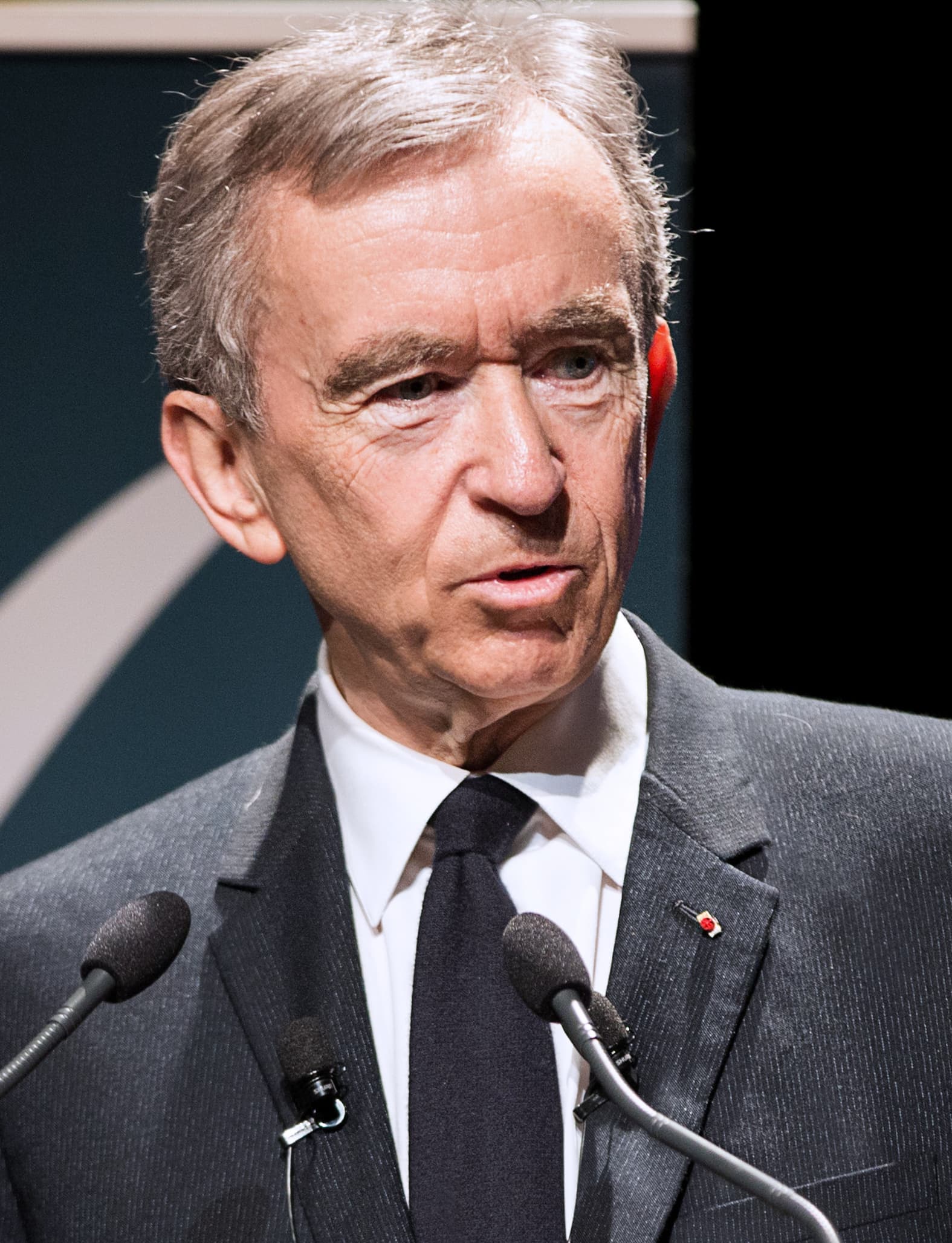
The playing field is no longer defined merely by grass, court lines, or finish lines—it is defined by balance sheets that rival the GDP of mid-sized nations. Forbes’ 2026 global ranking of the wealthiest sports team owners confirms a seismic shift in the sports ecosystem: the era of the local benefactor has yielded to the age of the global conglomerate. French luxury magnate Bernard Arnault now sits atop the list, commanding a fortune estimated at USD 171 billion (approximately KES 22.2 trillion), his influence extending into football through strategic acquisitions. He is joined by stalwarts like Rob Walton and Steve Ballmer, whose investments have turned franchises into multi-billion-dollar engines of capital.
This consolidation of wealth is not merely a matter of prestige it is a fundamental transformation of the industry. As institutional capital, sovereign wealth funds, and ultra-high-net-worth individuals tighten their grip on teams across the NFL, NBA, and European leagues, the very definition of sports stewardship is being rewritten. This transition forces a reckoning: does the financialization of sports threaten the cultural and community foundations that make them worth watching in the first place?
For decades, sports ownership was largely a hobby—a way for local magnates to curry favor or support a home team. Today, that model is obsolete. According to 2026 data, the top 20 global sports owners collectively control assets valued at over USD 900 billion (KES 117 trillion). This is driven by several key factors:
The result is a widening gap between elite franchises and the rest of the sporting pyramid. When the Los Angeles Clippers—controlled by Steve Ballmer—are valued in the multi-billion dollar range, the barrier to entry for prospective owners becomes exclusionary, effectively shutting out non-institutional investors.
While the global elite grapple with how to spend their billions, the Kenyan sporting landscape presents a sharp, necessary counter-narrative. Here, the struggle is not about optimizing billion-dollar revenue streams, but about securing foundational funding. The Kenyan government has earmarked approximately USD 13.1 million (KES 1.7 billion) for the development of 37 sports academies across the country, a vital initiative aimed at grassroots talent identification. Yet, this figure pales in comparison to the operational budgets of single-tier European clubs.
Experts in Nairobi argue that Kenya’s potential lies in avoiding the "white elephant" syndrome—constructing massive infrastructure projects like the Nyayo and Kasarani stadium upgrades, which have cost upwards of KES 8.5 billion, without a sustainable post-event commercial strategy. Unlike the billionaire-owned franchises of the West, Kenyan sports rely heavily on public funding, which remains vulnerable to political cycles and fiscal volatility. The challenge for local sports authorities is to transition from a reliance on government largesse to creating transparent governance structures that can attract private, sustainable partnerships—a feat easier said than done in an environment still haunted by historical management wrangles.
The fundamental tension of 2026 remains whether the pursuit of record-breaking valuations can coexist with the social contract of sports. As institutional investors and private equity firms move deeper into the space, they bring a relentless focus on efficiency. This is a double-edged sword. On one hand, it professionalizes leagues, improves training facilities, and elevates the global product. On the other, it risks distancing teams from their historic, working-class fan bases.
Data from recent analyses suggests that teams owned by diversified holding companies are less likely to prioritize local community impact over quarterly dividends. In Kenya, this global trend serves as a warning. If the local sports industry aims to grow, it must guard against the extractive models seen in the West. The goal should not be to mimic the valuation-obsessed models of elite foreign leagues, but to build a system where the "product" is not just the match, but the development of human potential from the grassroots up.
As the wealth gap in sports continues to widen, the next generation of sports leadership will be defined by those who can bridge the chasm between commercial viability and social purpose. Whether in the boardroom of a Parisian club or on the pitch in a developing county, the future of athletics depends on a return to basics: investing in the people, the infrastructure, and the communities that provide the heartbeat of the game. The titans of 2026 have the money, but the true measure of their success will be whether they leave the sports ecosystem stronger, more inclusive, and more sustainable than they found it.
Keep the conversation in one place—threads here stay linked to the story and in the forums.
Sign in to start a discussion
Start a conversation about this story and keep it linked here.
Other hot threads
E-sports and Gaming Community in Kenya
Active 9 months ago
The Role of Technology in Modern Agriculture (AgriTech)
Active 9 months ago
Popular Recreational Activities Across Counties
Active 9 months ago
Investing in Youth Sports Development Programs
Active 9 months ago
Key figures and persons of interest featured in this article