We're loading the full news article for you. This includes the article content, images, author information, and related articles.
Eliud Kipchoge reveals the severe, life-altering threats his family faced following the tragic death of Kelvin Kiptum, shedding light on digital harassment.

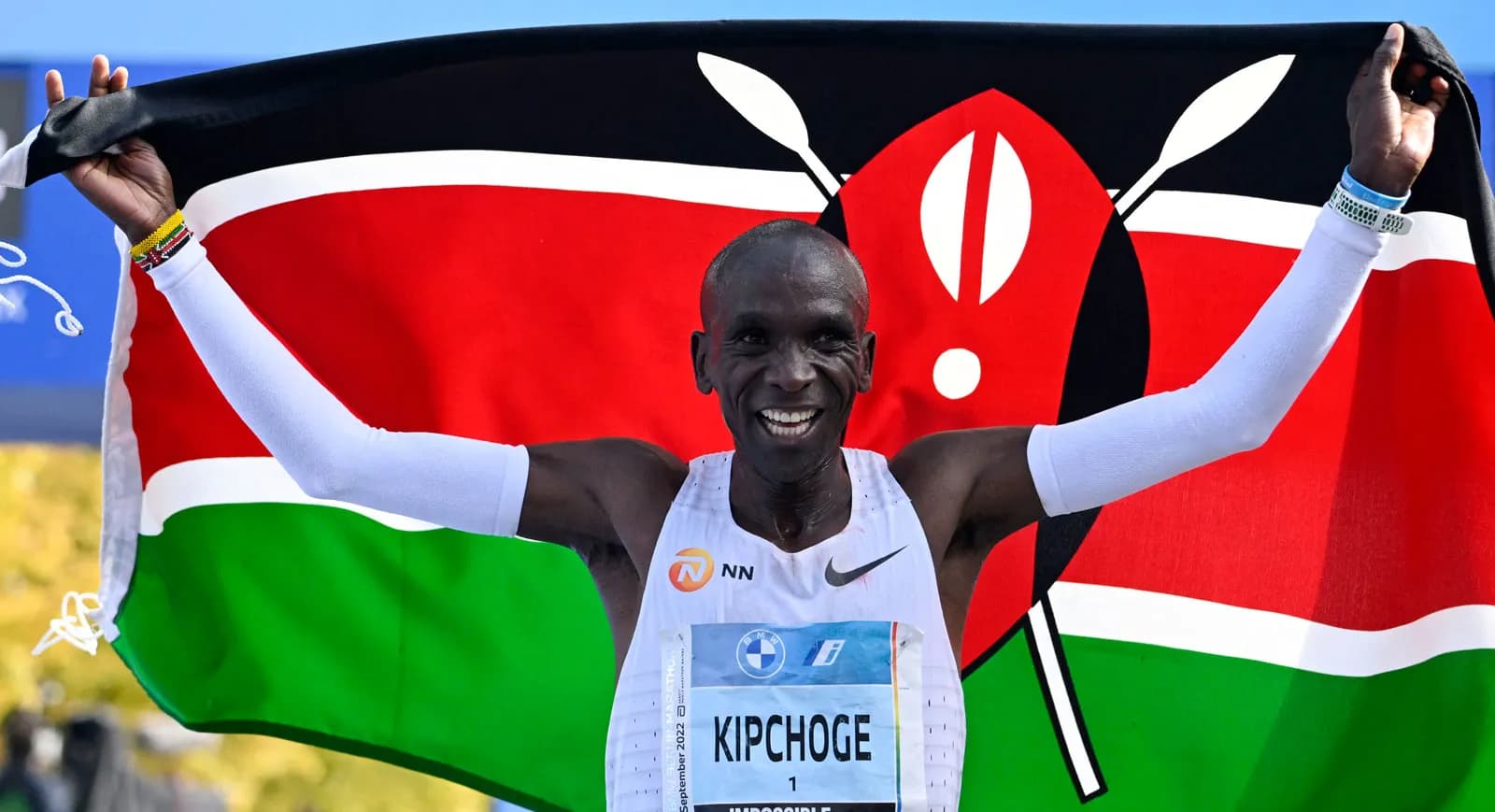
Eliud Kipchoge, a figure synonymous with the pinnacle of human endurance and Kenyan sporting pride, has finally pulled back the veil on the darker, unseen consequences of the digital age. In a candid appearance on the Engage platform, the marathon icon revealed the harrowing reality of the vitriol he faced in the immediate aftermath of Kelvin Kiptum’s fatal road accident in February 2024.
For weeks following the tragedy that claimed the life of the world record holder, Kipchoge found himself the target of an unprovoked and vicious online campaign. While the nation mourned the loss of a generational talent, a subset of the public directed their grief into dangerous, unsubstantiated conspiracy theories, forcing the legendary athlete to fundamentally alter his private life to protect his family.
This is not merely a story of one athlete’s struggle it is a sobering indictment of the volatility of social media culture in Kenya. It highlights a critical intersection where national adoration can instantly curdle into digital toxicity, leaving public figures—even those who have served their country for decades—vulnerable to mob rule and irrational accusation.
The tragedy occurred on February 11, 2024, when Kelvin Kiptum, the then-24-year-old rising star, lost his life alongside his coach, Gervais Hakizimana, in a collision near Kaptagat. The shockwaves were immediate. As the global athletics community struggled to process the sudden exit of a man whose 2:00:35 world record had promised to redefine the boundaries of human speed, the vacuum of official information was rapidly filled by online speculation.
Kipchoge, often viewed as the standard-bearer for Kenyan athletics, became an unwilling lightning rod for the misplaced anger of the public. According to the veteran athlete, the initial news of the crash was profoundly confusing, as he initially misinterpreted reports to mean a different individual from his village. However, the realization that it was Kiptum was swiftly followed by a sickening wave of harassment.
The accusations were as baseless as they were persistent. Online commentators, hiding behind the anonymity of various platforms, fabricated narratives suggesting Kipchoge played a role in the tragedy, driven by a perceived professional rivalry. These claims, devoid of any factual basis, gained traction through algorithmic amplification, demonstrating the ease with which digital misinformation can dismantle a reputation built over a lifetime.
The most alarming aspect of Kipchoge’s testimony involves the tangible threat posed to his family. In a world where online abuse is often dismissed as mere “noise,” Kipchoge’s experience serves as a stark reminder that digital hate has real-world consequences. The intensity of the threats, directed not only at himself but at his children, necessitated a complete overhaul of his family’s security protocols.
In the weeks following the accident, Kipchoge was forced to rethink his children’s daily routines, including their transit to and from school. The decision to disrupt his family’s life was not a measure of paranoia, but a pragmatic response to the genuine danger posed by radicalized internet users who had blurred the lines between reality and their own fabricated narratives.
This incident is a local manifestation of a global phenomenon. Elite athletes across the world, from the English Premier League to American professional sports, have increasingly spoken out about the dehumanizing impact of social media harassment. Yet, in the Kenyan context, the speed with which misinformation can spread, combined with a lack of robust digital moderation, creates an environment where public figures are perpetually at risk.
Experts in media and sports psychology note that the “hero-worship” cycle creates a dangerous paradox. Fans often attach a sense of ownership to their sporting idols, and when that idol fails—or when tragedy strikes a successor—the public feels entitled to assign blame. Kipchoge’s experience reveals the fragility of this relationship. Despite his role as a global ambassador for the sport, he was subjected to the same vitriol that any anonymous user might face, proving that no level of success provides immunity from the digital mob.
The silence that Kipchoge maintained for months was not an admission of guilt, but a calculated decision to avoid fueling the fire. By speaking out now, he has provided a necessary counter-narrative, challenging the public to interrogate the ethics of their own consumption of tragedy. The challenge for Kenyan society now lies in fostering a digital culture that values truth over sensationalism.
As the athletics community continues to grapple with the loss of Kiptum, the narrative must shift from the sensationalism of conspiracy to the legacy of the sport. Kiptum’s death remains a profound loss, not only for the talent he displayed but for the historic milestones he was yet to reach. It is a tragedy that demands respect, not the weaponization of grief against his predecessors.
Ultimately, the incident serves as a painful lesson for the nation. It highlights that the admiration of sporting heroes requires a baseline of humanity. As Kipchoge continues his journey, the memory of these events will likely persist as a scar, marking a period where the nation’s love for its champions turned, briefly and dangerously, into a tool for destruction. The question that lingers for the digital public is whether they possess the discipline to distinguish between genuine inquiry and destructive, anonymous malice.
Keep the conversation in one place—threads here stay linked to the story and in the forums.
Sign in to start a discussion
Start a conversation about this story and keep it linked here.
Other hot threads
E-sports and Gaming Community in Kenya
Active 9 months ago
The Role of Technology in Modern Agriculture (AgriTech)
Active 9 months ago
Popular Recreational Activities Across Counties
Active 9 months ago
Investing in Youth Sports Development Programs
Active 9 months ago
Key figures and persons of interest featured in this article