We're loading the full news article for you. This includes the article content, images, author information, and related articles.
Audit reveals silent signatories and overnight deposits in unauthorized bank account opened under Governor Sakaja's watch, sparking fraud fears.
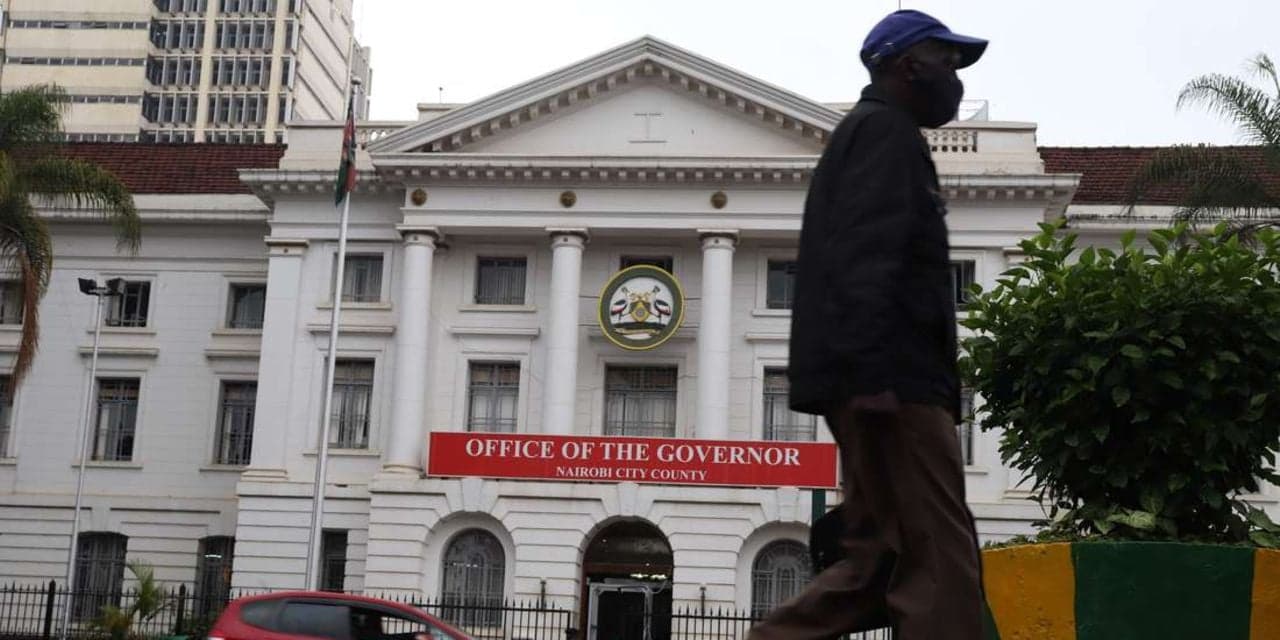
A forensic audit has unearthed a clandestine bank account at City Hall that received a staggering Sh151 million in suspicious overnight deposits, raising fresh alarms about looting in the capital.
The account, which was opened in November 2024, operated in the shadows, outside the purview of the Integrated Financial Management Information System (IFMIS). Its existence mocks the strict public finance management laws that require all government revenue to be swept into a single designated fund. The discovery has thrown Governor Johnson Sakaja's administration into the spotlight, as investigators race to identify the "silent signatories" who authorized the opening and operation of this ghost ledger.
The audit reveals a sophisticated scheme designed to bypass oversight. The funds were deposited in tranches that avoided immediate red flags, only to be moved or withdrawn with minimal documentation. The signatories to the account are not the usual finance officers, suggesting a parallel structure of command within City Hall. Investigators believe this account was a conduit for diverting revenue from key collection streams, such as parking fees and business permits, directly into private pockets.
The timing is significant. November 2024 was a period of high revenue collection enforcement in Nairobi. That a secret account was operational during this peak season suggests premeditation. The "silent signatories"—individuals whose names appear on the bank mandate but who hold no official capacity to manage public funds—are the key to unlocking the mystery. Their identities, currently shielded by banking secrecy laws, are the subject of an intense probe by the Ethics and Anti-Corruption Commission (EACC).
For Governor Sakaja, this scandal is a litmus test of his commitment to fighting graft. While he has previously promised to digitize revenue collection to seal leaks, the existence of a manual, secret account undermines that narrative. The buck stops at the Governor's office, and the public is demanding to know who authorized the account and where the money went.
The Sh151 million question is not just about the money; it is about the system. If one such account exists, how many others are hidden in the labyrinth of City Hall's bureaucracy? The audit is ongoing, but the initial findings have already confirmed what many Nairobians have long suspected: in the city within the sun, the darkest deals happen in the shade of official accounts.
As the signatories are summoned to record statements, the veil of secrecy is beginning to lift. But in Nairobi's murky waters, uncovering the truth is often dangerous business.
Keep the conversation in one place—threads here stay linked to the story and in the forums.
Sign in to start a discussion
Start a conversation about this story and keep it linked here.
Other hot threads
E-sports and Gaming Community in Kenya
Active 9 months ago
The Role of Technology in Modern Agriculture (AgriTech)
Active 9 months ago
Popular Recreational Activities Across Counties
Active 9 months ago
Investing in Youth Sports Development Programs
Active 9 months ago