We're loading the full news article for you. This includes the article content, images, author information, and related articles.
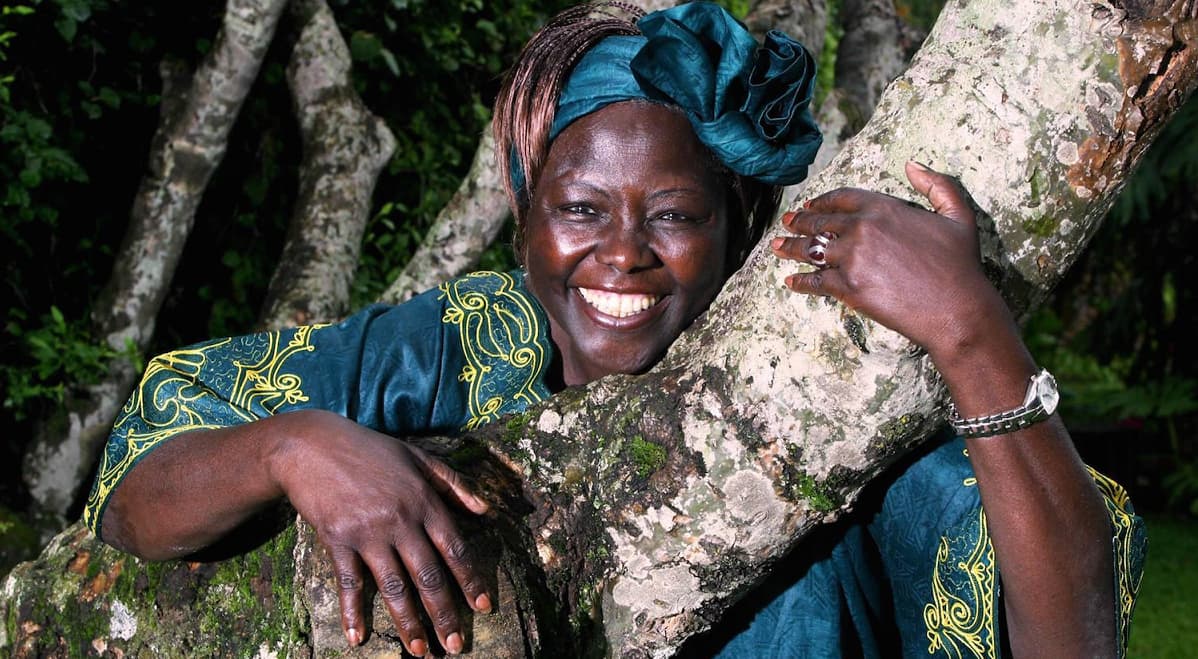
More than a decade after her passing, Wangari Maathai's vision of linking environmental healing with democracy and peace continues to challenge and inspire Kenya. Her fight was never just about trees.
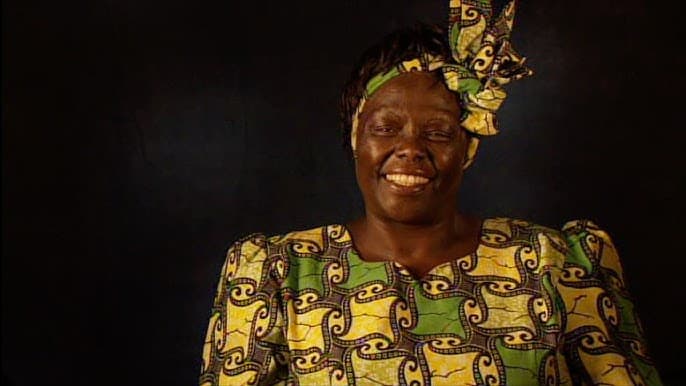
Fourteen years after her death, the roots of Wangari Maathai’s legacy run deeper than the 51 million trees planted by her Green Belt Movement. Her struggle, once dismissed by a hostile regime, is now the blueprint for a generation grappling with climate change, shaping everything from constitutional rights to community conservation efforts across Kenya.
Professor Maathai’s work was a radical act of peace that connected the dots between a healthy environment and stable communities. She saw that for rural women, deforestation wasn't an abstract concept; it meant longer, back-breaking journeys for firewood, scarcer food, and drying streams—a direct threat to their families' survival. The Green Belt Movement (GBM), founded in 1977, was her answer: a simple, powerful idea to pay poor women to plant trees, restoring the land while putting food on the table.
Maathai’s vision quickly expanded beyond planting seedlings. She understood that environmental degradation was a symptom of a deeper political sickness: poor governance and corruption. Her activism became a courageous fight for democracy itself. She faced down the authoritarian government of Daniel arap Moi, enduring beatings, arrests, and public ridicule for defending public spaces like Uhuru Park and Karura Forest from private developers.
This holistic approach—linking environmental conservation with democracy and human rights—earned her the Nobel Peace Prize in 2004, making her the first African woman to receive the honour. The Nobel Committee noted she “thinks globally and acts locally,” recognizing that peace on earth depends on our ability to secure our living environment.
Today, Maathai's influence is undeniable. Kenya's 2010 Constitution includes the right to a clean and healthy environment, a direct result of her advocacy. Yet, her legacy faces significant challenges.
Analysts note that while her spirit lives on in countless grassroots movements, the official commitment to her vision sometimes appears to waver. The fight she began—for environmental justice, good governance, and the dignity of ordinary people—is far from over.
As she famously illustrated with her story of the hummingbird trying to put out a forest fire one drop at a time, her message was one of persistent, defiant action. “I will be a hummingbird,” she would say. “I will do the best I can.” It is a call to action that resonates across Kenya today, a reminder that the work of securing the nation's future, one tree, one voice at a time, falls to everyone.
Keep the conversation in one place—threads here stay linked to the story and in the forums.
Sign in to start a discussion
Start a conversation about this story and keep it linked here.
Other hot threads
E-sports and Gaming Community in Kenya
Active 9 months ago
The Role of Technology in Modern Agriculture (AgriTech)
Active 9 months ago
Popular Recreational Activities Across Counties
Active 9 months ago
Investing in Youth Sports Development Programs
Active 9 months ago
Key figures and persons of interest featured in this article