We're loading the full news article for you. This includes the article content, images, author information, and related articles.
As thousands of Kenyans scramble for flights to the Middle East, the state steps in with a new rulebook to stop the exploitation of its most desperate export.
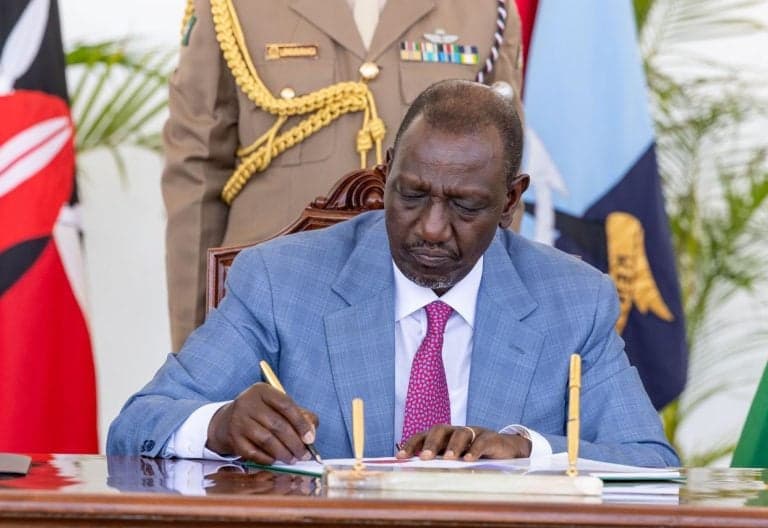
President William Ruto has turned the export of Kenyan labour from a survival tactic into a national economic strategy, but the human cost has forced a sudden regulatory pivot. Facing a rising tide of horror stories—from stranded domestic workers to fake job scams—the government has issued stringent new guidelines for anyone seeking greener pastures abroad.
The dream is simple: trade unemployment in Nairobi for a paycheck in Riyadh or Berlin. But the reality has often been a nightmare of trafficking and abuse. The "So What?" here is the government’s attempt to sanitize this trade. By mandating that all jobs be vetted through the National Employment Authority (NEA) and promising to fund air tickets, the state is trying to take control of a chaotic industry. They are effectively saying: "Go, but go on our terms."
The new directive is clear: no more backyard agencies. Every recruitment firm must be registered, and every job order must be verified by Kenyan attachés in the destination country. The days of flying out on a tourist visa with a promise of work are ending.
Critically, the state is also rolling out mandatory pre-departure training. This isn't just about how to do the job; it’s about how to survive—how to report abuse, how to handle contracts, and cultural orientation. Yet, skepticism remains. Can a website really stop a rogue employer in the Gulf from confiscating a passport? Can a pre-departure seminar protect a girl in a remote household in Saudi Arabia?
The government’s crackdown has already seen the number of licensed agencies slashed from 1,200 to 600. It is a necessary purge. For the young men and women queuing at the passport office, these guidelines offer a fragile layer of protection in a world that sees them as commodities.
Kenya is open for business, and its main product is its people. The challenge now is ensuring they are sold, not sold out.
Keep the conversation in one place—threads here stay linked to the story and in the forums.
Sign in to start a discussion
Start a conversation about this story and keep it linked here.
Other hot threads
E-sports and Gaming Community in Kenya
Active 9 months ago
The Role of Technology in Modern Agriculture (AgriTech)
Active 9 months ago
Popular Recreational Activities Across Counties
Active 9 months ago
Investing in Youth Sports Development Programs
Active 9 months ago