We're loading the full news article for you. This includes the article content, images, author information, and related articles.
A look at the 2026 Forbes list reveals a persistent global wealth gap where inherited fortunes dominate the top tiers, impacting global markets.

A handful of women command assets exceeding the GDP of entire nations, yet the foundations of their wealth remain rooted in historic family legacies rather than the disruptive innovation typical of the new technology era. The 2026 release of the annual global wealth index confirms a persistent paradox: while female participation in the global economy has never been higher, the peak of the billionaire hierarchy remains dominated by wealth preservation rather than wealth creation.
This shift in the 2026 rankings does more than update the net worth of the world’s elite it illuminates the mechanics of intergenerational capital transfer and the widening chasm between inherited empires and the venture-backed economy. For the global observer, these numbers represent a concentration of power that influences everything from international trade policy to the stability of consumer goods markets in emerging economies like Kenya, where the disparity between the ultra-wealthy and the grassroots entrepreneurial class continues to sharpen.
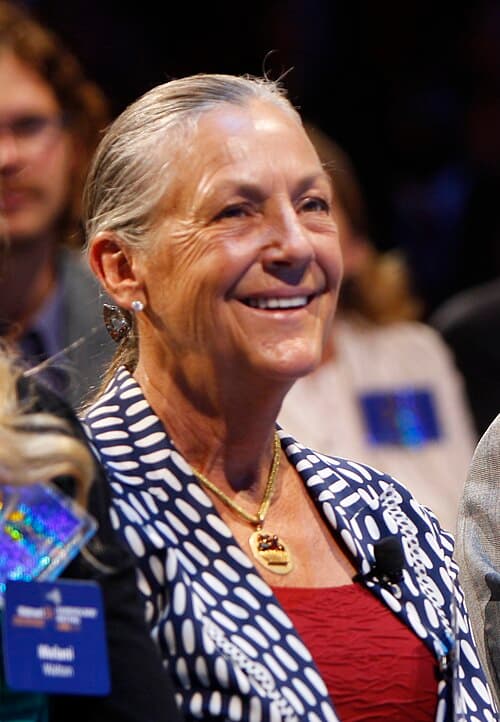
At the summit of the 2026 rankings, the composition of the list remains remarkably static. Francoise Bettencourt Meyers continues to anchor the top tier, drawing her fortune from the L’Oreal beauty conglomerate. Her position serves as a case study for the durability of luxury goods and consumer staples even during periods of global inflationary pressure. Alongside her, Alice Walton and the heirs to the retail monoliths represent the consolidation of legacy industries, contrasting sharply with the tech-heavy portfolios that defined the previous decade.
Economists tracking the 2026 data observe a distinct pattern: the resilience of wealth derived from tangible goods. While tech fortunes fluctuate with the volatility of artificial intelligence and semiconductor markets, the empires built on consumer goods, retail, and manufacturing exhibit a defensive posture that protects capital against market downturns. This structural advantage ensures that these individuals maintain their rankings regardless of the broader geopolitical climate, creating a form of institutionalized wealth that is difficult to disrupt.
A critical examination of the 2026 data reveals that a significant majority of the top-ranking women attained their status through inheritance or family-controlled holdings. This challenges the popular narrative of the self-made billionaire, particularly when viewed through an investigative lens. The accumulation of such vast sums, often in the range of 60 billion to 90 billion US dollars (approximately 7.6 trillion to 11.5 trillion Kenyan Shillings), creates a static upper echelon that can stifle competitive dynamics within their respective industries.
The concentration of these assets raises profound questions regarding wealth distribution. When a singular estate holds the power to sway commodity prices or influence global distribution chains, the ripple effects are felt acutely in developing markets. In Kenya, the impact is visible not in the presence of such billionaires, but in the cost of goods and the availability of capital. The consolidation of global retail and cosmetic supply chains by these family-led conglomerates dictates import prices and market entry barriers for local distributors.
In Nairobi and across East Africa, the story of female wealth takes a radically different trajectory. While the global list features heirs to century-old industries, the fastest-growing sector for female wealth in Kenya is rooted in the digital economy, agricultural technology, and financial services. Kenyan women are increasingly dominating the small-to-medium enterprise sector, acting as the primary drivers of growth in the service and retail industries.
The discrepancy is stark. A Nairobi-based tech startup founder, while unlikely to appear on a global billionaire list, often commands a greater degree of economic influence within the regional ecosystem than heirs who manage passive portfolios. However, the lack of comparable capital depth in the Kenyan market remains a significant hurdle. Without access to the massive legacy capital reserves enjoyed by their global counterparts, local entrepreneurs must navigate a higher risk-to-reward ratio, effectively functioning as the backbone of the economy without the safety net of dynastic wealth.
The 2026 findings are not merely a tally of dollars and cents but a reflection of systemic economic policy. Governments globally are under increasing pressure to address the disparity between the ultra-wealthy and the working population. The question for policymakers is how to encourage the kind of disruptive innovation that generates new wealth while managing the social cost of extreme capital concentration. As the world moves through 2026, the focus is shifting from simply counting the richest to analyzing the systemic impacts of their holdings on the global economy.
Ultimately, the figures published in 2026 serve as a mirror held up to global inequality. While the names at the top remain largely unchanged, the real investigative story lies in the contrast between these stable, inherited empires and the fragile, high-growth, innovation-driven economies of the global south. The world is watching to see if the next decade will maintain this status quo or if new, self-made wealth will begin to crack the foundation of the old guard.
Keep the conversation in one place—threads here stay linked to the story and in the forums.
Sign in to start a discussion
Start a conversation about this story and keep it linked here.
Other hot threads
E-sports and Gaming Community in Kenya
Active 9 months ago
The Role of Technology in Modern Agriculture (AgriTech)
Active 9 months ago
Popular Recreational Activities Across Counties
Active 9 months ago
Investing in Youth Sports Development Programs
Active 9 months ago
Key figures and persons of interest featured in this article