We're loading the full news article for you. This includes the article content, images, author information, and related articles.
Rigathi Gachagua reignites the "One Man, One Shilling" debate, arguing that school bursary allocations must be based on population density to ensure fairness for populous constituencies.
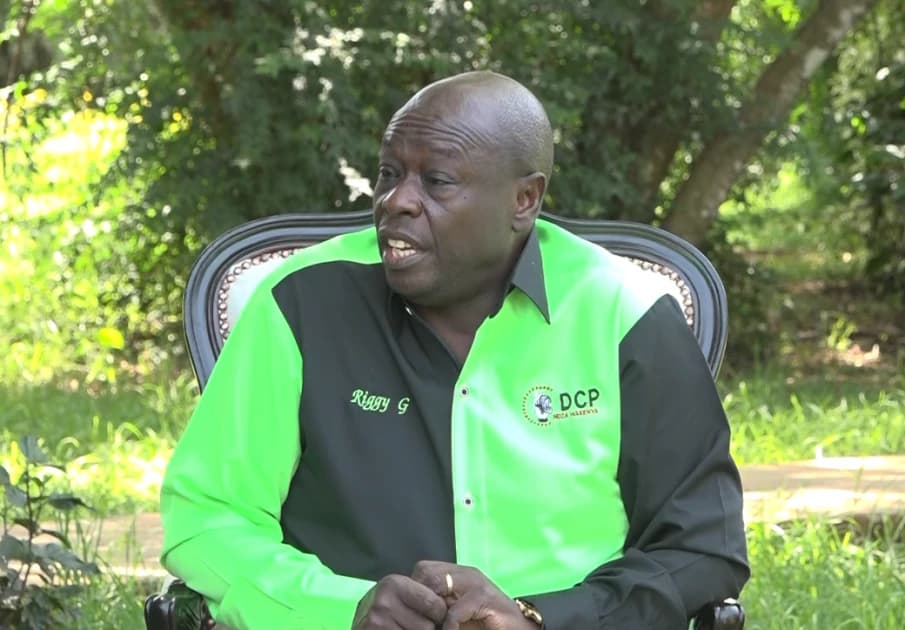
Former Deputy President Rigathi Gachagua has doubled down on his controversial proposal to link education bursaries strictly to population density. Speaking to a gathering of teachers in Murang’a, Gachagua argued that the current model, which allocates equal Constituency Development Fund (CDF) amounts to all constituencies regardless of size, is "discriminatory and unjust."
"How can a constituency with 5,000 students receive the same bursary allocation as Ruiru, which has 50,000?" Gachagua posed. "This is not tribalism; this is mathematics. I am calling for equity, not favors." The remarks have reignited the divisive "One Man, One Vote, One Shilling" debate that has polarized the nation.
Leaders from sparsely populated regions, particularly in the North East and Coast, have condemned the proposal as an attempt to marginalize historically underserved areas. "Equity means uplifting the weak, not just feeding the strong," retorted Garissa Township MP Dekow Barrow. "The cost of delivering education in the arid lands is triple that of the central highlands."
Gachagua’s allies in Parliament are reportedly drafting a bill to amend the CDF Act. If tabled, the bill promises to be a legislative bloodbath, pitting populous counties against the rest of the country and testing the unity of the Kenya Kwanza coalition.
Keep the conversation in one place—threads here stay linked to the story and in the forums.
Sign in to start a discussion
Start a conversation about this story and keep it linked here.
Other hot threads
E-sports and Gaming Community in Kenya
Active 9 months ago
The Role of Technology in Modern Agriculture (AgriTech)
Active 9 months ago
Popular Recreational Activities Across Counties
Active 9 months ago
Investing in Youth Sports Development Programs
Active 9 months ago
Key figures and persons of interest featured in this article