We're loading the full news article for you. This includes the article content, images, author information, and related articles.
As global delegates gather in Nairobi, Kenya leads a high-stakes push to regulate the massive energy and water costs of Artificial Intelligence before it’s too late.
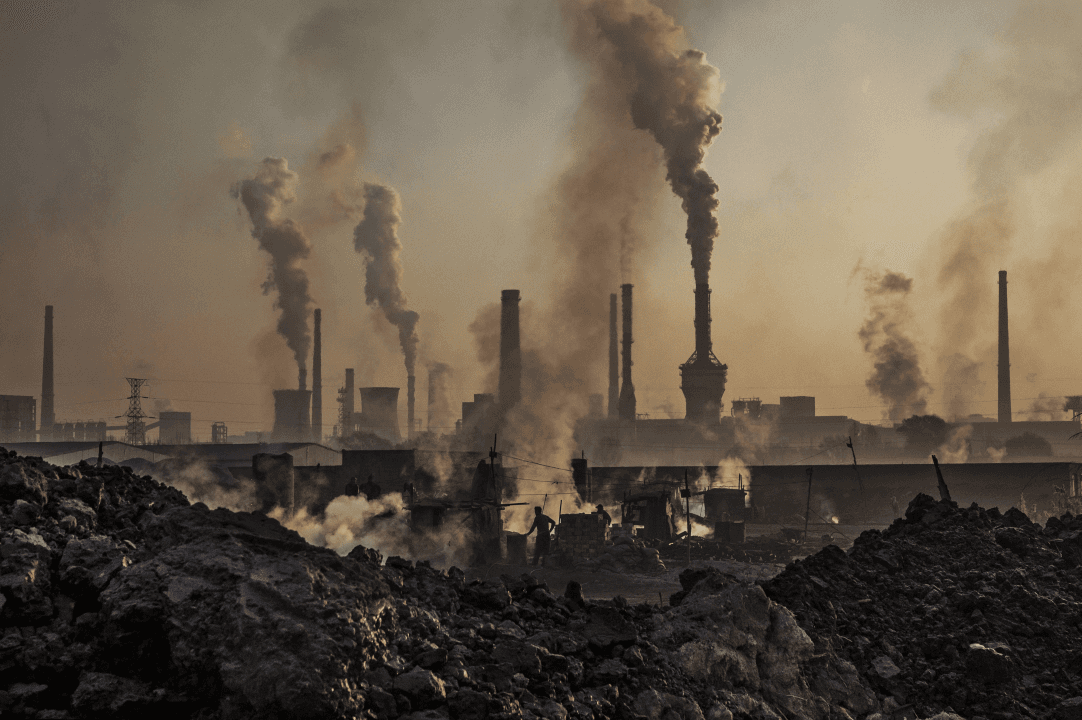
NAIROBI — Inside the lush, diplomatic enclave of Gigiri, the air conditioning is humming, and so are the servers. But as thousands of delegates settle in for the Seventh Session of the United Nations Environment Assembly (UNEA-7) this week, the conversation has shifted from traditional smokestacks to a newer, invisible polluter: Artificial Intelligence.
It is a bitter paradox for the “Silicon Savannah.” While Nairobi positions itself as Africa’s tech capital, the very algorithms promised to solve climate change are burning through energy and water at a rate that has alarmed scientists and policymakers alike. The question dominating the corridors of the UN Environment Programme (UNEP) headquarters is simple but uncomfortable: Can we save the planet with tools that are actively helping to heat it up?
“We are at a crossroads where innovation meets consequence,” said Dr. Deborah Barasa, Kenya’s Cabinet Secretary for Environment, addressing the opening plenary. “A resilient planet means ensuring that our economic engines—including our digital ones—do not consume the very resources we are trying to protect.”
For the average Kenyan scrolling through ChatGPT or using Google’s AI overviews, the environmental cost is abstract. But the data presented at UNEA-7 paints a stark picture. A single large data center can consume as much electricity as 100,000 homes. In a country where grid stability is a perennial issue and electricity costs hit the pocket hard, this is not just a technical statistic; it is a resource conflict waiting to happen.
UNEP Executive Director Inger Andersen did not mince words, warning delegates that AI has a "significant environmental problem." The numbers back her up:
“We cannot let the digital revolution become a planetary burden,” Andersen noted. “Prevention is easier than the cure. We need to ensure the net effect of AI is positive before we deploy it at scale.”
Kenya is not just playing host; it is playing offense. In a move that cements its status as a leader in climate diplomacy, Nairobi is backing a draft resolution specifically targeting the environmental sustainability of AI systems. The resolution calls for a “Global Stocktake Report” to be prepared before the next assembly in 2026, forcing nations and tech giants to declare the true environmental costs of their digital ambitions.
The proposal advocates for “Green AI”—systems designed from the ground up to be energy-efficient and powered by renewables. For Kenya, this is a strategic alignment. With the country’s grid already heavily reliant on geothermal power from Olkaria, Kenya is pitching itself as the ideal, sustainable home for the world’s data centers.
“We are telling the world that you can have high-tech without high-carbon,” said a senior Kenyan diplomat involved in the negotiations. “But we need the global standards to match our local ambition.”
Perhaps the most contentious issue on the table is water. Data centers require massive amounts of water for cooling—a resource already scarce in many parts of Africa. The UNEA-7 discussions have highlighted a growing tension: tech giants competing with local communities for water rights.
Reports surfaced during the assembly indicating that global tech firms’ water consumption has spiked by nearly 80% in recent years. In the context of East Africa’s recurring droughts, the optics of diverting millions of liters of water to cool servers while taps run dry in informal settlements are politically explosive.
“If we do not regulate this now, we will see ‘water wars’ shifting from agriculture to technology,” warned Abdullah bin Ali Al-Amri, the UNEA-7 President. “Resilience is built together, or it is not built at all.”
As the assembly heads toward its closing session on Friday, the mood is one of urgent pragmatism. The resolutions passed here are not legally binding, but they set the global norm. If Kenya’s push succeeds, it could force a fundamental redesign of how the digital age is powered.
“We are not asking to turn back the clock,” CS Barasa concluded. “We are asking that the future pays its bills—to the planet, and to the people.”
Keep the conversation in one place—threads here stay linked to the story and in the forums.
Sign in to start a discussion
Start a conversation about this story and keep it linked here.
Other hot threads
E-sports and Gaming Community in Kenya
Active 10 months ago
The Role of Technology in Modern Agriculture (AgriTech)
Active 10 months ago
Popular Recreational Activities Across Counties
Active 10 months ago
Investing in Youth Sports Development Programs
Active 10 months ago
Key figures and persons of interest featured in this article