We're loading the full news article for you. This includes the article content, images, author information, and related articles.
NASA’s decades of orbiting research are the invisible backbone of humanity’s return to the Moon, proving that the road to Mars is paved 250 miles above Earth.
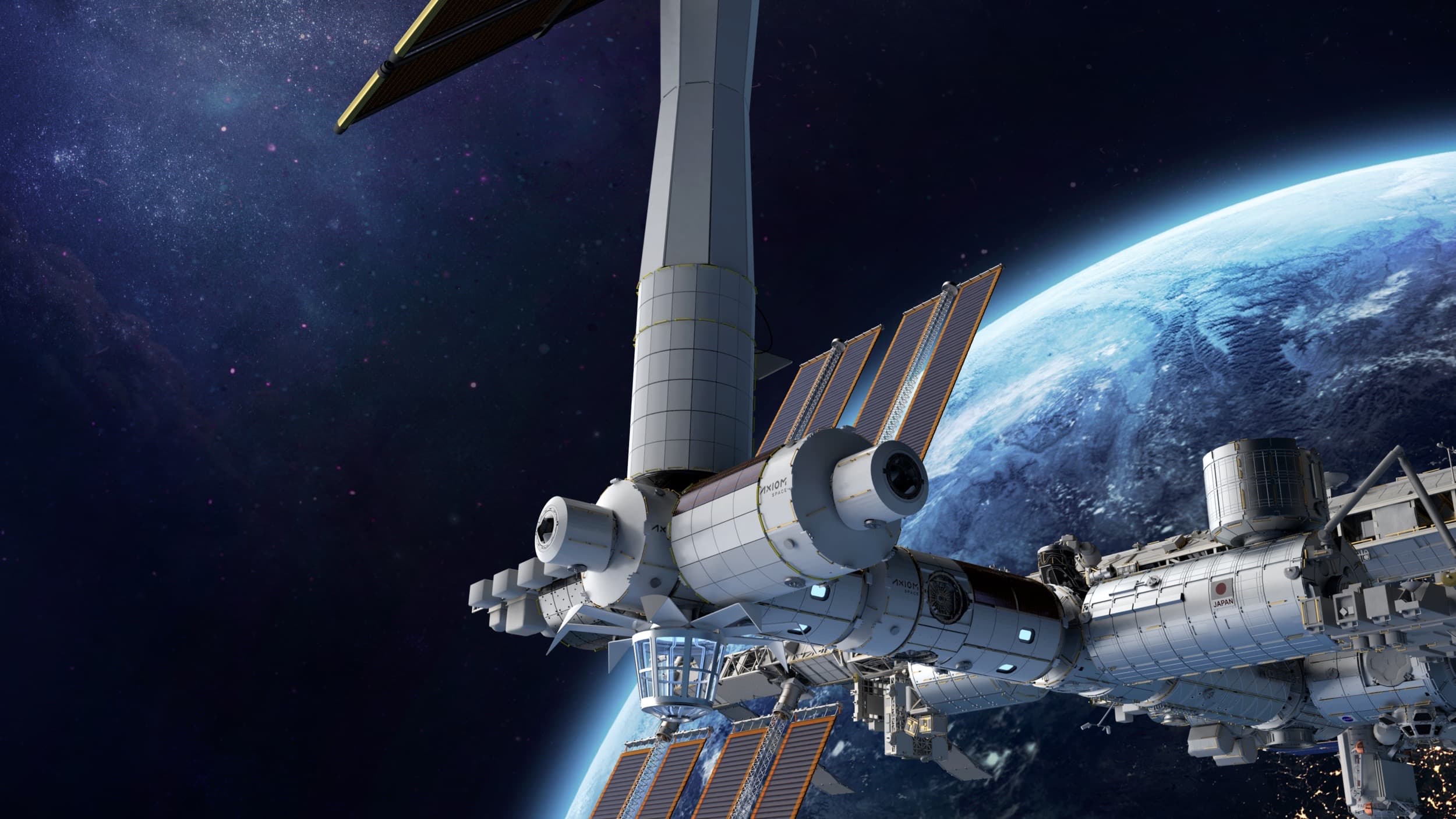
NASA’s decades of orbiting research are the invisible backbone of humanity’s return to the Moon, proving that the road to Mars is paved 250 miles above Earth.
When the four astronauts of the Artemis II mission blast off to circle the Moon, they will be riding on the shoulders of giants—not just the engineers of the past, but the silent, ceaseless data stream from the International Space Station (ISS). For over two decades, the ISS has served as humanity’s testbed in the vacuum, a microgravity crucible where the technologies for deep space survival were forged, tested, and perfected.
The connection between the orbiting lab and the lunar spacecraft is direct and mechanical. The Orion spacecraft’s life support systems are not theoretical; they are the graduated alumni of the ISS. From the radiation sensing equipment that will protect the crew from cosmic rays to the carbon dioxide removal systems that will keep them breathing, every critical component has earned its stripes in Low Earth Orbit (LEO).
Beyond the nuts and bolts, the ISS has mapped the unknown terrain of the human body in space. The "Spaceflight Standard Measures" experiment has generated a baseline of physiological and psychological data that is now critical for mission planning. We know how the body degrades, how the eyes shift, and how the mind copes with isolation because we have watched it happen in real-time, 16 times a day, as the station orbits the planet.
The legacy of the ISS is not just in the hardware it tested, but in the operational confidence it built. It proved that we can recycle water, fight fires, and fix toilets in a vacuum. It transformed space from a terrifying void into a manageable workplace.
As we prepare to venture beyond the protection of Earth’s magnetic field for the first time in 50 years, the ISS stands as the silent partner in the success of Artemis. We learned to walk in LEO so that we could run to the Moon.
Keep the conversation in one place—threads here stay linked to the story and in the forums.
Sign in to start a discussion
Start a conversation about this story and keep it linked here.
Other hot threads
E-sports and Gaming Community in Kenya
Active 10 months ago
The Role of Technology in Modern Agriculture (AgriTech)
Active 10 months ago
Popular Recreational Activities Across Counties
Active 10 months ago
Investing in Youth Sports Development Programs
Active 10 months ago



