We're loading the full news article for you. This includes the article content, images, author information, and related articles.
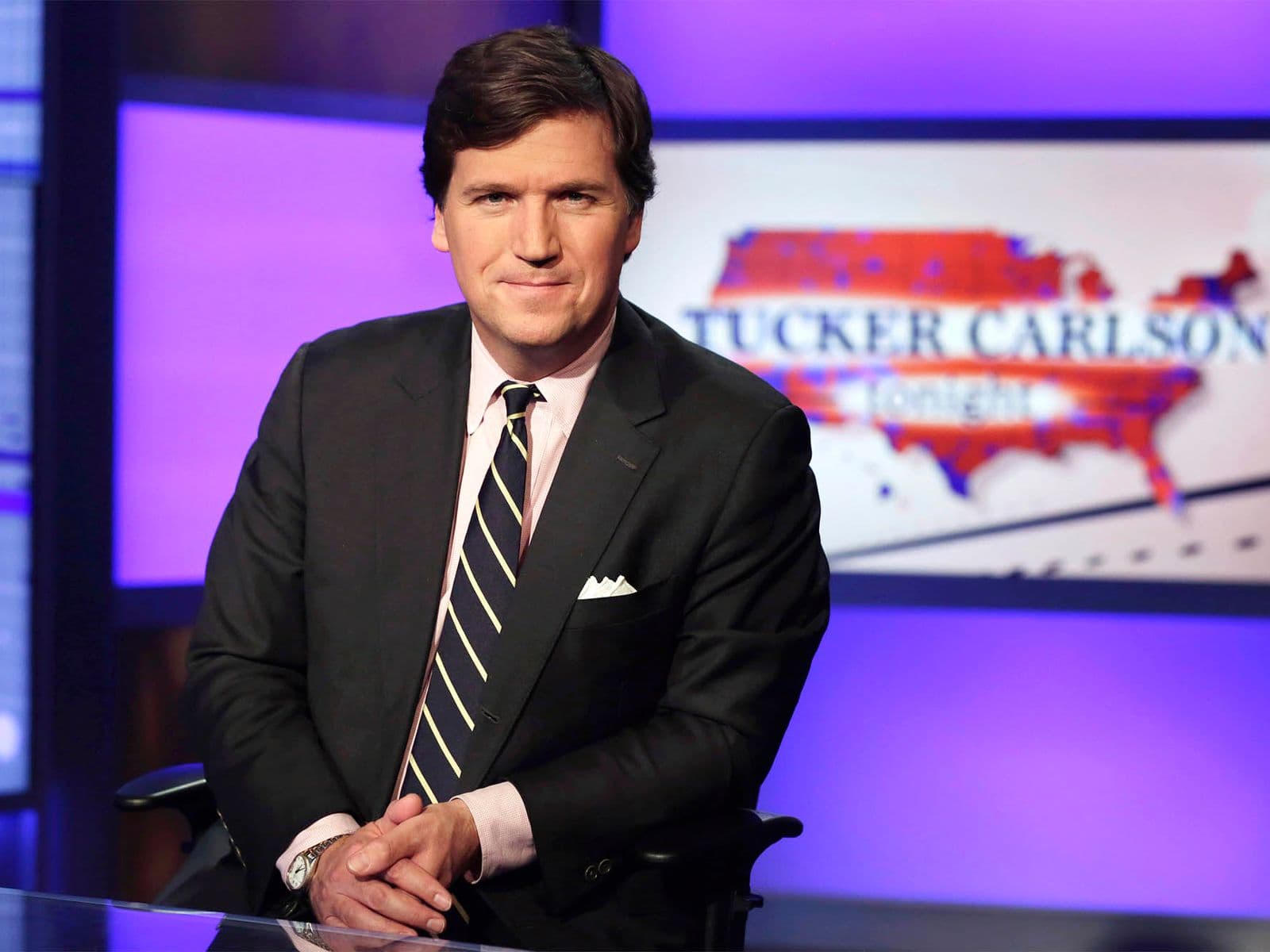
What happened to Tucker Carlson after leaving Fox News in April 2023? The conservative political activist moved into independent media.

In the spring of 2023, the media landscape shifted on its axis when Fox News, a titan of American cable broadcasting, abruptly severed ties with its most prominent voice, Tucker Carlson. The departure, coming just days after the network reached a staggering $787.5 million (approximately KES 102.3 billion) settlement with Dominion Voting Systems, marked more than just a personnel change. It signaled the beginning of a high-stakes experiment: Could a polarizing legacy media star succeed by abandoning the traditional broadcast model for the decentralized, algorithm-driven world of direct-to-consumer digital media?
For global observers and media analysts in Nairobi, Carlson’s trajectory since April 2023 serves as a potent case study on the future of news consumption. This is not merely the story of an individual commentator it is a profound transformation in how information is packaged, distributed, and monetized in the 21st century. The move from a corporate-controlled television network to a personal, subscription-based network has set a template that influencers and journalists worldwide are now rushing to emulate.
The parting of ways between Fox News and Carlson was framed as mutual, yet the context suggested a terminal incompatibility between the network's institutional constraints and the commentator's increasing appetite for unbridled discourse. During the Dominion defamation proceedings, internal records surfaced that revealed significant tension between Carlson's private sentiments and the network's editorial requirements. The legal and reputational costs associated with these revelations made the relationship untenable.
Almost immediately, Carlson executed a pivot that bypassed traditional distribution channels. By utilizing the reach of social media platforms—specifically X, formerly Twitter—he maintained his audience while transitioning into an independent operator. This strategy minimized his reliance on corporate advertisers who had previously distanced themselves from his controversial rhetoric. Instead, he cultivated a direct economic relationship with his audience through the Tucker Carlson Network, a subscription-based digital platform that launched in late 2023.
The shift to a subscription-based, independent model has yielded data points that challenge traditional assumptions about the reach of independent digital media. The scale of this migration is reflected in the following milestones and statistics compiled since his exit from cable television:
The ramifications of this migration are felt far beyond the United States. In Kenya, the media landscape is witnessing a similar, though distinct, pattern of decentralization. As legacy print and television houses grapple with shifting advertising revenues and changing audience habits, veteran journalists and political commentators are increasingly launching independent digital channels, substacks, and podcasts. The "Carlson model" of leveraging personal brand equity to bypass institutional gatekeepers is becoming the gold standard for journalists seeking to reclaim editorial autonomy.
However, this shift brings with it a complex set of challenges regarding media accountability. In a legacy system, editorial boards and libel laws provide a measure of institutional friction against unchecked claims. In the independent digital ecosystem, the feedback loop is often determined by algorithms that favor engagement over rigorous fact-checking. For the average Kenyan viewer, the proliferation of such platforms demands a higher level of media literacy, as the line between professional investigative reporting and persuasive opinion becomes increasingly blurred.
The move to independent media does not exempt these figures from the pressures of accountability. Carlson's current platform allows him to explore narratives that mainstream media outlets might deem too toxic or fringe. Yet, this freedom is balanced against the lack of institutional legal protection. When a network like Fox settles a case for over KES 100 billion, it reflects the systemic risk inherent in high-volume, opinion-led media. Independent operators, lacking such deep corporate coffers, face existential risks if their commentary crosses the threshold from protected speech to actionable defamation.
Ultimately, the story of Tucker Carlson since 2023 is a barometer for the broader media industry. It illustrates that in an era of digital fragmentation, a personality with a dedicated following can wield as much influence as a medium-sized network. Whether this development strengthens democratic discourse by diversifying voices or weakens it by creating hermetically sealed echo chambers remains the defining debate of our time. As audiences continue to migrate toward platforms that offer unfiltered, albeit subjective, content, the burden of truth increasingly shifts from the institution to the individual, and crucially, to the listener themselves.
Keep the conversation in one place—threads here stay linked to the story and in the forums.
Sign in to start a discussion
Start a conversation about this story and keep it linked here.
Other hot threads
E-sports and Gaming Community in Kenya
Active 10 months ago
The Role of Technology in Modern Agriculture (AgriTech)
Active 10 months ago
Popular Recreational Activities Across Counties
Active 10 months ago
Investing in Youth Sports Development Programs
Active 10 months ago
Key figures and persons of interest featured in this article