We're loading the full news article for you. This includes the article content, images, author information, and related articles.
General Motors has unveiled the 2027 Chevy Bolt, positioning it as the most affordable electric vehicle of 2026 with a highly competitive starting price.
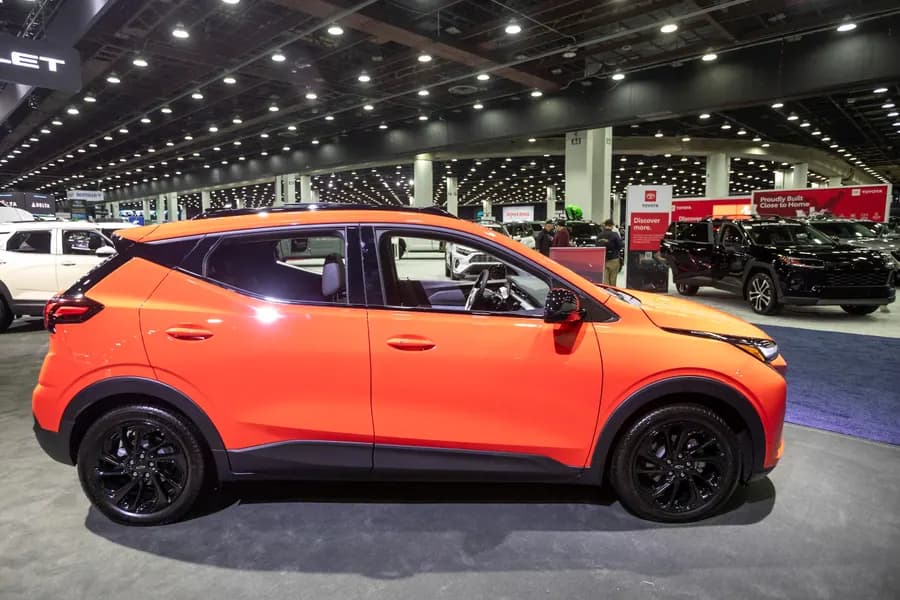
Starting at an MSRP of $28,995 (approx. KES 3.77 million), the revamped Bolt arrives at dealerships addressing its predecessor's flaws while retaining its status as GM's best-selling EV platform.
As the Kenyan government implements tax incentives to spur the adoption of electric mobility and reduce reliance on imported fossil fuels, the global price war in the entry-level EV market is perfectly timed to accelerate East Africa's transition toward sustainable, zero-emission transportation.
The 2027 Chevy Bolt is not merely a budget compromise; it is a serious technological contender. The base model undercuts its primary competitor, the Tesla Model Y (starting at $39,990 or approx. KES 5.2 million), by a massive margin. The Platinum+ trim caps out at $38,990, proving that premium features are no longer exclusive to luxury price brackets. The most significant engineering triumph of the new Bolt is the drastically improved charging architecture. Peak charging speeds have rocketed from a sluggish 55 kW to a robust 150 kW, allowing drivers to recharge from 10% to 80% in just 30 minutes under optimal conditions.
Crucially, General Motors has adopted the Tesla North American Charging Standard (NACS) port. This masterstroke grants Bolt owners immediate, adapter-free access to the expansive and highly reliable Tesla Supercharger network, eliminating the notorious range anxiety that plagues the EV adoption curve.
While the Bolt targets the US market, its pricing strategy resonates deeply in emerging economies. Nairobi is currently witnessing a surge in electric two-wheelers and commercial fleet transitions. The arrival of sub-KES 4 million electric SUVs makes private EV ownership a tangible reality for the expanding Kenyan middle class. However, this transition demands aggressive expansion of local charging infrastructure.
The automotive industry is engaged in a ruthless race to the bottom in terms of pricing, without sacrificing range or safety. The 2027 Chevy Bolt proves that the era of the overly expensive, niche electric car is concluding. As battery manufacturing costs continue to plummet, the internal combustion engine faces an insurmountable economic challenge from vehicles that are simply cheaper to buy and cheaper to run.
"Affordability is the ultimate catalyst for mass adoption; the new Bolt doesn't just change the market, it electrifies the mainstream," an automotive industry analyst commented.
Keep the conversation in one place—threads here stay linked to the story and in the forums.
Sign in to start a discussion
Start a conversation about this story and keep it linked here.
Other hot threads
E-sports and Gaming Community in Kenya
Active 9 months ago
The Role of Technology in Modern Agriculture (AgriTech)
Active 9 months ago
Popular Recreational Activities Across Counties
Active 9 months ago
Investing in Youth Sports Development Programs
Active 9 months ago