We're loading the full news article for you. This includes the article content, images, author information, and related articles.
A silent, winged invasion is underway in Nairobi, as climate change and rapid urbanization conspire to fill the city’s nights—and days—with the relentless hum of mosquitoes.
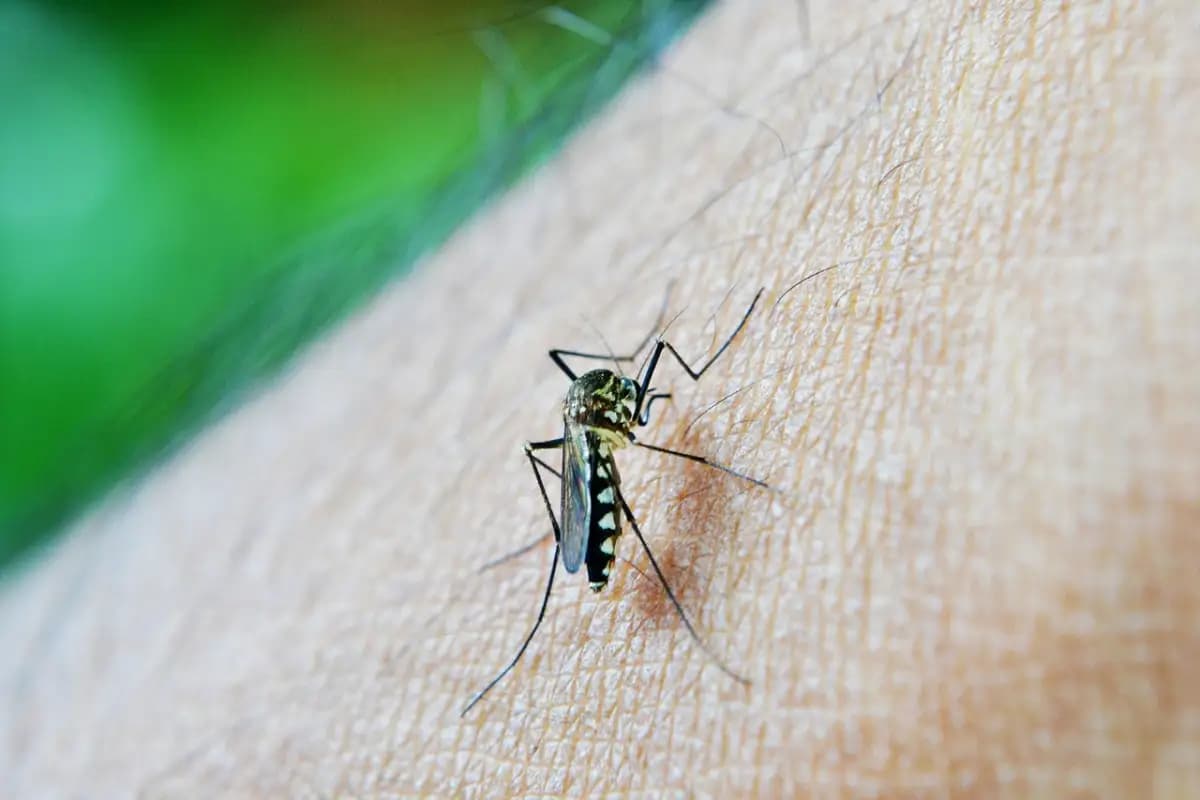
A silent, winged invasion is underway in Nairobi, as climate change and rapid urbanization conspire to fill the city’s nights—and days—with the relentless hum of mosquitoes.
They are no longer just a nuisance; they are an occupation force. Nairobians are scratching their heads—and their limbs—wondering why the mosquito menace has suddenly escalated. Social media is awash with complaints of sleepless nights and aggressive bites. The reality, confirmed by scientists, is that mosquito populations are surging, driven by a perfect storm of environmental changes. Dr. Eric Ochomo, a senior entomologist at KEMRI, confirms the data: "We are seeing an increase in numbers, and their behavior is adapting."
The culprits are two-fold. The Aedes mosquito, a bold, black-and-white striped aggressor, rules the day. It breeds in the detritus of the city—old tires, flower pots, and open tanks. Then comes the Culex, the night shift worker, whose loud buzzing and painful bite ruin sleep. Dr. Ochomo notes a disturbing trend: these insects are becoming "lazy and stubborn," lurking in homes and refusing to be swatted away.
The surge is not random. It is a symptom of a warming city. Rising temperatures accelerate the mosquito breeding cycle, allowing populations to explode in shorter windows. Coupled with erratic rainfall that creates stagnant pools, Nairobi has become a giant incubator. Urbanization adds fuel to the fire; concrete jungles trap heat, extending the warm conditions that mosquitoes thrive in.
While the malaria-carrying Anopheles is still rare in the capital, the explosion of Aedes and Culex is a public health warning light. Aedes is a vector for Dengue and Chikungunya, diseases that could easily take hold in a densely populated city. The "buzzing crisis" is a biological signal that our environment is out of balance.
The days of a mosquito-free high-altitude Nairobi may be over. As the city warms and expands, its residents must adapt to these uninvited guests. Bed nets, repellents, and clearing stagnant water are no longer optional; they are survival skills.
The buzz in the ear is a reminder: nature reacts to how we build and how we live. Until we address the root causes—climate resilience and urban sanitation—the mosquitoes are here to stay, and they are hungry.
Keep the conversation in one place—threads here stay linked to the story and in the forums.
Sign in to start a discussion
Start a conversation about this story and keep it linked here.
Other hot threads
E-sports and Gaming Community in Kenya
Active 9 months ago
The Role of Technology in Modern Agriculture (AgriTech)
Active 9 months ago
Popular Recreational Activities Across Counties
Active 9 months ago
Investing in Youth Sports Development Programs
Active 9 months ago