We're loading the full news article for you. This includes the article content, images, author information, and related articles.
In the shadow of Tsavo, a simple fence of beehives is proving remarkably effective at protecting crops, saving lives, and putting money in farmers' pockets—a Kenyan solution to a deadly conflict.
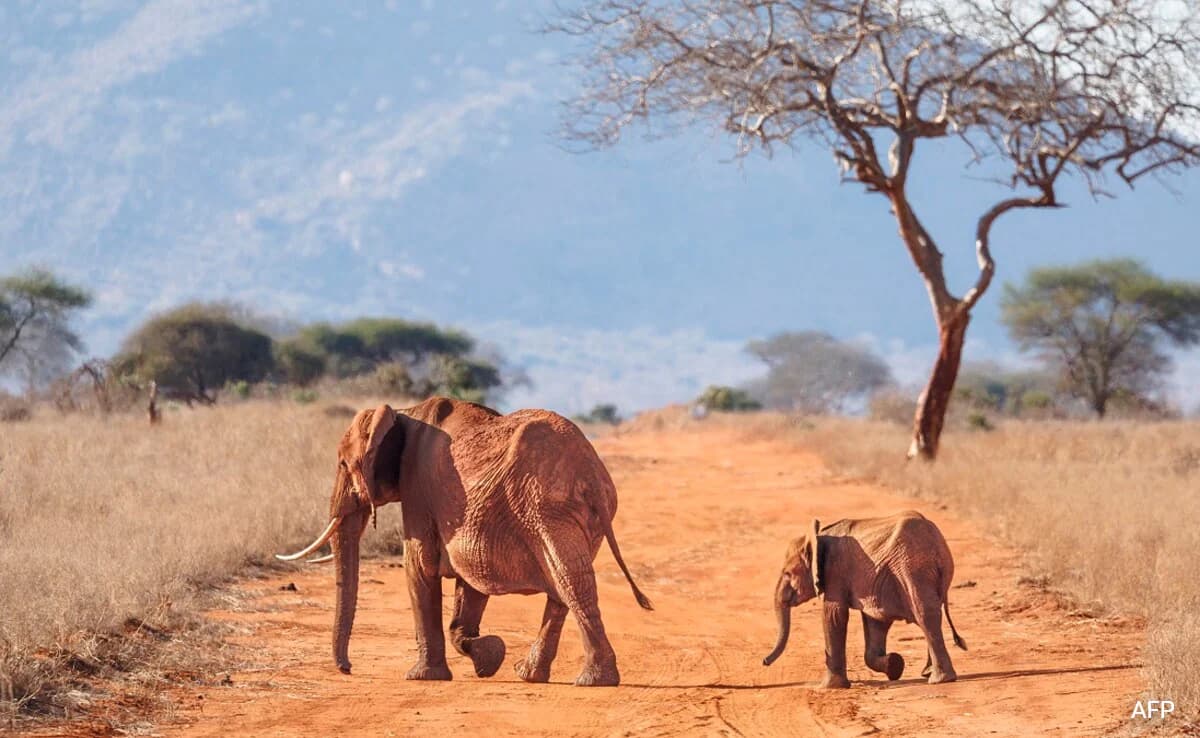
A humming wire fence is turning the tide in Kenya's long and often lethal struggle between farmers and elephants. This is not a barrier of electricity or thorns, but of bees—and it is proving to be a game-changer for small-scale farmers living near wildlife hotspots.
The stakes could not be higher. For generations, human-wildlife conflict has meant destroyed livelihoods and tragic deaths. This innovative, nature-based solution offers a rare piece of good news, providing not just security from marauding elephants but also a new source of income through honey, directly improving household finances.
The science behind the strategy is brilliantly simple, leveraging an elephant's innate fear of bees. [4] Pioneered by Dr. Lucy King with the organization Save the Elephants and Kenya Wildlife Service, the 'beehive fence' consists of hives connected by a wire. [4, 5] If an elephant attempts to push through, the wire shakes the hives, disturbing the bees and releasing an angry swarm. [6, 19, 20]
While an elephant's hide is thick, bees target sensitive areas like the eyes, ears, and the inside of the trunk, causing significant pain. [2, 13, 15] Research has shown that elephants will actively flee from the sound of buzzing bees alone. [7, 9] A nine-year study recently published confirmed the fences are up to 86% effective at deterring elephants during peak crop seasons. [3, 5]
This defence does more than just protect crops; it pays dividends. Farmers are trained in beekeeping, and the hives provide two major economic benefits:
The success has been so compelling that the concept is now being implemented in over 20 countries across Africa and Asia. [13, 20] In the Sagalla community near Tsavo, the project's success inspired residents to donate land for a dedicated Human-Elephant Coexistence Centre. [11]
The solution is not without its challenges. Researchers have noted that effectiveness can dip during severe droughts, which may cause bee colonies to abandon the hives. [3, 5] The fences are also designed for small, one- or two-acre farms, not vast agricultural landscapes. [15]
While bees are proving effective against elephants, the wider human-wildlife conflict continues. Encounters with hippos, for instance, remain a terrifying threat across Kenya, with studies showing a dramatic rise in conflict incidents due to land-use changes around wetlands. [16, 17] Hippos are estimated to kill around 500 people across Africa annually, making them one of the continent's most dangerous animals. [8] Communities continue to search for deterrents as effective as the beehive fence.
Still, the success of this Kenyan-born innovation offers a powerful model. As Dr. Patrick Omondi of the Wildlife Research and Training Institute emphasized, empowering communities to manage their own farm protection is crucial. [5] The beehive fence is more than a barrier; it is a symbol of coexistence, proving that sometimes the smallest creatures can solve the largest problems.
Keep the conversation in one place—threads here stay linked to the story and in the forums.
Sign in to start a discussion
Start a conversation about this story and keep it linked here.
Other hot threads
E-sports and Gaming Community in Kenya
Active 9 months ago
The Role of Technology in Modern Agriculture (AgriTech)
Active 9 months ago
Popular Recreational Activities Across Counties
Active 9 months ago
Investing in Youth Sports Development Programs
Active 9 months ago