We're loading the full news article for you. This includes the article content, images, author information, and related articles.
A high-stakes political duel is unfolding in the country’s vote-rich Mt Kenya region, where Gachagua and Kindiki fight for dominance.
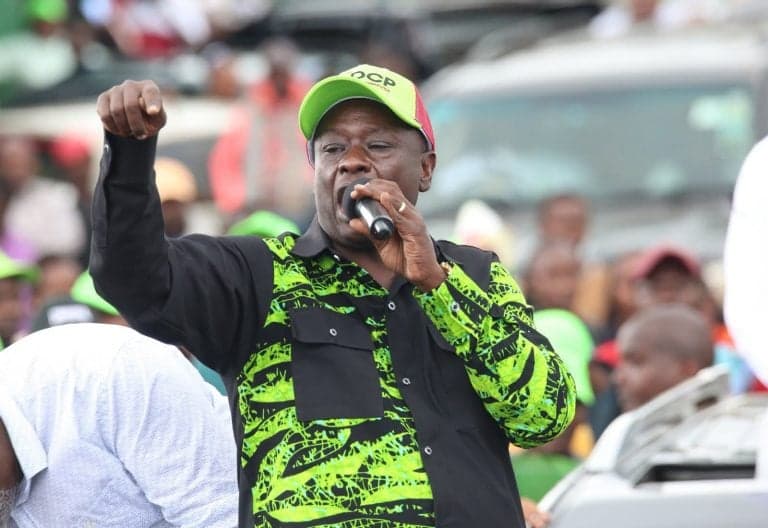
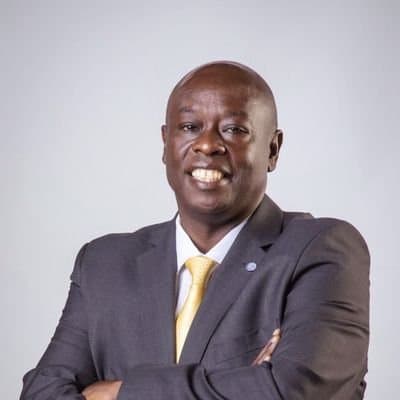
The silence of the highlands is deceptive. Beneath the veneer of a peaceful agricultural heartland, the political topography of Mt Kenya is currently fracturing under the weight of an escalating supremacy battle between two of its most prominent sons. Former Deputy President Rigathi Gachagua and the current occupant of the office, Kithure Kindiki, are locked in a high-stakes duel for the region’s political soul, one that is rapidly redefining the alliances and enmities of the 2027 electoral cycle.
This is not merely a clash of personalities it is a fundamental struggle for the title of the region’s kingpin—the arbiter of the Mt Kenya vote, a bloc that has historically acted as the kingmaker in Kenyan national politics. As the 2027 General Election looms, the rivalry between Gachagua and Kindiki has evolved from tactical maneuvers into a zero-sum game of legitimacy, with millions of voters in a historically cohesive bloc now finding themselves pulled between two increasingly divergent paths.
For decades, the Mt Kenya region has been synonymous with monolithic voting patterns, a strategic unity that allowed it to extract significant concessions from successive national governments. However, political analysts argue that this unity is currently in a state of rapid erosion. The emergence of the East-West divide—with Kindiki drawing strength from the counties of Meru, Embu, and Tharaka Nithi, and Gachagua retaining a fierce following in Nyeri, Kiambu, and Murang’a—has created a tactical opening for President William Ruto’s administration.
The implications of this schism are profound. According to recent political assessments, the region controls a significant share of the national vote—an estimated 5 to 6 million voters. When this block votes in unison, it acts as an immovable object in the path of any presidential candidate. When it is divided, its bargaining power is neutered. The current infighting is perceived by many observers as a strategic advantage for the ruling administration, which aims to neutralize the threat of a united opposition from the highlands.
Following his impeachment in late 2024, Rigathi Gachagua has wasted no time in reinventing himself as the militant voice of the mountain. By forming the Democracy for the Citizens Party (DCP), Gachagua has transitioned from a government insider to an opposition firebrand. His strategy is clear: focus on grassroots engagement and leverage a narrative of betrayal. He frequently reminds his supporters of the political price paid by the region for its 2022 support of the current administration, framing himself as the victim of a calculated plot to weaken the community’s influence.
His recent tours, particularly into the heartlands of Kindiki’s influence in the East, are not just defiance they are a calculated risk to prove that his appeal transcends the traditional Kikuyu heartlands. Gachagua’s rhetoric is sharp and unyielding, often labeling those who align with the government as political brokers who have sold out the region’s interests for personal gain. This strategy has resonated with a demographic feeling the pinch of economic pressure, yet it remains a high-wire act for a leader who must constantly prove his relevance outside the halls of the Deputy Presidency.
Conversely, Deputy President Kithure Kindiki has adopted a posture of institutional stability and statecraft. Having ascended to the Deputy Presidency in November 2024, Kindiki has worked to consolidate his authority through the machinery of the United Democratic Alliance (UDA). Unlike his predecessor, who leans on populism, Kindiki projects the image of a technocrat—a law professor and administrator who focuses on the delivery of government mandates and the integration of the region into the national development agenda.
His counter-strategy has been to emphasize development optics and national integration. By championing infrastructure projects and government appointments, Kindiki argues that the region’s future lies in its continued partnership with the central government, not in antagonistic opposition. This has forced him into a defensive role, where he must frequently address Gachagua’s charges of illegitimacy while simultaneously trying to project a sense of decorum and presidential-level responsibility. It is a balancing act that tests his ability to connect with the very grassroots base that Gachagua so effectively mobilizes.
As the political calendar moves closer to the 2027 elections, the economic anxiety within the region provides a volatile backdrop to this rivalry. High unemployment among the youth and fluctuating commodity prices for coffee and tea remain the primary pain points for the electorate. While Gachagua and Kindiki engage in this supremacy battle, the citizens of Mt Kenya are increasingly asking which of these leaders offers a tangible path to economic relief rather than just a narrative of ethnic or regional dominance.
The cost of this rivalry is already becoming visible in the regional political discourse. It has forced a reconfiguration of local governance, with county officials and MPs increasingly pressured to declare their allegiance publicly. This polarization threatens to sideline critical debates on local development, replacing them with a cycle of rallies and counter-rallies that consume the political oxygen in the region. The question that remains is whether this rivalry will produce a new, stronger consensus or leave the mountain fragmented, vulnerable, and ultimately sidelined in the next national administration.
The unfolding drama in the highlands is more than a dispute between two ambitious men it is a barometer for the health of Kenya’s democratic processes. Whether the region coalesces behind a new unity or remains irrevocably split between the populist fervor of the West and the institutional mandate of the East will arguably determine the outcome of the 2027 presidential election. Until then, the mountain watches and waits, caught in a tug-of-war that may leave the victor holding a crown of ashes.
Keep the conversation in one place—threads here stay linked to the story and in the forums.
Sign in to start a discussion
Start a conversation about this story and keep it linked here.
Other hot threads
E-sports and Gaming Community in Kenya
Active 10 months ago
Popular Recreational Activities Across Counties
Active 10 months ago
The Role of Technology in Modern Agriculture (AgriTech)
Active 10 months ago
Investing in Youth Sports Development Programs
Active 10 months ago
Key figures and persons of interest featured in this article