We're loading the full news article for you. This includes the article content, images, author information, and related articles.
**Once the face of Gen Z defiance, political activist Kasmuel McOure is hitting back at claims of betrayal, arguing his engagement with the state is a strategic evolution, not a sellout.**
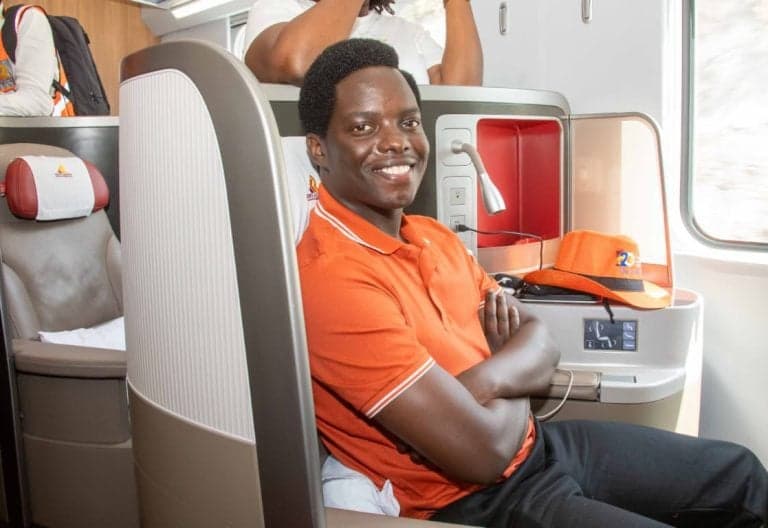
Kasmuel McOure, the activist who became an overnight icon during the 2024 Gen Z protests, is confronting a storm of criticism over his increasingly pro-government stance. To his detractors, his journey from a megaphone-wielding street leader to a political insider engaging with President William Ruto's administration is a profound betrayal of the very movement that elevated him.
The core of the issue lies in a fundamental clash of ideologies. The Gen Z-led protests were defined by their decentralized, leaderless nature, fueled by widespread disillusionment with the entire political class. McOure’s decision to join the Orange Democratic Movement (ODM) and his subsequent meetings with senior government figures were seen by many former allies as a co-option by the system they fought to change. The word “sellout” began to trend online as images of him with political leaders circulated.
McOure, however, frames his actions not as an abandonment of principles, but as a necessary tactical shift. He has consistently argued that engaging with elected officials is not betrayal, but a strategic move to influence policy from within. “This movement has never had one leader,” he has stated, pushing back against the idea that his actions could derail a leaderless uprising. He insists his goal is to ensure the youth have a direct seat at the table where decisions are made.
This philosophy culminated in the launch of his “Broad-Based Youth Front,” a movement designed to lobby the government directly, bypassing traditional political intermediaries. “I will not take direction from any politician who was not with me on the streets last year,” McOure asserted, positioning the front as an autonomous power center. His pledge of “full faith and support” for the Broad-Based Government is, in his view, a pragmatic step to hold it accountable.
His political maneuvering has been complex. While often referred to as an ODM youth leader, the party has clarified that the official President of the ODM Youth League is Johnmark Ketorah. McOure has downplayed the importance of titles, stating his commitment to the party is not about positions. He has also pushed back against criticism he deems rooted in tribalism, arguing his political ambitions are based on a vision for national unity.
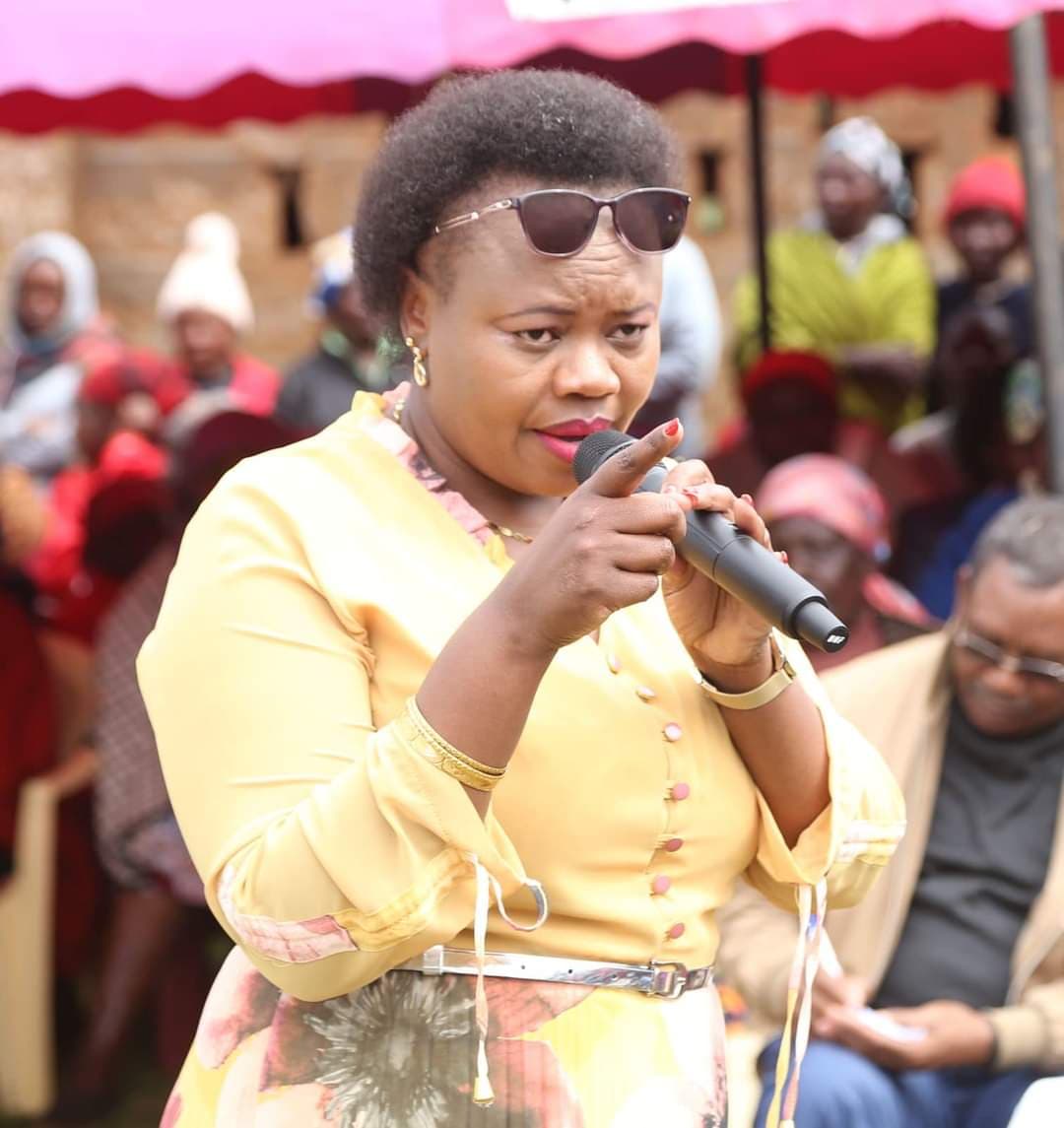
In a direct address to his critics, McOure has been defiant, challenging the notion that he should have remained a perennial street protester. Responding to Githunguri MP Gathoni Wamuchomba's questions of betrayal, he retorted, “You want me to die on the streets when I can tell you the truth when I meet you in person?” He argues that if elected leaders did their jobs, there would be no need for protests in the first place.
For many young Kenyans who faced police brutality during the 2024 protests, this explanation falls short. The memory of the state's violent response makes any alliance with it feel like a deep compromise. McOure’s journey from protest icon to political player highlights a crucial question for Kenya's youth: is change best achieved from the outside, on the streets, or from within the halls of power?
Keep the conversation in one place—threads here stay linked to the story and in the forums.
Sign in to start a discussion
Start a conversation about this story and keep it linked here.
Other hot threads
E-sports and Gaming Community in Kenya
Active 9 months ago
The Role of Technology in Modern Agriculture (AgriTech)
Active 9 months ago
Popular Recreational Activities Across Counties
Active 9 months ago
Investing in Youth Sports Development Programs
Active 9 months ago
Key figures and persons of interest featured in this article