We're loading the full news article for you. This includes the article content, images, author information, and related articles.
A presidential son’s digital diary offers a rare glimpse into the psychological toll of the conflict in Iran, with global ripples affecting Kenya.

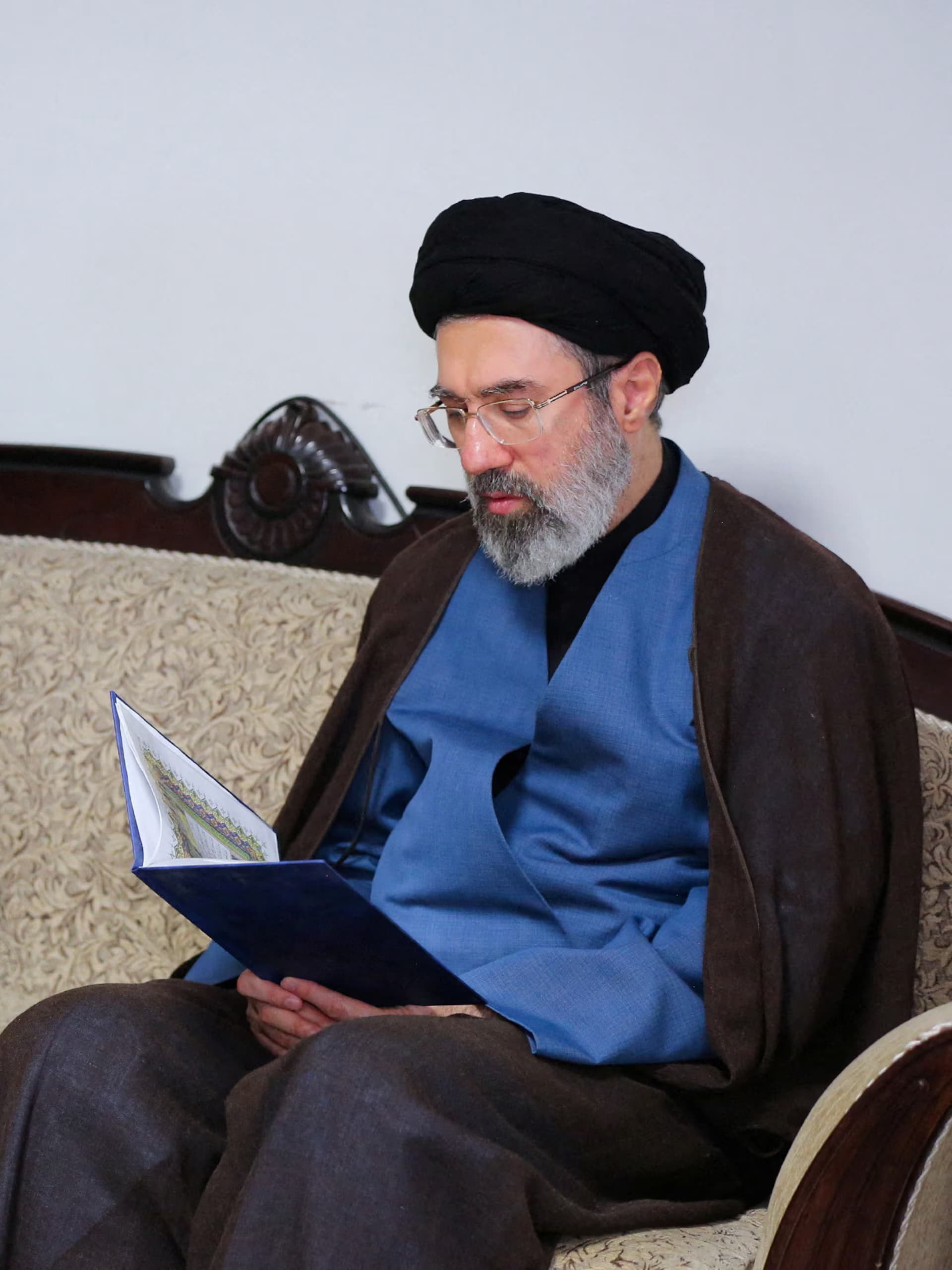
The notification pings on a Telegram channel, a jarring digital intrusion in the dead of a Tehran night. It is not an official missive from the Ministry of Foreign Affairs, nor a calculated statement from the Revolutionary Guard. It is a personal update from Yousef Pezeshkian, the son of Iran’s President Masoud Pezeshkian, describing the sound of incoming ordnance and the creeping terror that has defined the last three weeks.
As the Middle East grapples with the fallout of the US-Israeli joint military offensive, code-named Operation Epic Fury, the younger Pezeshkian has emerged as a profoundly unlikely narrator. While the state apparatus traditionally maintains a facade of stoic resilience, Yousef’s digital diary has peeled back the curtain, offering a rare, humanizing view of a regime in crisis. For global observers and the Kenyan business community currently navigating the turbulence of shifted trade routes and soaring energy prices, his posts provide an unfiltered, if deeply personal, metric of the war’s mounting pressure on Tehran’s elite.
Yousef Pezeshkian, who serves as a media adviser to his father, has utilized social media platforms—principally Telegram and X—to document the psychological toll of the conflict. His entries are a stark departure from the polished, often bellicose rhetoric typical of Iranian leadership. In recent posts, he has detailed the visceral reality of living under the shadow of aerial bombardment, recounting his own fear and the emotional strain of witnessing the societal breakdown around him.
This unconventional approach to political communication has fascinated and polarized observers. In one entry, he candidly admitted to feelings of anger and a desperate urge to weep, a display of vulnerability nearly unprecedented for a figure within the Islamic Republic’s power structure. He has used his platform to:
While Yousef’s diary offers an intimate view of the crisis in Tehran, the geopolitical reality of Operation Epic Fury has created immediate, tangible ripples across the Indian Ocean, landing squarely on the shores of East Africa. The disruption of shipping lanes through the Strait of Hormuz has forced a global logistical pivot, with profound consequences for the Kenyan economy.
The economic fallout of the conflict is no longer a distant theoretical concern for Nairobi. Market analysts at the Central Bank of Kenya have projected that the surge in global oil prices, triggered by the threats to maritime transit, will widen the national import bill by an estimated KES 45 billion in the coming quarter. This surge in energy costs is cascading directly into the price of diesel and transport, threatening to stifle the agricultural export sector—the lifeblood of the Kenyan economy.
However, the conflict has also inadvertently spotlighted Kenya’s infrastructure potential. The crisis has forced vessels to reroute around the Cape of Good Hope, with an increasing number of ships diverting to the Lamu Port to offload cargo. Having previously struggled to attract significant traffic, Lamu has recorded 74 vessel visits since the start of the year, a dramatic increase compared to the mere two container ships handled in the first quarter of 2025. This sudden surge in activity serves as a double-edged sword: while it signals a potential long-term boost for the LAPSSET corridor, it also highlights the urgent need for expanded capacity to manage the influx of displaced global shipping.
The dual role Yousef Pezeshkian occupies—as both a grieving, terrified son and a high-level presidential adviser—creates a complex friction in his communications. Critics within the regime may view his transparency as a liability, particularly as he challenges the wisdom of the government’s communication and internet control policies. Supporters, however, argue that his honesty is a calculated attempt to maintain a tenuous connection with a disillusioned public.
By acknowledging the government’s past mistakes—such as the heavy-handed response to recent protests and the continued suppression of information—he is signaling a departure from the monolithic approach of his predecessors. Yet, this strategy is not without its risks. As the war intensifies and the regime faces unprecedented military and internal pressure, the space for such dissent is narrowing. Whether his digital diary represents a genuine shift in political engagement or merely a desperate plea for relevance in a collapsing system remains the subject of intense debate among regional analysts.
As the international community watches the conflict unfold, the words of the president’s son offer a stark reminder that beneath the map-based strategies and economic projections, the conflict is, above all, a human tragedy. In Tehran, as in Nairobi, the true cost of the war is measured not in policy briefs, but in the daily endurance of those caught in the fallout of a geopolitical storm they did not choose.
Keep the conversation in one place—threads here stay linked to the story and in the forums.
Sign in to start a discussion
Start a conversation about this story and keep it linked here.
Other hot threads
E-sports and Gaming Community in Kenya
Active 10 months ago
The Role of Technology in Modern Agriculture (AgriTech)
Active 10 months ago
Popular Recreational Activities Across Counties
Active 10 months ago
Investing in Youth Sports Development Programs
Active 10 months ago
Key figures and persons of interest featured in this article