We're loading the full news article for you. This includes the article content, images, author information, and related articles.
The National Treasury reveals 234 critical projects are on the brink of collapse, exposing a flawed system that prioritizes foreign suppliers over Kenya's own development needs.
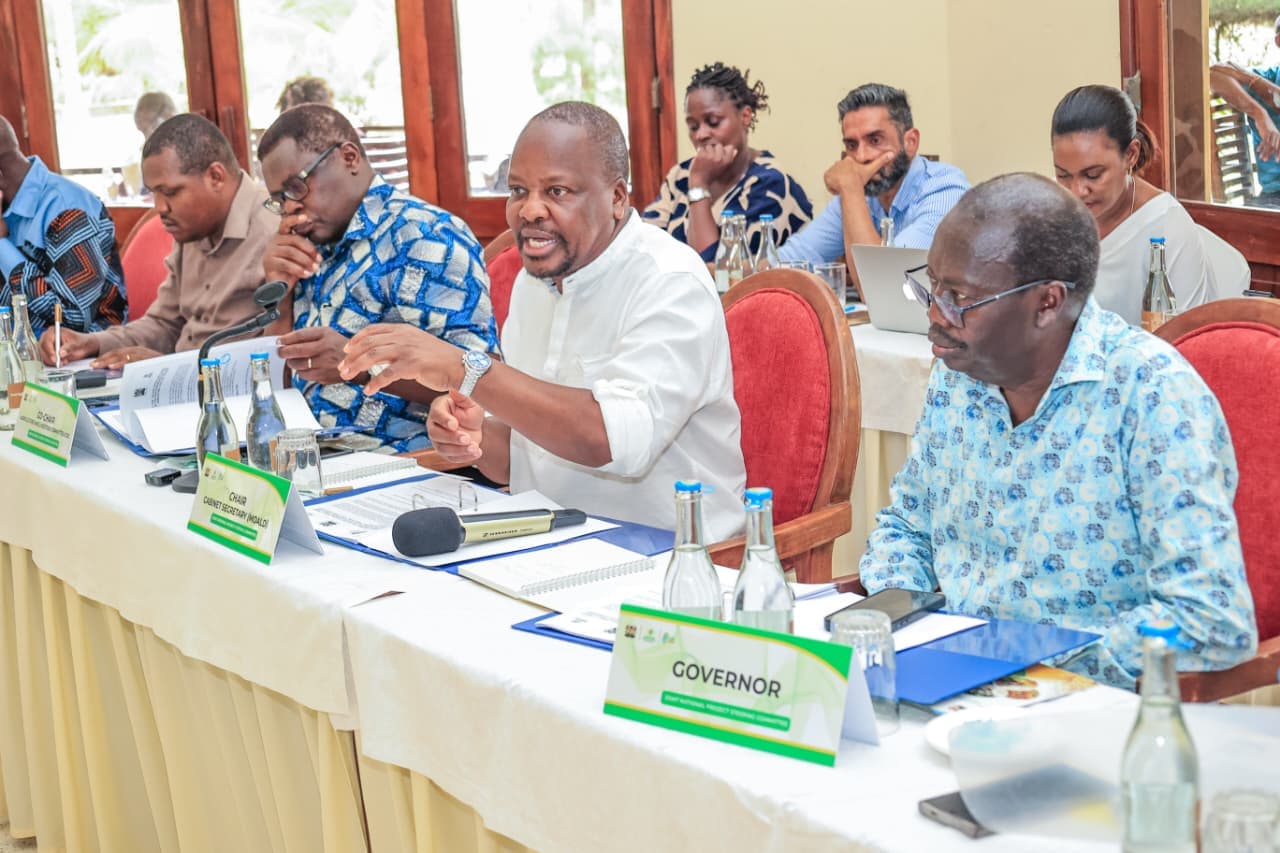
Hundreds of donor-funded projects across Kenya, valued at a staggering Ksh2.17 trillion, are at immediate risk of stalling, potentially leaving taxpayers to foot a Ksh130 billion bill for the government's failure to meet its share of funding.
This looming crisis stems from a Ksh130 billion shortfall in "counterpart funding"—the portion of project costs the Kenyan government is obligated to pay. The failure to provide these funds threatens to halt 234 initiatives in critical sectors, turning promised development into a costly liability for every Kenyan.
National Treasury Cabinet Secretary John Mbadi has launched a sweeping audit of the entire donor project portfolio, warning that the current financing model is fundamentally broken. Many projects, he noted, are designed around donor and foreign supplier interests rather than the urgent needs of the country. “It is because the donor funding we are getting in this country has to some extent relied on the suppliers. It's supplier-driven, not demand-driven,” Mbadi stated in a recent interview.
The core of the problem, according to the Treasury, is that projects are often initiated simply because a donor wishes to invest, not because they align with Kenya's strategic goals. This misalignment creates a dangerous financial burden, as the government struggles to raise its matching funds for projects that may not be a top priority. The Parliamentary Budget Office (PBO) echoed these concerns, highlighting that of the total project value, Ksh1.92 trillion is financed through loans and Ksh251 billion via grants, both requiring Kenya to pay its part before progress can be made.
This isn't just a matter of delayed development. When Kenya fails to meet its funding obligations, it often incurs hefty commitment fees and interest charges for idle loans—costs that are passed directly to the taxpayer. A recent report from the Auditor-General, Nancy Gathungu, revealed that taxpayers have already been billed billions in such “avoidable interest” due to weak contract oversight and payment delays on other donor-funded projects.
In response, the government has initiated a high-level review, involving the Deputy President's office, to scrutinize the entire project pipeline. The goal is to weed out low-value initiatives and ensure all future and ongoing projects are strictly aligned with national blueprints like Vision 2030 and the Bottom-Up Economic Transformation Agenda (BETA).
Analysts have long pointed to systemic weaknesses in the management of foreign aid, including:
This crisis forces a critical question: how can Kenya ensure that foreign financing actually builds the nation, rather than just benefiting external commercial interests? For the average Kenyan, the answer will determine whether their taxes go towards a new road, hospital, or school, or simply to pay penalties on a project that never breaks ground.
As the Treasury's audit unfolds, the government's ability to reform this broken system and reclaim control over its own development agenda remains a crucial test. The PBO warned that the risk of stalled projects remains high, posing a severe threat to Kenya's future.
Keep the conversation in one place—threads here stay linked to the story and in the forums.
Sign in to start a discussion
Start a conversation about this story and keep it linked here.
Other hot threads
E-sports and Gaming Community in Kenya
Active 9 months ago
The Role of Technology in Modern Agriculture (AgriTech)
Active 9 months ago
Popular Recreational Activities Across Counties
Active 9 months ago
Investing in Youth Sports Development Programs
Active 9 months ago
Key figures and persons of interest featured in this article