We're loading the full news article for you. This includes the article content, images, author information, and related articles.
Rukwa: The government will not tolerate irresponsible or unscrupulous officials who delay development projects through embezzlement, laziness, or complacency.

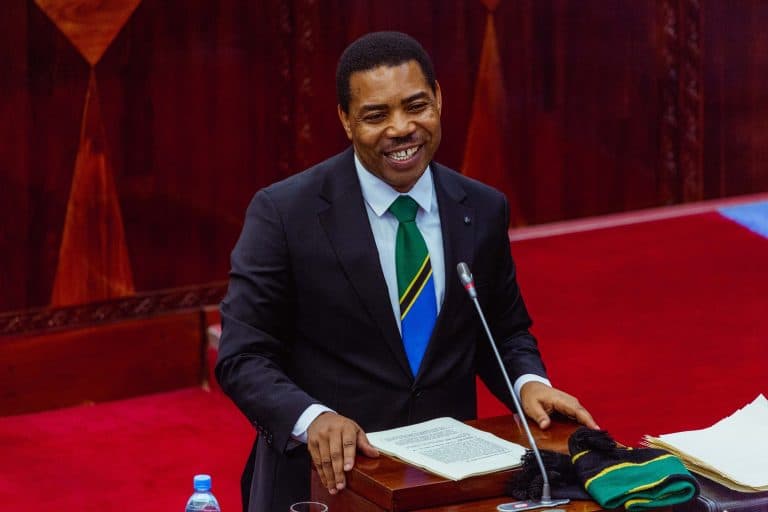
A school building intended to house the future leaders of Tanzania has already begun to crumble, serving as a jarring symbol of the systemic procurement failures that continue to plague public infrastructure projects. Prime Minister Dr. Mwigulu Nchemba, addressing residents in Nkasi District, Rukwa Region, has issued a stern ultimatum to local officials: corruption and incompetence will no longer be tolerated in the state’s development agenda.
The declaration, made during an official visit on Monday, comes as the government faces mounting pressure to deliver on the promises outlined in the CCM Election Manifesto for 2025–2030. At the heart of the Prime Minister’s frustration is a specific, high-profile case of procurement malpractice at Chala Secondary School, where construction of two new hostels and classrooms—costing approximately 310 million Tanzanian Shillings (roughly KES 15.8 million)—has yielded dangerously substandard results.
The situation at Chala Secondary School is a textbook example of how the erosion of oversight mechanisms compromises public safety and economic efficiency. According to reports from the site, the new facilities, which were meant to address the growing demand for secondary education in the region, developed significant structural fractures shortly after their completion. Investigations suggest that the integrity of the project was undermined by a conflict of interest, with a local district council official allegedly acting as both the supervisor and the supplier of materials.
By leveraging his position to supply construction materials at inflated prices, the official in question reportedly bypassed quality control standards. This practice, often referred to as "tender-preneurship," is a recurring blight on regional development projects across East Africa. Prime Minister Nchemba has directed the Prevention and Combating of Corruption Bureau (PCCB) regional commander to open an immediate investigation, emphasizing that accountability must start at the grassroots level.
The incident in Rukwa is not an isolated phenomenon but rather a reflection of broader challenges in infrastructure delivery across the East African Community. In Kenya, Uganda, and Tanzania, the gap between project allocation and project delivery remains a critical policy hurdle. Economists consistently argue that such instances of graft do not merely result in the loss of funds they represent a "multiplier of deprivation." Every shilling diverted through procurement fraud is a shilling taken from student desks, medical supplies, or essential electrical grid connections.
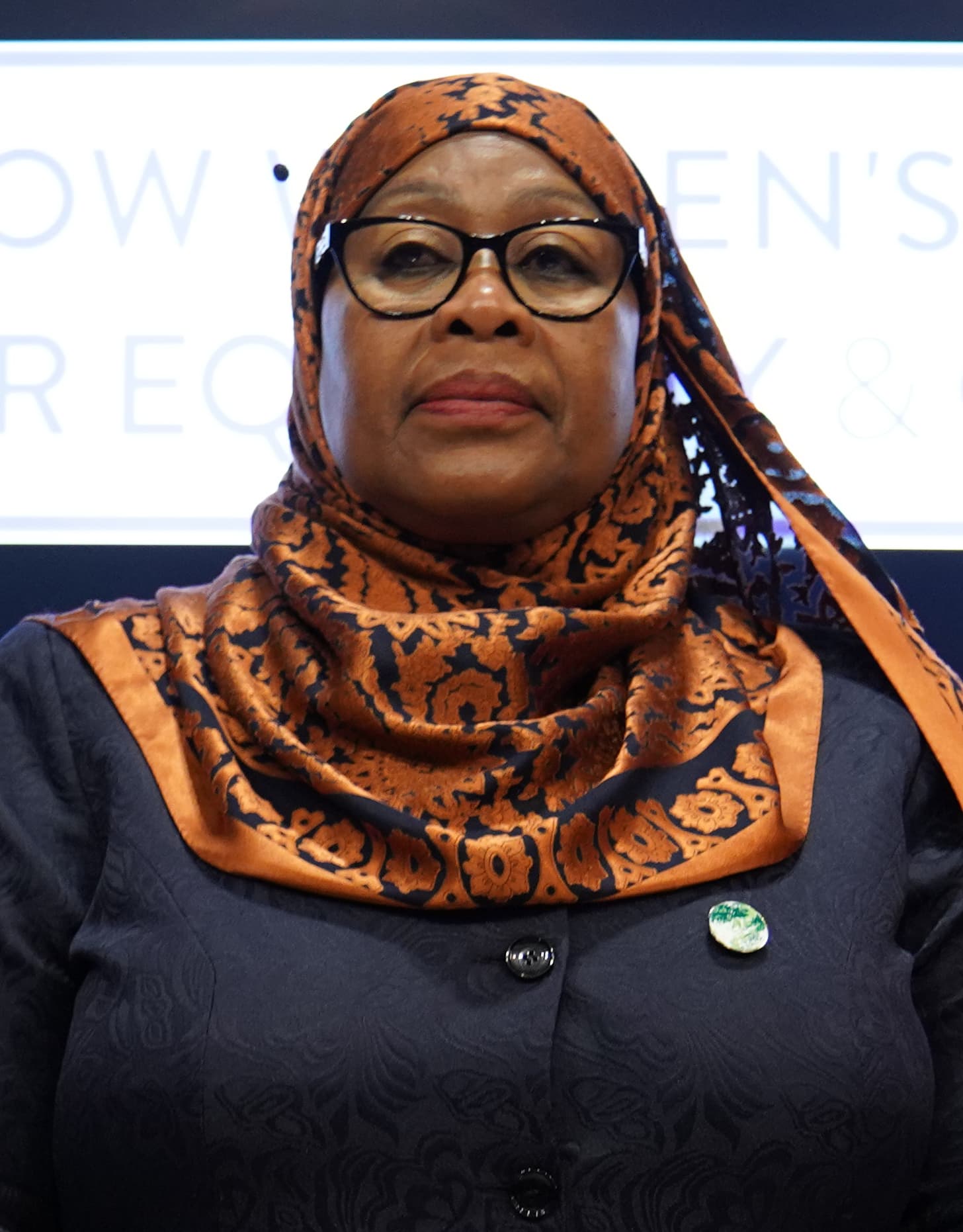
President Samia Suluhu Hassan’s administration has consistently linked national economic stability to the efficient completion of strategic infrastructure. By placing accountability at the center of the policy framework, the government aims to transform the nation into a more competitive investment hub. However, as the Chala Secondary School case demonstrates, administrative edicts from the national level often encounter resistance at the local district level, where bureaucratic networks are deeply entrenched.
The Prime Minister’s rhetoric marks a pivot toward more aggressive enforcement of public procurement regulations. By explicitly naming the potential for embezzlement, laziness, and selfishness, Dr. Nchemba is signaling a shift in the administration’s tolerance for underperforming leaders. This stance aligns with the broader governance reforms initiated in recent months, which emphasize the digitization of procurement through systems such as the national Electronic Procurement System (TANePS), intended to minimize human intervention and create audit trails.
However, critics note that legislation alone is insufficient without the strengthening of independent oversight bodies. The reliance on regional PCCB commanders to investigate their own colleagues presents a structural challenge. For reform to take root, observers suggest that the government must empower independent auditors and encourage whistle-blowing mechanisms that protect those who expose fraud in rural districts.
As the administration moves forward, the scrutiny on Rukwa’s projects will serve as a bellwether for the rest of the country. The directive is clear: in an era of constrained budgets and high public expectation, the government is no longer willing to fund the personal enrichment of a few at the expense of the many. Whether this renewed vigilance will translate into sustained institutional change remains the central question for the Tanzanian electorate.
The era of lenient oversight is ostensibly coming to a close for the residents of Nkasi District, the true test will be whether the crumbling walls of Chala Secondary School are repaired with integrity, or if they will remain a decaying monument to the costs of corruption.
Keep the conversation in one place—threads here stay linked to the story and in the forums.
Sign in to start a discussion
Start a conversation about this story and keep it linked here.
Other hot threads
E-sports and Gaming Community in Kenya
Active 9 months ago
The Role of Technology in Modern Agriculture (AgriTech)
Active 9 months ago
Popular Recreational Activities Across Counties
Active 9 months ago
Investing in Youth Sports Development Programs
Active 9 months ago
Key figures and persons of interest featured in this article