We're loading the full news article for you. This includes the article content, images, author information, and related articles.
The government collaborates with Swedish institutions to halve road fatalities by 2030 through advanced road safety engineering and strict enforcement.
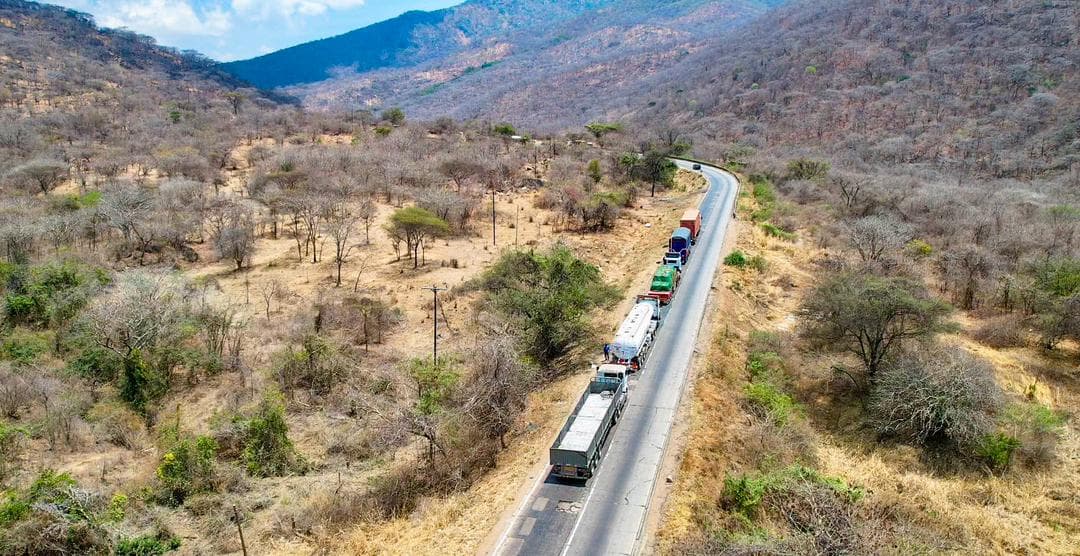
The Tanzanian government has launched a comprehensive infrastructural overhaul aimed at drastically reducing the alarming rate of traffic fatalities across its national highway network.
By integrating advanced European engineering protocols with rigorous domestic law enforcement, the state is addressing a critical public health crisis. This multilateral intervention is essential for safeguarding human capital and optimizing the transit corridors that fuel the broader East African logistics and trade economy.
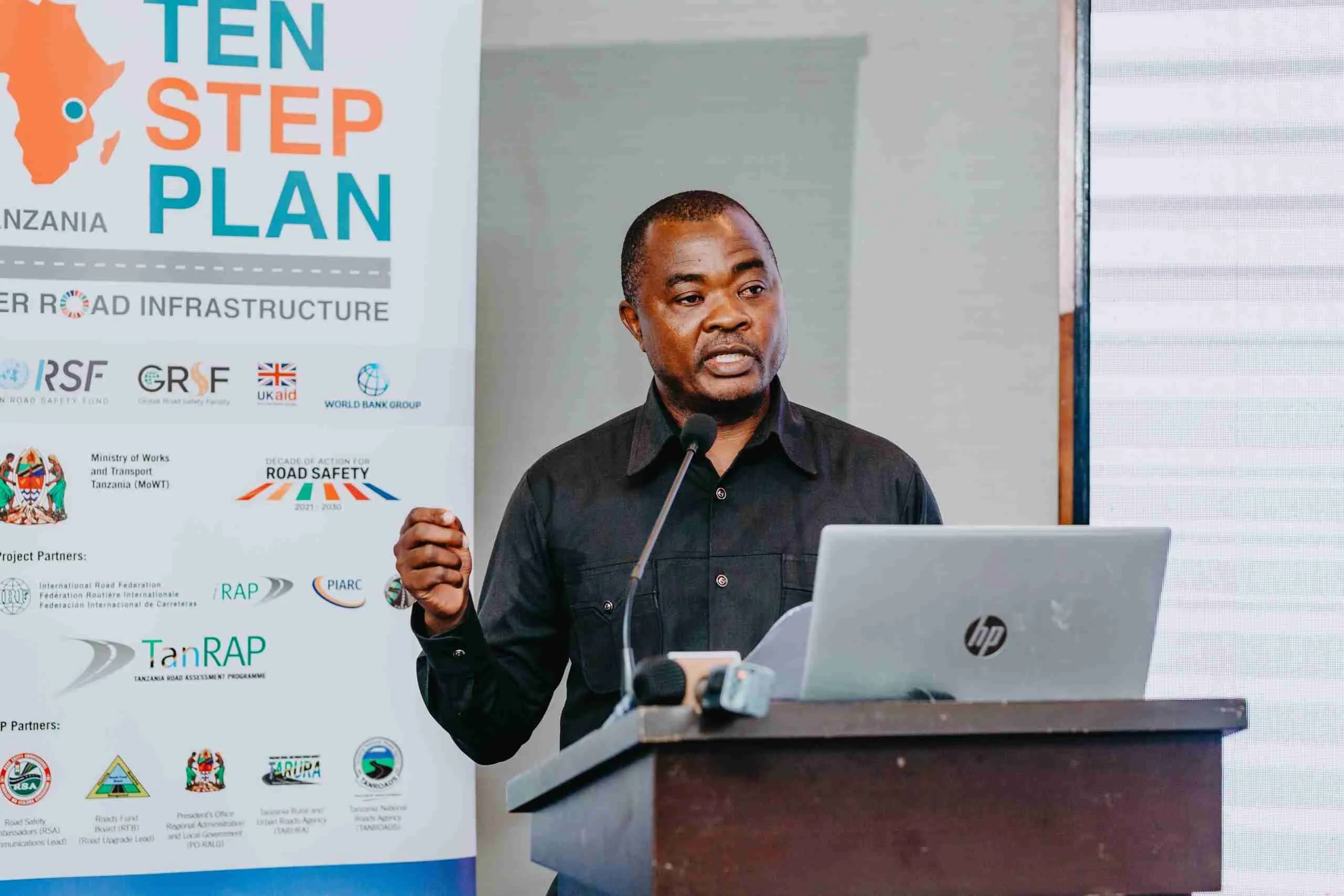
Spearheading this life-saving initiative is a strategic partnership orchestrated under the AfroSAFE project. The Ministry of Works has united with Lund University of Sweden and the University of Dar es Salaam to deliver intensive road safety audit training to civil engineers and urban planners. Dr. Charles Msonde, the Deputy Permanent Secretary, officially inaugurated the sessions in Dodoma on February 25, 2026. The curriculum is meticulously designed to sharpen the professional expertise of personnel from the Tanzania National Roads Agency (TANROADS) and the Tanzania Rural and Urban Roads Agency (TARURA).
The training curriculum transcends theoretical discussions, focusing on practical risk mitigation in infrastructure design. Engineers are being trained to identify and rectify existing topographical gaps, design flaws, and hazardous intersections that have historically contributed to high-impact collisions. This capacity-building exercise ensures that all future road construction and rehabilitation projects adhere strictly to the United Nations' standard of three-star or better safety ratings.
The urgency of this initiative is underscored by devastating global and domestic statistics. The Ministry of Works estimates that approximately 1.19 million people perish globally on roads annually, with tens of millions suffering permanent disabilities. In Tanzania, the economic haemorrhaging caused by these accidents is profound. Fatalities strip the workforce of productive citizens, while severe injuries place an unsustainable burden on the national healthcare apparatus.
Furthermore, vehicular destruction and chronic infrastructure damage exponentially increase maintenance expenditures for both the exchequer and private logistics operators. For a nation positioned as a crucial transit hub serving landlocked neighbors like Rwanda, Burundi, and Uganda, maintaining safe, hyper-efficient freight corridors is a matter of absolute national economic security.
Tangible infrastructural improvements are already materializing on the ground. Coinciding with the safety training, TANROADS recently completed a critical upgrade of the Wendele–Mlele trunk road in the Geita Region. This specific artery is a vital logistical lifeline linking Tanzania directly to Rwanda. The project involved elevating road embankments and constructing heavy-duty, multi-cell culverts in the Kanegere and Lubeho floodplains, which were severely compromised during the catastrophic 2023–2024 El Niño weather events.
By heavily fortifying these trade routes with superior hydrological engineering and installing highly visible safety signage, the government is ensuring uninterrupted cargo transportation. Kenyan logistics firms operating cross-border fleets stand to benefit immensely from these upgrades, as reduced transit times and lower collision risks directly translate into diminished insurance premiums and enhanced supply chain reliability across the entire East African bloc.
This localized effort is intrinsically linked to the Global Plan for the Decade of Action for Road Safety 2021–2030. The administration's stated objective is to reduce traffic accidents by at least 50 percent before the close of the decade. Environmental and safety directors are implementing zero-tolerance policies regarding substandard civil engineering practices.
"We are eliminating the margin for infrastructural error, ensuring that every kilometre paved is a kilometre engineered for absolute human preservation," declared Engineer Kashinde Mussa.
Keep the conversation in one place—threads here stay linked to the story and in the forums.
Sign in to start a discussion
Start a conversation about this story and keep it linked here.
Other hot threads
E-sports and Gaming Community in Kenya
Active 9 months ago
The Role of Technology in Modern Agriculture (AgriTech)
Active 9 months ago
Popular Recreational Activities Across Counties
Active 9 months ago
Investing in Youth Sports Development Programs
Active 9 months ago