We're loading the full news article for you. This includes the article content, images, author information, and related articles.
The Kenya National Highways Authority (KeNHA) has launched a relentless enforcement campaign targeting overloaded freight trucks exiting Mombasa, aiming to protect vital road infrastructure and curb a multi-billion-shilling maintenance crisis.
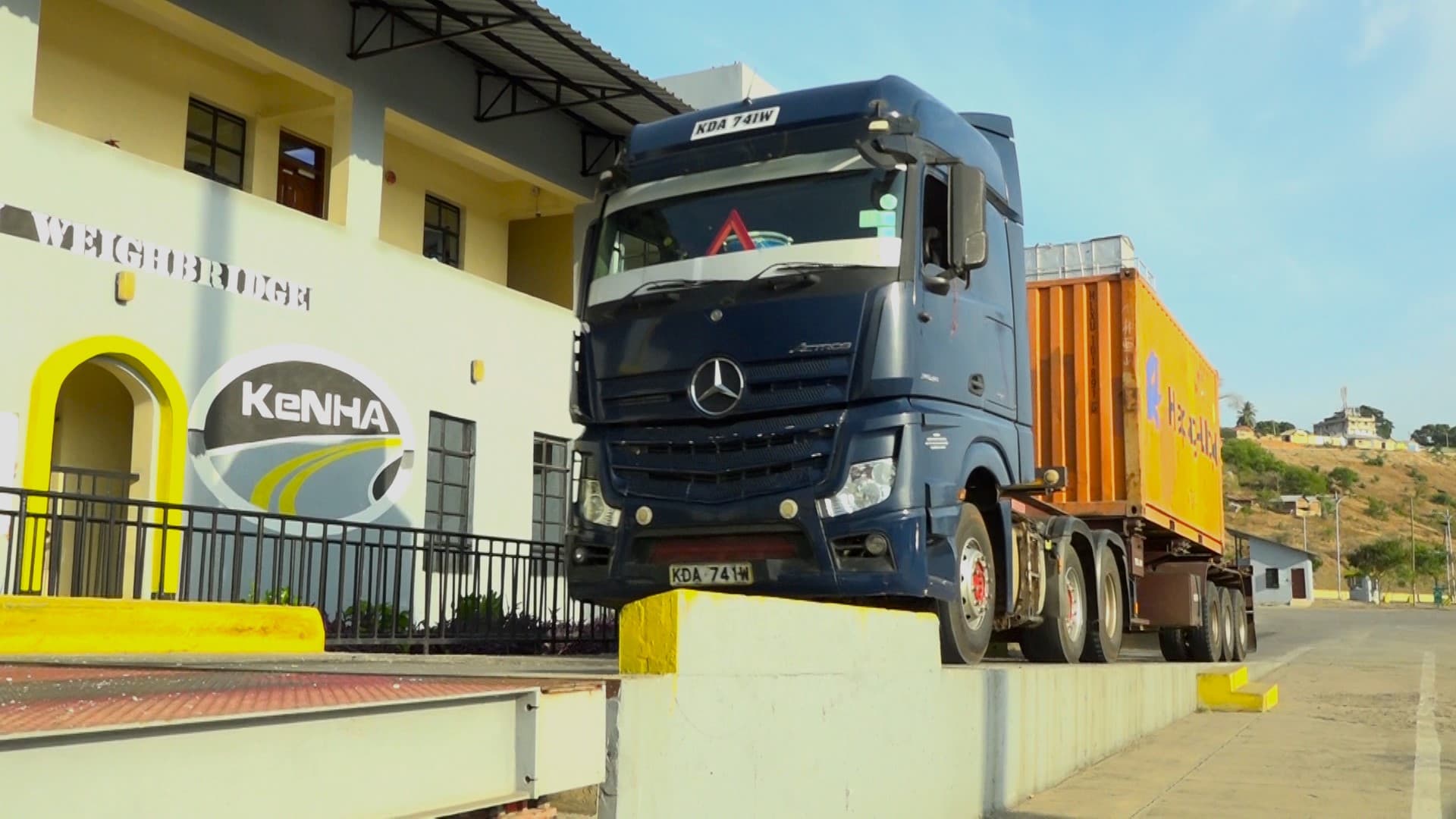
The Kenya National Highways Authority (KeNHA) has launched a relentless enforcement campaign targeting overloaded freight trucks exiting Mombasa, aiming to protect vital road infrastructure and curb a multi-billion-shilling maintenance crisis.
In a decisive move to preserve Kenya's critical transport networks, the Kenya National Highways Authority (KeNHA) has intensified its axle load enforcement operations at the strategic Dongo Kundu, Mariakani, and Mtwapa weighbridge clusters.
As cargo volumes surge from the Port of Mombasa into the East African hinterland, overloaded haulers have become the primary culprits behind rapid pavement degradation and escalating taxpayer burdens. This stringent crackdown is not merely a regulatory exercise; it is an economic imperative designed to safeguard the Northern Corridor, reduce fatal road accidents, and ensure sustainable freight logistics across the region, demanding absolute compliance from the powerful transport cartel.
The Northern Corridor, originating from the bustling Port of Mombasa, serves as the central, indispensable cardiovascular system of the East African economy. It facilitates the seamless, massive movement of essential goods—ranging from critical petroleum products to vital agricultural inputs—into the landlocked interiors of Uganda, Rwanda, Burundi, and the Democratic Republic of Congo. However, this monumental logistical undertaking places an unprecedented, crushing physical strain on Kenya's road infrastructure. KeNHA has identified rampant, chronic truck overloading as the single greatest existential threat to the longevity and safety of the national highway network.
To combat this destructive practice, KeNHA has initiated a ruthless, zero-tolerance enforcement campaign targeting the coastal weighbridge clusters. The Dongo Kundu, Mariakani, and Mtwapa facilities are the critical frontline fortifications in this infrastructural defense strategy. Staffed by 234 highly trained personnel and heavily reinforced by 79 armed police officers, these weighbridges process thousands of massive freight vehicles daily. Recent data released by the authority indicates an impressive 98.5 percent compliance rate at the Dongo Kundu facility, a monumental achievement attributed to aggressive, sustained stakeholder sensitization campaigns, stringent penalization, and the implementation of state-of-the-art, routinely calibrated weighing technologies.
Despite the high overall compliance rates, KeNHA officials face a persistent, highly technical challenge regarding the deliberate misuse of lift axles by unscrupulous transporters. Victor Kithome, the formidable Manager overseeing the coastal weighbridge network, has highlighted this specific malpractice as a primary catalyst for accelerated, localized road damage. Modern heavy-duty trucks are frequently equipped with lift axles—additional wheel sets designed to remain elevated when the vehicle is completely empty, thereby significantly reducing unnecessary tire wear and improving fuel efficiency.
However, a dangerous, deeply entrenched practice involves drivers deliberately operating fully loaded trucks with the lift axle intentionally raised. This calculated evasion tactic violently shifts the massive excess weight onto the remaining, overburdened axles. The concentrated, localized pressure exerts catastrophic, scientifically documented force on the asphalt, exponentially accelerating the formation of deep ruts, dangerous potholes, and catastrophic structural pavement failures. This not only dramatically shortens the designed lifespan of multi-billion-shilling infrastructure projects but also poses a severe, immediate safety hazard to smaller civilian vehicles forced to navigate the increasingly treacherous, degraded highway surfaces.
Addressing the complex crisis of overloaded trucks requires a comprehensive, unyielding strategy that transcends the mere imposition of heavy financial penalties at static weighbridges. KeNHA must continuously evolve its operational tactics to outmaneuver a highly adaptable and frequently non-compliant transport sector.
The preservation of Kenya's road infrastructure is a collective, monumental national responsibility. Every shilling forcefully diverted toward repairing avoidable, human-induced road damage is a shilling permanently stolen from vital public sectors such as healthcare, education, and social development.
By maintaining an uncompromising, technologically advanced stance on axle load enforcement, KeNHA is not just protecting asphalt and concrete; it is vigorously defending the foundational economic future and daily safety of the entire East African region.
Keep the conversation in one place—threads here stay linked to the story and in the forums.
Sign in to start a discussion
Start a conversation about this story and keep it linked here.
Other hot threads
E-sports and Gaming Community in Kenya
Active 9 months ago
The Role of Technology in Modern Agriculture (AgriTech)
Active 9 months ago
Popular Recreational Activities Across Counties
Active 9 months ago
Investing in Youth Sports Development Programs
Active 9 months ago