We're loading the full news article for you. This includes the article content, images, author information, and related articles.
Meta has blocked prominent US-based activist Mange Kimambi from Instagram after she mobilized massive online protests following Tanzania's disputed and violent October 29th election.
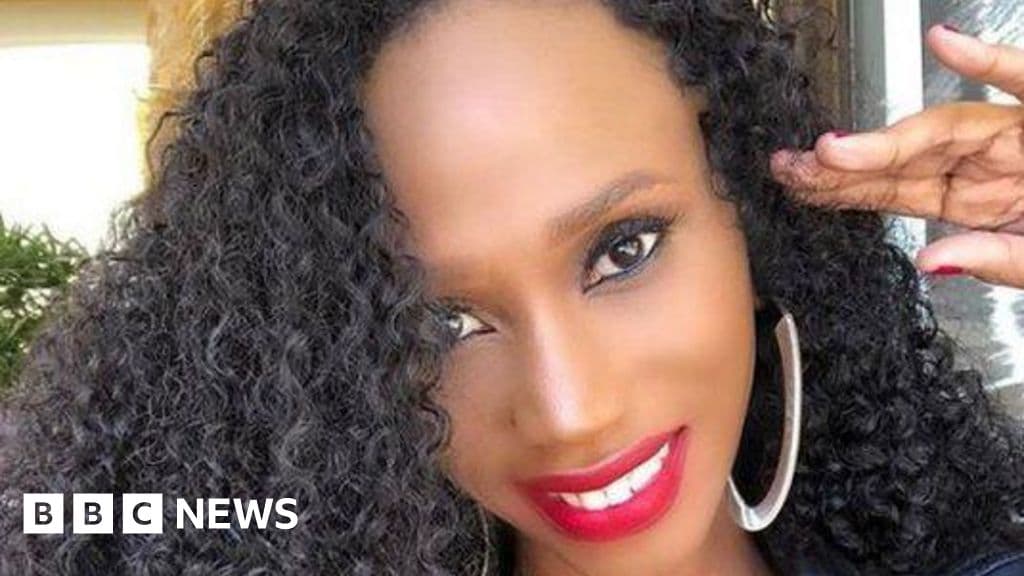
In a move decried by digital rights advocates as state-enabled censorship, US-based Tanzanian activist Mange Kimambi has been de-platformed from Instagram, silencing a powerful voice that reached millions. The shutdown of her accounts, which she used to coordinate protests against President Samia Suluhu Hassan’s government, marks a critical escalation in the battle between digital activism and state authority in East Africa.
This is more than a social media ban; it is a stark reminder of the fragility of online freedoms when challenged by state power. For Kenyans, who heavily rely on these same platforms for political discourse and mobilization, the events in Tanzania serve as a cautionary tale about the digital battlefield where fights for democracy are increasingly waged and suppressed.
Meta, the parent company of Instagram and WhatsApp, confirmed the removal of Kimambi's accounts. A spokesperson for the tech giant stated the accounts were removed for violating its "recidivism policy," which prohibits users from creating new accounts similar to those previously removed for breaking community standards. However, Meta also acknowledged it had restricted another activist's account, Maria Sarungi-Tsehai, within Tanzania following a direct "legal order from Tanzanian regulators."
Kimambi rejected Meta's reasoning, arguing her platforms were essential for organizing peaceful protests and documenting human rights abuses in a country where traditional media is effectively silenced. The Tanzanian government has been openly hostile towards her activism, with Attorney-General Hamza Johari vowing last month to have her arrested and extradited.
The digital crackdown follows a brutal state response to widespread protests that erupted on October 29th, the day of the general election. President Samia Suluhu Hassan secured a landslide victory with nearly 98% of the vote after her main opponents were barred from contesting. What followed was a wave of state-sponsored violence.
President Hassan has defended the use of force as "necessary" to prevent a supposed overthrow of the government. The violent aftermath and shrinking civic space have drawn sharp international criticism, with the United States announcing it is reviewing its relationship with Tanzania, citing concerns over free speech and human rights.
While the Tanzanian government spokesman, Gerson Msigwa, challenged Kimambi to "provide proof" of official involvement in her ban, the sequence of events has created a chilling effect. For activists across East Africa, including Kenya, it demonstrates a troubling playbook: delegitimize online dissent, exert legal pressure on tech giants, and ultimately, silence critical voices.
The situation leaves a critical question hanging over the region's burgeoning digital public square: Who has the ultimate power to decide what is legitimate protest and what is a policy violation? As one digital rights advocate noted, Meta's actions, regardless of intent, risk "enabling state censorship" at a time of unprecedented scrutiny. The answer will define the future of free expression for millions who depend on these platforms as a last resort for their voices to be heard.
Keep the conversation in one place—threads here stay linked to the story and in the forums.
Sign in to start a discussion
Start a conversation about this story and keep it linked here.
Other hot threads
E-sports and Gaming Community in Kenya
Active 9 months ago
The Role of Technology in Modern Agriculture (AgriTech)
Active 9 months ago
Popular Recreational Activities Across Counties
Active 9 months ago
Investing in Youth Sports Development Programs
Active 9 months ago
Key figures and persons of interest featured in this article