We're loading the full news article for you. This includes the article content, images, author information, and related articles.
Deepening political turmoil in Tanzania following a disputed presidential election is sending shockwaves across East Africa, raising urgent concerns for Kenya over vital trade links, economic stability, and regional security cooperation.

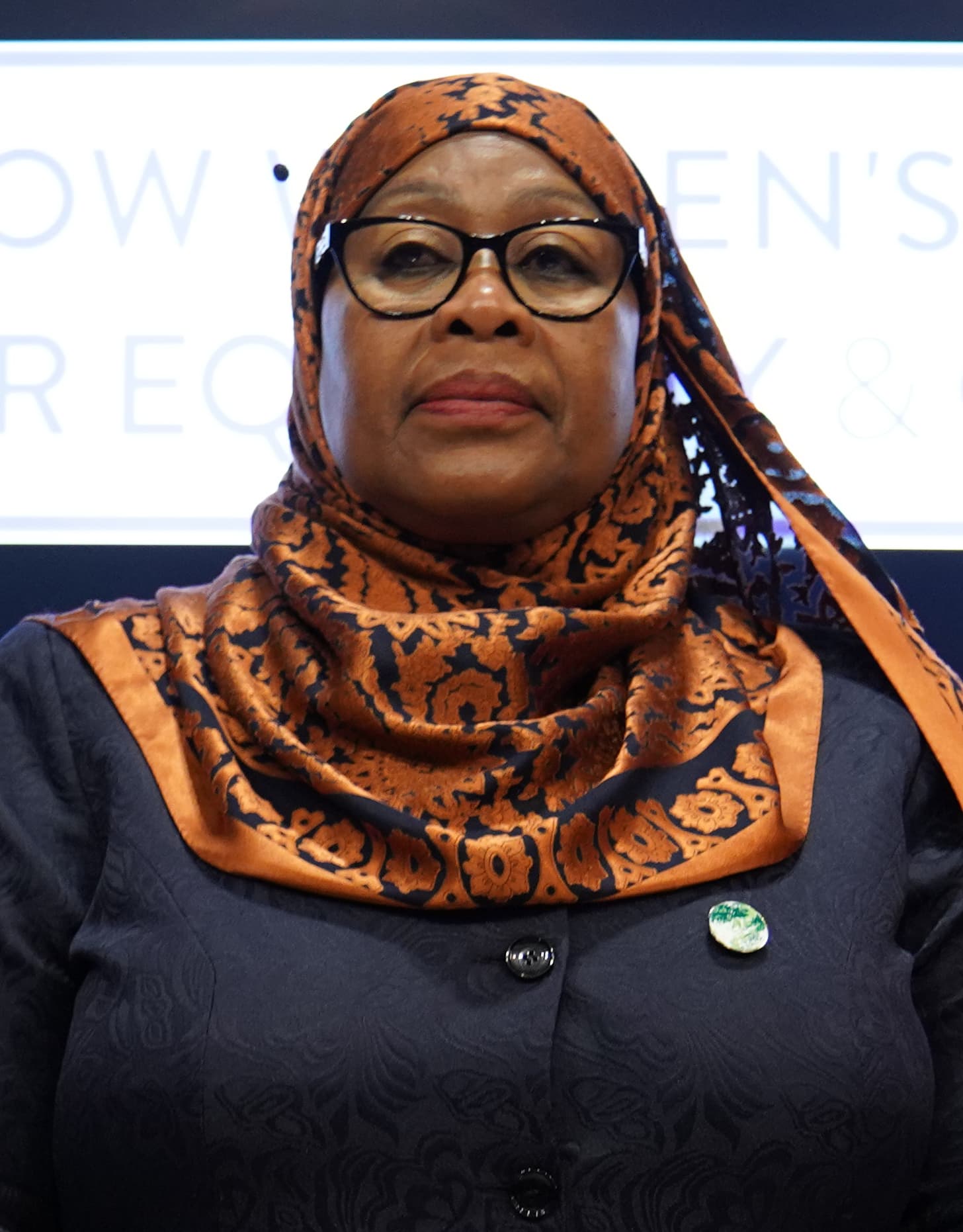
NAIROBI – Tanzania, a nation historically regarded as a bastion of peace in a volatile region, is grappling with a severe political crisis following the general election held on Friday, October 29, 2025, EAT. The Independent National Electoral Commission (INEC) declared incumbent President Samia Suluhu Hassan the winner with a landslide of approximately 98% of the vote. However, the election was marred by a boycott from the main opposition party, Chama Cha Demokrasia na Maendeleo (CHADEMA), the disqualification of other key opposition candidates, and widespread allegations of irregularities.
In the days following the vote, major cities including Dar es Salaam, Arusha, and Mwanza have been rocked by unprecedented protests. Human rights organizations have reported that security forces responded with lethal force, leading to multiple deaths and injuries. The government also imposed a nationwide internet shutdown for several days, disrupting communications and hampering the ability of observers and journalists to report on the events. The African Union's election observation mission delivered a damning preliminary report, concluding that the elections “did not comply with AU principles, normative frameworks, and other international obligations and standards for democratic elections.”
The instability in Tanzania poses a direct and significant threat to Kenya's economy. The two nations are deeply intertwined through robust trade, with Kenya exporting goods worth KSh 67.2 billion to Tanzania in 2024, while importing goods valued at KSh 58.72 billion. On Tuesday, November 4, 2025, EAT, the Kenya Association of Manufacturers (KAM) issued a stark warning about the potential fallout. KAM Chief Executive Officer Tobias Olando stated, “If there is chaos in Tanzania, it means our businessmen who are exporting their products to Tanzania are not able to access that market and we need to get concerned.”
The disruptions have already been felt at key border crossings like Namanga, where protests have halted the flow of goods and services. This directly impacts the trade of essential agricultural products, manufactured goods, and raw materials. Economic analyst David Namu Kariuki warned on Wednesday, November 5, 2025, EAT, that prolonged instability could erode regional investor confidence, lead to capital flight, and severely affect the tourism and hospitality industries which rely on cross-border travel.
Beyond the immediate economic impact, Tanzania's political crisis jeopardizes the broader East African Community (EAC) integration project and regional security architecture. Tanzania is a founding member of the EAC and hosts its headquarters in Arusha. Its stability is foundational to the bloc's ambitions for a common market, monetary union, and political federation.
The EAC's own Election Observation Mission, led by former Ugandan Vice-President Dr. Speciosa Kazibwe, has been criticized for its muted response compared to the AU's sharp critique. While the EAC mission called for peace and dialogue on Wednesday, November 6, 2025, EAT, its preliminary statement was seen by many as overly cautious and detached from the gravity of the situation on the ground. This has raised questions about the EAC's ability to enforce its own principles of good governance and democracy among member states.
Furthermore, Tanzania is a crucial partner in regional security, contributing to peacekeeping efforts in the Democratic Republic of Congo (DRC) and Mozambique. A protracted domestic crisis could divert its focus and resources, potentially weakening collective efforts to combat terrorism and transnational crime in the Great Lakes and Southern Africa regions.
The current crisis did not emerge from a vacuum. For years, opposition parties and civil society groups in Tanzania have campaigned for comprehensive constitutional and electoral reforms. CHADEMA's election boycott was based on a “No Reforms, No Election” stance, citing the lack of an independent electoral commission and a legal framework that they argue heavily favors the ruling Chama Cha Mapinduzi (CCM) party. The party's leader, Tundu Lissu, is currently facing treason charges, a move critics see as politically motivated to sideline him from the election. Despite initial hopes that President Samia Suluhu Hassan would steer the country back to a more democratic path after taking office in 2021, her administration has been accused of reverting to the repressive tactics of her predecessor. As Kenya and the wider region watch anxiously, the path Tanzania chooses in the coming weeks will be critical not only for its own future but for the stability and prosperity of all of East Africa.
Keep the conversation in one place—threads here stay linked to the story and in the forums.
Sign in to start a discussion
Start a conversation about this story and keep it linked here.
Other hot threads
E-sports and Gaming Community in Kenya
Active 9 months ago
The Role of Technology in Modern Agriculture (AgriTech)
Active 9 months ago
Popular Recreational Activities Across Counties
Active 9 months ago
Investing in Youth Sports Development Programs
Active 9 months ago
Key figures and persons of interest featured in this article