We're loading the full news article for you. This includes the article content, images, author information, and related articles.
Police declare Independence Day demonstrations illegal, citing plots to 'paralyze the economy'—but the opposition says it’s the only voice left after a bloody October election.

Tanzania’s police force has issued a stern, blanket ban on nationwide protests planned for Independence Day next Tuesday, December 9, effectively drawing a battle line against an opposition movement already reeling from a disputed election and the detention of its top leaders.
The declaration, made late Friday by Police Spokesperson David Misime, comes as the region holds its breath. For Kenya, the stakes are far higher than diplomatic neighborliness; instability in Tanzania threatens the Southern Corridor trade route, a critical artery for Kenyan goods, and raises the specter of a refugee crisis on our southern border.
In a televised statement that left little room for interpretation, Misime described the planned demonstrations—dubbed by organizers as "unlimited peaceful protests"—as a Trojan horse for anarchy. He alleged that intelligence reports pointed to a plot not just to march, but to "seize property, disrupt hospital services, and paralyze economic activity" until the government collapses.
"The Police Force is banning these demonstrations," Misime stated, warning that officers are under orders to "deal with" anyone who defies the directive. The language mirrors the harsh rhetoric used during the October 29 election fallout, where rights groups estimate hundreds of civilians were killed in clashes with security forces—a figure the government in Dodoma vehemently disputes.
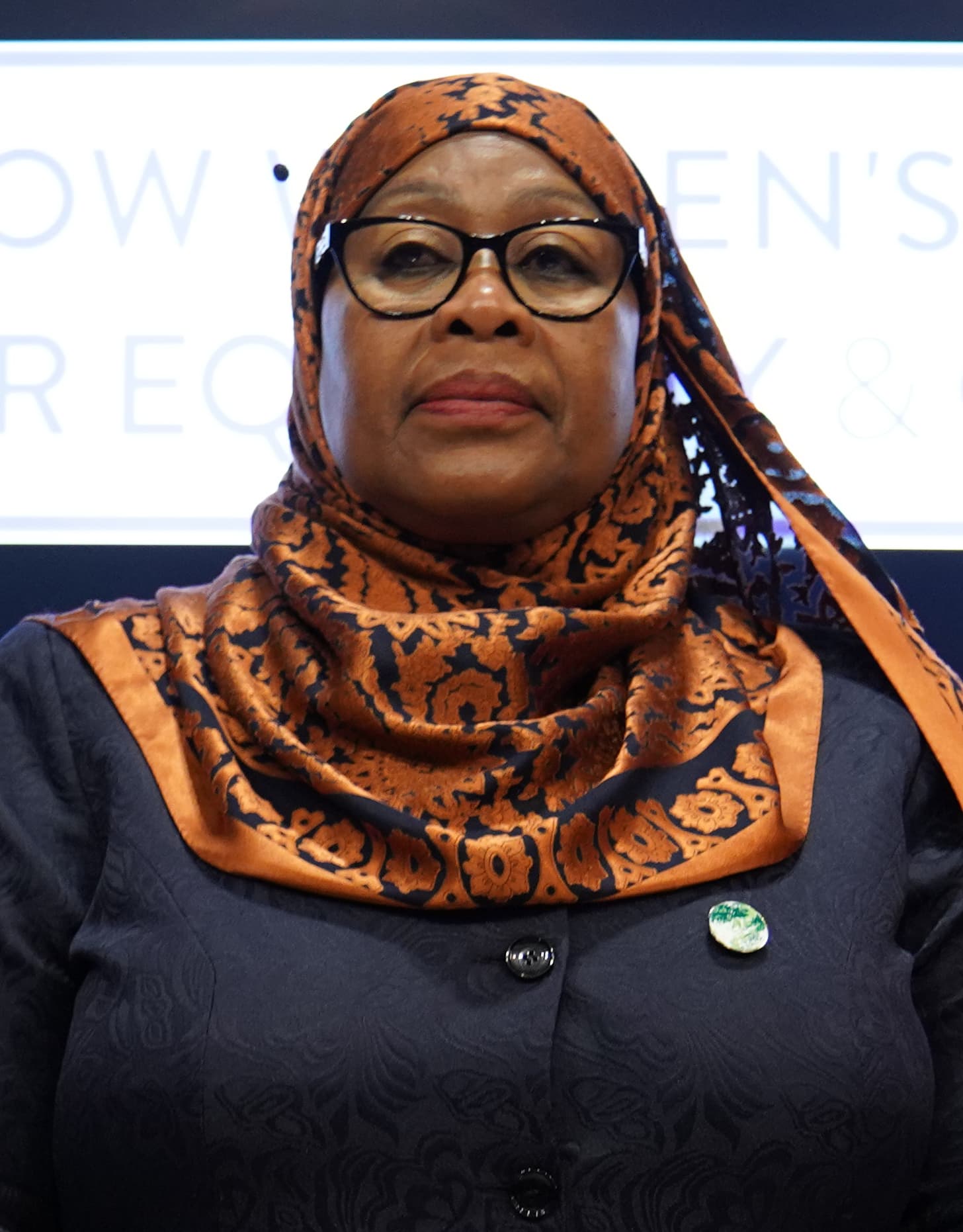
To understand why Tuesday’s planned protests are so combustible, one must look at the events of six weeks ago. President Samia Suluhu Hassan was declared the winner of the October poll with a staggering 98% of the vote—a margin that observers, including the United Nations, have flagged as statistically improbable and democratically alarming.
The aftermath has been brutal. The opposition Chadema party has been effectively decapitated:
For the average Kenyan trader moving goods through the Namanga border, this political paralysis is bad for business. The instability has already spooked foreign investors, with the UN Trade and Development body noting that while Tanzania attracted $1.72 billion (approx. KES 223 billion) in FDI last year, the current climate threatens to reverse those gains.
The ban has drawn immediate fire from global bodies. Seif Magango, spokesperson for the UN Office of the High Commissioner for Human Rights (OHCHR), urged Dodoma to reverse the "overbroad and disproportionate" measure. "We remind security forces they must refrain from using force to disperse non-violent assemblies," Magango said from Geneva, explicitly warning against the use of live ammunition—a grim reference to the October violence.
Despite the pressure, President Hassan remains defiant. Addressing a council of elders in Dar es Salaam earlier this week, she dismissed the external criticism and the protest threats with a single, chilling sentence: "Whenever they come, we are prepared."
As December 9 approaches—a day meant to celebrate freedom from colonial rule—Tanzanians find themselves asking a difficult question: Is the freedom to speak now as illegal as the protests themselves?
Keep the conversation in one place—threads here stay linked to the story and in the forums.
Sign in to start a discussion
Start a conversation about this story and keep it linked here.
Other hot threads
E-sports and Gaming Community in Kenya
Active 9 months ago
The Role of Technology in Modern Agriculture (AgriTech)
Active 9 months ago
Popular Recreational Activities Across Counties
Active 9 months ago
Investing in Youth Sports Development Programs
Active 9 months ago
Key figures and persons of interest featured in this article