We're loading the full news article for you. This includes the article content, images, author information, and related articles.
The Building a Better Tomorrow initiative targets youth empowerment across thousands of Tanzanian villages, setting a powerful, well-funded agricultural benchmark for the East African region.
The Building a Better Tomorrow initiative targets youth empowerment across thousands of Tanzanian villages, setting a powerful, well-funded agricultural benchmark for the East African region.
The Tanzanian government has decisively reaffirmed its unwavering financial commitment to dramatically transforming the national agricultural sector by actively empowering its vast, highly energetic youth population.
Backed by an unprecedented estimated budget of KES 19.3 billion (approx. USD 148.4 million), this massive, multi-year initiative represents a monumental, paradigm-shifting investment in continental food security. It fundamentally aims to completely eradicate systemic rural poverty while establishing a highly robust, totally sustainable economic model for the entire regional bloc.
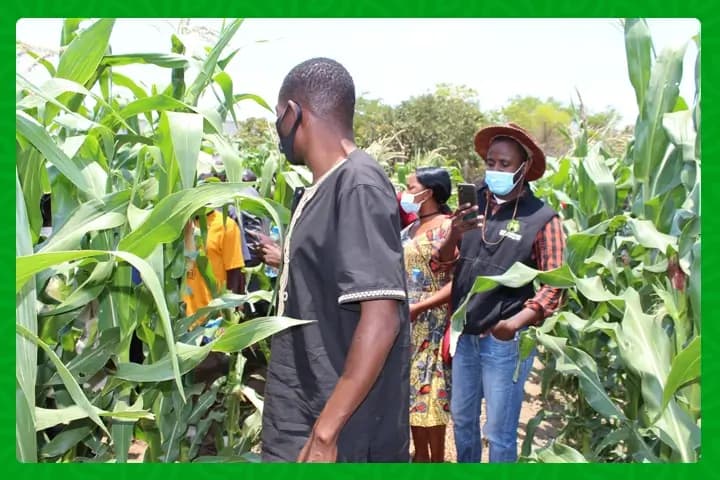
During a highly publicized, strategic field visit to a sprawling, modern farm operated by young program beneficiaries in Chinangali, Dodoma, Deputy Permanent Secretary Prof. Peter Msoffe delivered a highly impassioned, visionary address. He categorically assured the assembled youth that the current government remains firmly, legally committed to their long-term economic success. The Building a Better Tomorrow (BBT) Programme is meticulously structured around highly advanced, heavily scientific training modules and deeply modern agribusiness approaches.
Its primary, overarching goal is to massively increase raw crop productivity, generate sustainable, high-paying employment, and significantly boost the overall youth contribution to the broader national economy. With Tanzania proudly boasting one of the absolute youngest populations globally—featuring a median age of merely 18 years—the urgent, systemic need to smoothly transition this massive demographic into the highly profitable labor market is absolutely critical. The program explicitly seeks to actively dismantle the deeply entrenched, highly negative societal perception of manual agriculture among modern youth.
The ambitious, carefully designed BBT initiative aggressively targets the creation of at least one highly profitable, completely sustainable youth-led agribusiness in every single one of Tanzania's 12,000 distinct villages. By providing intensive, hands-on technical training and direct, unrestricted access to vital, modern agricultural technologies, the state is actively building an entirely new generation of sophisticated, highly skilled agri-preneurs.
Mr. Mtengwa Wema Mtengwa, a proud, highly successful program beneficiary, publicly detailed the massive, unprecedented governmental support he personally received. This included an extensive, fully funded five-month advanced course at specialized Agricultural Training Institutes and rigorous, disciplined preparation at the National Service. Furthermore, he was granted a highly coveted, fully funded opportunity to physically travel to South Africa to significantly enhance his advanced production and international export market skills.
Prof. Msoffe’s highly detailed, strategic field assessment clearly demonstrated the state’s unyielding, structural commitment to closely, rigorously monitoring the localized implementation of the BBT Programme. By actively ensuring absolute accountability at the grassroots, municipal council level, Tanzania is rapidly setting a highly enviable, incredibly high standard for neighboring, economically similar countries like Kenya and Uganda.
As the greater East African region continuously grapples with deeply alarming, skyrocketing youth unemployment rates and increasingly severe, unpredictable climate-related food insecurities, the BBT model offers a highly viable, deeply scalable solution. It seamlessly merges advanced, modern commercial education with heavily subsidized, massive infrastructural support.
"The government has provided substantial support, enhancing our capacity to engage in agriculture from a much more commercial perspective," Mtengwa proudly stated, signaling a remarkably bright, highly profitable future.
Keep the conversation in one place—threads here stay linked to the story and in the forums.
Sign in to start a discussion
Start a conversation about this story and keep it linked here.
Other hot threads
E-sports and Gaming Community in Kenya
Active 9 months ago
The Role of Technology in Modern Agriculture (AgriTech)
Active 9 months ago
Popular Recreational Activities Across Counties
Active 9 months ago
Investing in Youth Sports Development Programs
Active 9 months ago