We're loading the full news article for you. This includes the article content, images, author information, and related articles.
Tanzania’s government admits that changing the mindset of officials is the biggest hurdle to its latest 246-action business reform plan, MKUMBI II.

In a candid admission that highlights the structural bottlenecks plaguing East African economies, the Tanzanian government has identified a persistent, invisible barrier to growth: the mindset of the public officials meant to facilitate it. During a high-level review of the Second Business Environment and Investment Improvement Plan, known as MKUMBI II, held in Dar es Salaam on Friday, the Minister of State in the President’s Office for Planning and Investment, Kitila Mkumbo, laid bare the uncomfortable reality that reform is failing at the point of implementation.
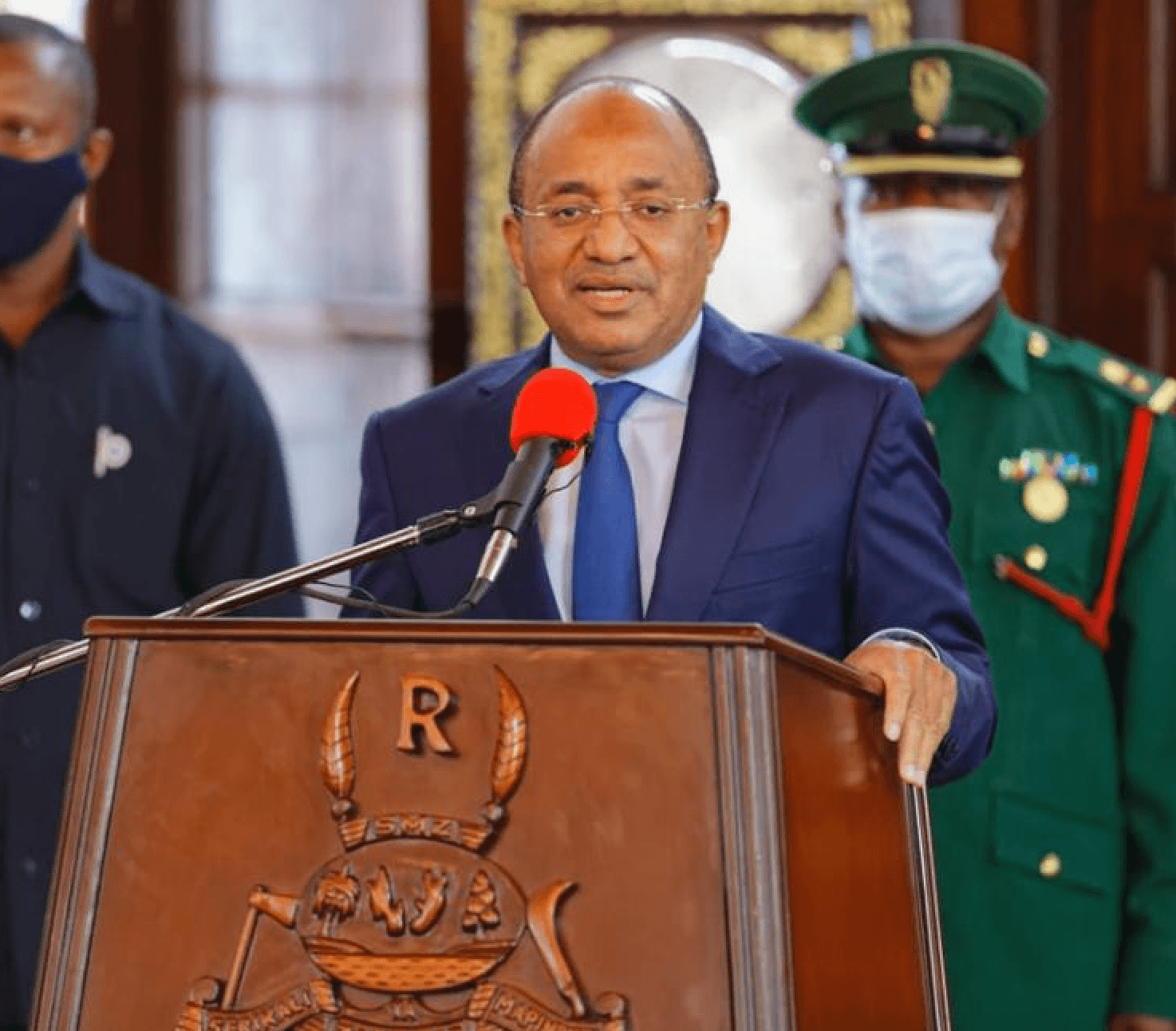
The declaration, made in the presence of Zanzibar President Hussein Ali Mwinyi, marks a pivotal moment in the country’s attempt to transition from a regulatory state to a facilitator of commerce. As regional competition for foreign direct investment intensifies, the admission signals that Tanzania is grappling with a legacy of administrative friction that extends far beyond outdated laws, rooting itself deep within the institutional culture of its regulatory bodies.
The MKUMBI II framework is a diagnostic masterpiece of the current Tanzanian business landscape. After months of scrutiny, the government has cataloged 59 distinct challenges that currently hinder operations for both local and international investors. These challenges are not merely procedural they represent a complex web of overlapping mandates, redundant licensing requirements, and a general lack of service-oriented delivery within the civil service.
The government has proposed a remedial roadmap comprising 246 specific reform actions, yet Minister Mkumbo emphasized that these legislative and structural adjustments are insufficient if the personnel executing them remain resistant to change. The core struggle is moving from a philosophy of enforcement—where the goal is to extract fees or find faults—to one of facilitation, where the goal is to maximize the velocity of business transactions.
For a business operating in the region, these hurdles translate into lost time and capital. In an economy where regional integration is expanding, companies often face compliance costs that can exceed millions of shillings annually. Whether it is a logistics firm in Arusha or a tech startup in Nairobi, the bureaucratic cost of doing business is effectively a tax on innovation, hindering the competitive parity required to thrive within the East African Community.
Perhaps the most significant revelation from the ministerial address is the acknowledged culture of mutual distrust. The relationship between the state and the private sector has long been marred by a fundamental misalignment of incentives. The government, in many instances, perceives private enterprise through a lens of suspicion, viewing business operators as potential tax evaders or rule-breakers to be contained.
Conversely, the private sector views the state apparatus as an antagonistic barrier to growth, characterized by opacity and inconsistent enforcement. This dynamic creates a vicious cycle. When businesses feel targeted by the state, they are less likely to invest in expansion, which leads to lower tax revenues, which in turn leads the state to implement more aggressive and restrictive enforcement mechanisms. Breaking this cycle requires more than just policy tweaks it requires a radical shift in institutional psychology.
Economists at the University of Dar es Salaam note that this tension is a common feature in developing markets undergoing rapid structural adjustment. While the top-level leadership—including President Samia Suluhu Hassan and Zanzibar President Mwinyi—is actively championing reforms to attract investment, the challenge remains ensuring that this vision permeates down to the desk level of district officers and regulatory inspectors who hold the ultimate power to approve or delay permits.
Tanzania’s push for reform is occurring in a highly contested regional environment. Kenya, Uganda, and Rwanda are all aggressively courting foreign direct investment, with each nation employing different strategies to improve their ease of doing business. For investors, the decision to domicile a regional headquarters often hinges on which country offers the path of least resistance.
Kenya has consistently focused on digitizing its service delivery, creating platforms like the e-Citizen portal to reduce human-to-human interaction and the corruption opportunities that come with it. If Tanzania successfully executes its 246 reform actions and manages to shift the mindset of its officials, it stands to leverage its significant geographical advantages, including its massive ports and access to the Southern African Development Community markets.
However, until the "lower levels" of implementation are aligned with the political will at the top, the risk remains that legislative progress will continue to be diluted by on-the-ground reality. The success of MKUMBI II will be measured not by the number of laws passed or the thickness of the policy documents produced, but by the tangible reduction in the time and costs associated with starting and operating a business in the country.
The government’s plan to prioritize these 11 key areas is a necessary start, but as analysts point out, the real work lies in the cultural re-engineering of the public service. Moving forward, the effectiveness of these reforms will depend on sustained oversight and a feedback loop that allows the private sector to report on the behavior of regulatory authorities without fear of retaliation.
If the Tanzanian administration can bridge the trust gap and incentivize its officials to act as partners in progress rather than gatekeepers, it could unlock significant economic potential. The country stands at a crossroads, with the political mandate for reform clear, but the implementation hurdles formidable. The ultimate question for investors and citizens alike is whether the inertia of the past can be dismantled quickly enough to capture the opportunities of the future.
Keep the conversation in one place—threads here stay linked to the story and in the forums.
Sign in to start a discussion
Start a conversation about this story and keep it linked here.
Other hot threads
E-sports and Gaming Community in Kenya
Active 10 months ago
The Role of Technology in Modern Agriculture (AgriTech)
Active 10 months ago
Popular Recreational Activities Across Counties
Active 10 months ago
Investing in Youth Sports Development Programs
Active 10 months ago
Key figures and persons of interest featured in this article