We're loading the full news article for you. This includes the article content, images, author information, and related articles.
A high-level national forum in Dar es Salaam has mapped out a science-driven blueprint to revolutionize Tanzania's fisheries and aquaculture sectors, anchoring growth on inclusivity and climate resilience.
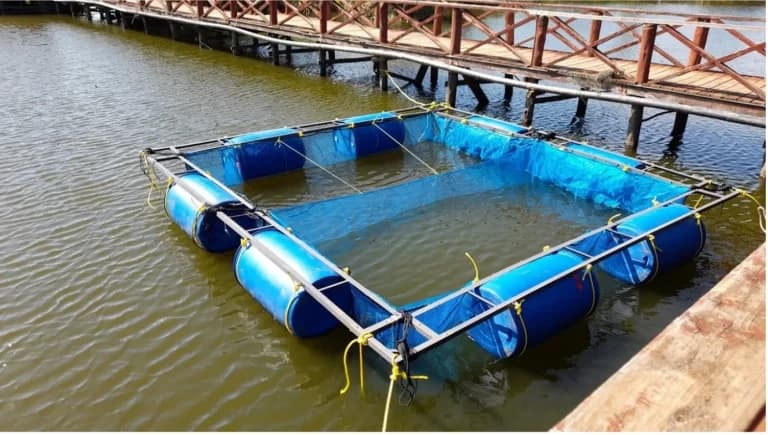
A high-level national forum in Dar es Salaam has mapped out a science-driven blueprint to revolutionize Tanzania's fisheries and aquaculture sectors, anchoring growth on inclusivity and climate resilience.
In a decisive move to harness its vast marine resources, Tanzania has convened a high-level forum in Dar es Salaam. The ambitious goal is clear: build a resilient, science-driven blue economy that leaves absolutely no one behind.
With global climate change threatening traditional terrestrial agriculture, aquatic food systems offer a vital, sustainable lifeline for East Africa. This strategic alignment between the Tanzanian government, WorldFish, and international development partners marks a critical, well-funded shift towards sustainable nutrition, poverty eradication, and massive job creation for youth and women in the region.
The forum brought together an unprecedented coalition of government leaders, elite researchers, private sector actors, and grassroots community representatives. Their primary objective was to co-design a comprehensive national Theory of Change. This ambitious roadmap is explicitly aimed at unlocking sustainable economic growth, guaranteeing food security, and drastically improving livelihoods through modernized fisheries and aquaculture. The high-level engagement was robustly supported by the Foreign, Commonwealth & Development Office and the CGIAR Sustainable Animal and Aquatic Foods Science Program. This backing underscores the rapidly growing alignment between cutting-edge scientific research, technological innovation, and actionable government policy in advancing Tanzania's core development priorities.
Dr. Ismael Kimirei, Director General of the Tanzania Fisheries Research Institute, officially inaugurated the forum. Representing the Ministry of Livestock and Fisheries, he signaled a profoundly strong government commitment to aggressively positioning fisheries as the primary drivers of national development. The strategy moves away from artisanal, subsistence fishing towards a highly commercialized, scientifically managed blue economy capable of competing on the global stage.
A recurring theme throughout the extensive deliberations was the absolute necessity of social inclusivity. Dr. Rahma Adam, Senior Scientist and Socio-Economic Impact Lead at WorldFish, delivered a powerful address stressing that inclusion must be the anchor of any sector transformation. She passionately argued that gender equality, youth participation, and disability inclusion are not mere optional add-ons or public relations buzzwords; they are the fundamental building blocks required to construct truly resilient and highly productive aquatic food systems. Stakeholders were urged to translate their lofty boardroom commitments into tangible, scalable national impact that reaches the most vulnerable coastal and inland fishing communities.
Speaking on behalf of UK International Development, Ms. Gloria Mramba reaffirmed the continued, steadfast partnership with Tanzania. She highlighted the critical need to advance climate-resilient systems that can withstand the increasingly erratic weather patterns affecting the Indian Ocean and major inland lakes like Victoria and Tanganyika. This international backing is crucial for funding the expensive technological upgrades required to modernize the sector.
The forum successfully identified several immediate priority actions. These include drastic reductions in post-harvest losses—a major issue that currently destroys millions of shillings worth of catch annually—and the enhancement of data-driven governance. By improving fish genetics and integrating sophisticated market systems, Tanzania aims to exponentially increase its aquatic export revenues. The collaborative approach ensures that policies are not dictated from the top down, but are meticulously co-designed with the communities that depend entirely on the waters for their survival. This paradigm shift guarantees better buy-in and long-term sustainability.
"This initiative reflects the Government's unwavering direction to harness aquatic resources for long-term prosperity while fiercely safeguarding sustainability and equity," Dr. Kimirei noted emphatically.
Keep the conversation in one place—threads here stay linked to the story and in the forums.
Sign in to start a discussion
Start a conversation about this story and keep it linked here.
Other hot threads
E-sports and Gaming Community in Kenya
Active 9 months ago
The Role of Technology in Modern Agriculture (AgriTech)
Active 9 months ago
Popular Recreational Activities Across Counties
Active 9 months ago
Investing in Youth Sports Development Programs
Active 9 months ago