We're loading the full news article for you. This includes the article content, images, author information, and related articles.
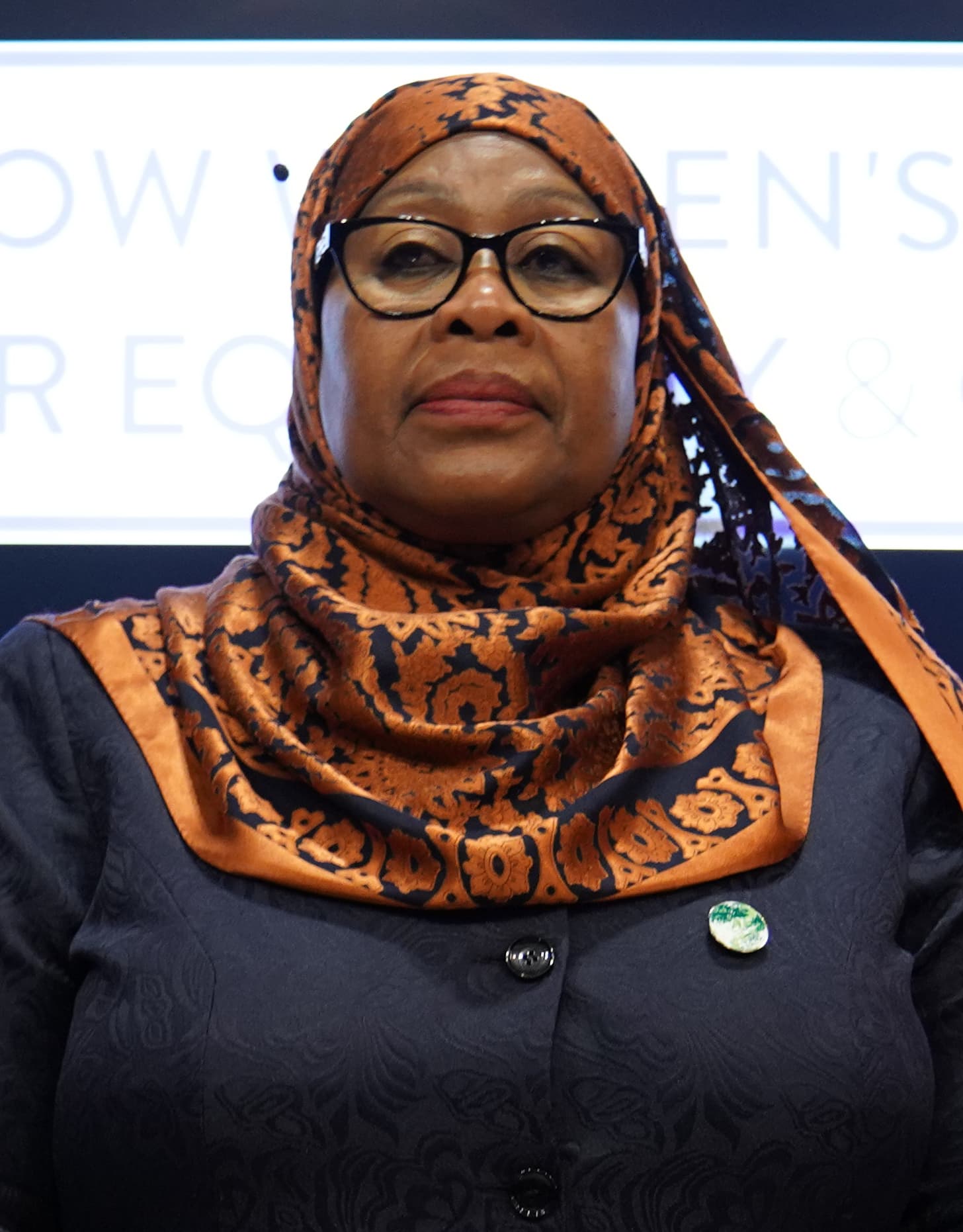
President Samia Suluhu leads celebrations as the national team scrapes through as a best third-placed side in Morocco, offering a blueprint for East African resilience ahead of 2027.
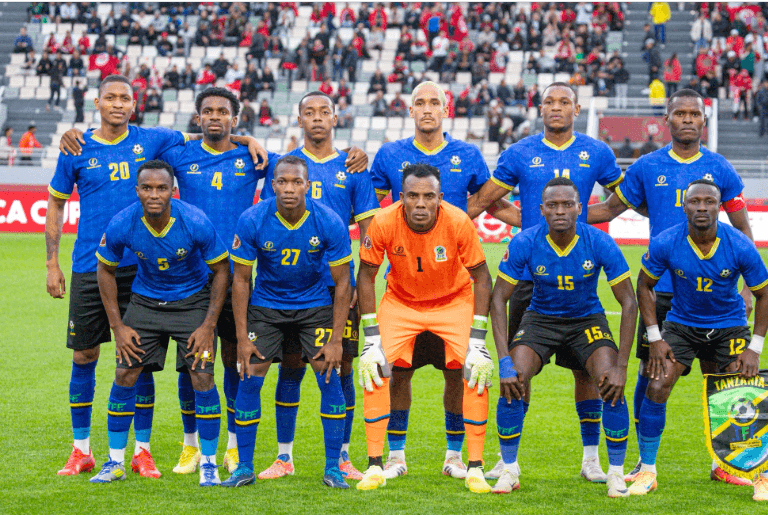
Against the backdrop of the Atlas Mountains in Rabat, the impossible has happened. Tanzania’s Taifa Stars have defied the odds, the pundits, and the crushing weight of history to book a spot in the Africa Cup of Nations (AFCON) Round of 16.
A gritty 1-1 draw against Tunisia on Tuesday night was enough to see the East African nation advance as one of the four best third-placed teams. While the math was agonizingly tight—Tanzania edged out Angola on goals scored after both finished with two points—the result is definitive. For the first time in 45 years, Tanzania is not packing its bags after the group stage.
This isn't just a win for Dar es Salaam; it is a wake-up call for Nairobi. As Tanzania celebrates a historic milestone, the focus shifts to how sustained state backing—spearheaded by President Samia Suluhu’s “Goli la Mama” campaign—is yielding returns that Kenyan football fans can currently only envy.
The road to the knockout stage was paved with nail-biting tension. Drawn in Group C alongside heavyweights Nigeria, Tunisia, and regional rivals Uganda, few gave the Stars a chance. Yet, their resilience was the difference.
“We refused to die,” said team captain Mbwana Samatta, whose leadership has been instrumental. “We knew one point could change everything. We fought for every blade of grass.”
President Samia Suluhu Hassan was quick to laud the team, terming them “heroes of the nation.” But her support has been more than just rhetorical. The “Goli la Mama” initiative, which rewards the team financially for every goal scored, has injected a mercenary zeal into the squad.
Under the current structure, each group stage goal earns the team 10 million Tanzanian Shillings (approx. KES 480,000). With three goals in the bag, the squad has already pocketed TZS 30 million (approx. KES 1.4 million) in bonuses alone, excluding match allowances.
Sources within the Tanzania Football Federation (TFF) indicate that the stakes have now been raised. A win in the Round of 16 could trigger a reward package upwards of TZS 500 million (approx. KES 24 million). It is a level of incentivization that stands in stark contrast to the often delayed or non-existent allowances that plague other regional federations.
While Kenyans watch the tournament from home, the success of our southern neighbors offers a critical lesson ahead of the 2027 AFCON, which Kenya will co-host with Tanzania and Uganda. Tanzania has shown that infrastructure and investment must precede results.
Analysts note that while Kenya struggles with stadium readiness, Tanzania’s Benjamin Mkapa Stadium has been hosting high-level CAF fixtures regularly. The on-pitch success is a lagging indicator of off-pitch organization.
“Tanzania didn’t just get lucky,” noted regional football analyst Patrick Gacheru. “They have a President who treats football as a diplomatic asset, not a recreational afterthought. That is the energy we need in Nairobi if we want to avoid embarrassment in 2027.”
As the Taifa Stars prepare to face hosts Morocco in what promises to be a fiery knockout clash, they carry not just the hopes of Tanzania, but the pride of East Africa. For now, the noise from Dar es Salaam is deafening, and rightly so.
Keep the conversation in one place—threads here stay linked to the story and in the forums.
Sign in to start a discussion
Start a conversation about this story and keep it linked here.
Other hot threads
E-sports and Gaming Community in Kenya
Active 9 months ago
The Role of Technology in Modern Agriculture (AgriTech)
Active 9 months ago
Popular Recreational Activities Across Counties
Active 9 months ago
Investing in Youth Sports Development Programs
Active 9 months ago
Key figures and persons of interest featured in this article