We're loading the full news article for you. This includes the article content, images, author information, and related articles.
Murang’a converts a massive mango surplus into school meals for Nairobi, saving farmers from losses and boosting child nutrition.
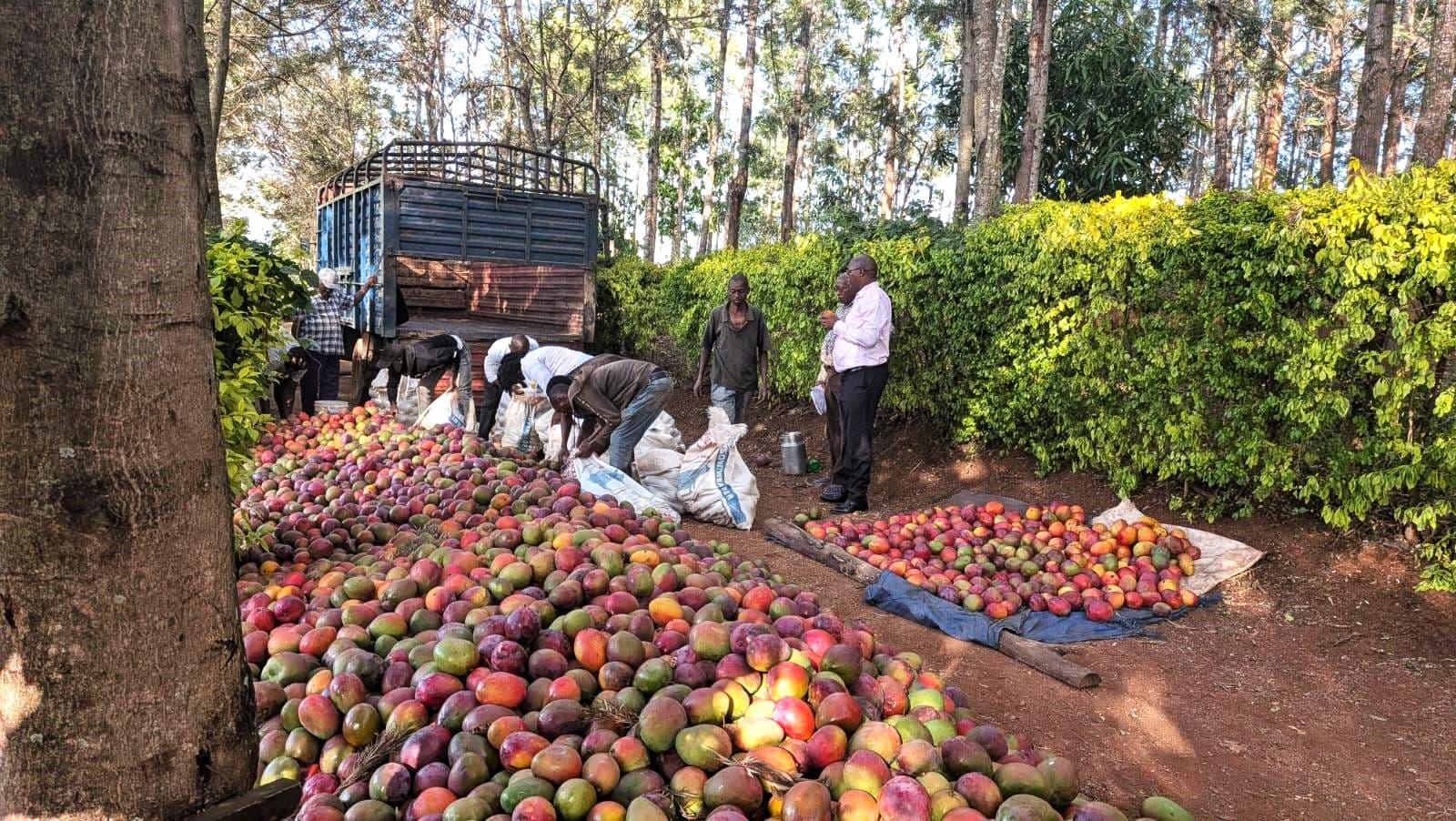
A crisis of abundance in Murang’a has been transformed into a nutritional lifeline for Nairobi’s school children. In a landmark deal, the county government has partnered with Food4Education to channel a massive mango surplus directly into the lunch plates of thousands of learners.
This innovative collaboration addresses two pressing problems simultaneously: the devastating post-harvest losses faced by farmers due to an unexpected bumper harvest, and the need for nutrient-rich meals in public schools. The glut, triggered by heavy rains in October 2025 followed by scorching heat, had threatened to leave tons of fruit rotting in the orchards of lower Murang’a. Instead, it is now fuelling the education of the next generation.
The mechanics of the deal are as refreshing as the fruit itself. The Murang’a County Government, through the Lower Murang’a Cooperative, is aggregating the surplus mangoes from over 5,000 smallholder farmers. These are then transported to Food4Education’s central kitchens, including their facility in Ruiru, where they are processed and distributed to schools across Nairobi and Kiambu.
Governor Irungu Kang’ata hailed the partnership as a victory for devolution and inter-county cooperation. By linking rural production with urban consumption, the initiative creates a stable market ecosystem that is resilient to climate shocks. "We are asking farmers not to harvest without authorization to maintain price stability," Kang’ata advised, emphasizing the need for disciplined supply chains.
This move signals a shift in how Kenya handles food security. [...](asc_slot://start-slot-9)Rather than viewing school feeding programs merely as social welfare, this model treats them as active market players capable of stabilizing agricultural volatility. Food4Education’s CEO Wawira Njiru described it as "school feeding functioning as a market solution," proving that public procurement can be agile enough to save a harvest.
The underlying driver of this glut—erratic weather patterns driven by climate change—is a warning shot for Kenya's agricultural sector. The unpredictability of the seasons means farmers can swing from drought to deluge in months. Systems like this, which can pivot quickly to absorb excess production, are vital buffers against the financial ruin of farmers.
As the first batch of 250,000 mangoes reached schools this week, the message was clear: with smart logistics and political will, Kenya can feed itself, turning the burden of surplus into the building blocks of a healthier nation.
Keep the conversation in one place—threads here stay linked to the story and in the forums.
Sign in to start a discussion
Start a conversation about this story and keep it linked here.
Other hot threads
E-sports and Gaming Community in Kenya
Active 10 months ago
The Role of Technology in Modern Agriculture (AgriTech)
Active 10 months ago
Popular Recreational Activities Across Counties
Active 10 months ago
Investing in Youth Sports Development Programs
Active 10 months ago
Key figures and persons of interest featured in this article