We're loading the full news article for you. This includes the article content, images, author information, and related articles.
CS Wycliffe Oparanya unveils a multi-billion shilling plan to revive the coffee and dairy sectors, distributing seedlings and operationalizing the Cherry Fund to rescue farmers from poverty.
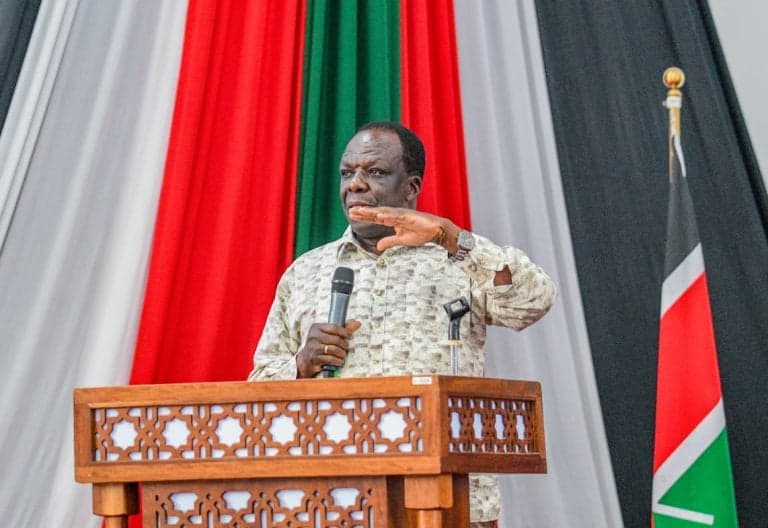
The government has declared an all-out war on the cartels and inefficiencies that have brought Kenya’s once-thriving coffee sector to its knees, pledging billions to put money back into the farmer's pocket.
Cooperatives and MSMEs Cabinet Secretary Wycliffe Oparanya, speaking during a high-stakes tour of coffee belts including Migori, announced a raft of measures to revitalize the industry. With a Ksh500 million kitty for seedlings and access to the Ksh8 billion Cherry Advance Fund, the state is putting its money where its mouth is. This is a rescue mission for a sector that has plummeted from producing 200,000 metric tonnes in the 1980s to a dismal 50,000 tonnes today.
The "so what" is economic survival. For millions of rural households, coffee was the educate-the-children crop. Its collapse has devastated rural economies. Oparanya’s revival plan is not just about agriculture; it is about rural reconstruction and restoring the dignity of the Kenyan farmer.
CS Oparanya detailed a multi-pronged approach. First, the distribution of subsidized seedlings to replace aged bushes that are no longer productive. Second, the restructuring of the New Kenya Planters Cooperative Union (New KPCU) and the New Kenya Cooperative Creameries (New KCC) to ensure they serve farmers, not brokers.
"We cannot allow a few individuals to hold millions of farmers hostage," Oparanya thundered. He promised that the government would enforce strict governance in cooperatives to prevent the looting of farmers' hard-earned cash. The introduction of the Cherry Fund is a game-changer, allowing farmers to access cash upon delivery of their crop, rather than waiting months for payment.
The decline of Kenyan coffee has been a boon for competitors like Ethiopia and Uganda. Oparanya’s mission is to reclaim Kenya’s spot on the global table. But trust is low. Farmers have heard these promises before. The success of this initiative will be measured not by the billions promised, but by the shillings that hit the farmer's M-Pesa account.
If Oparanya succeeds, he will have pulled off one of the greatest economic turnarounds in Kenya's history. If he fails, the coffee bushes will continue to be uprooted for real estate.
The government has fired the starting gun; now the real work begins in the shambas.
Keep the conversation in one place—threads here stay linked to the story and in the forums.
Sign in to start a discussion
Start a conversation about this story and keep it linked here.
Other hot threads
E-sports and Gaming Community in Kenya
Active 10 months ago
The Role of Technology in Modern Agriculture (AgriTech)
Active 10 months ago
Popular Recreational Activities Across Counties
Active 10 months ago
Investing in Youth Sports Development Programs
Active 10 months ago
Key figures and persons of interest featured in this article