We're loading the full news article for you. This includes the article content, images, author information, and related articles.
The capture of a key Darfur city by paramilitary forces unleashes new horror, pushing a humanitarian crisis closer to Kenya's borders and testing Nairobi's diplomatic muscle.
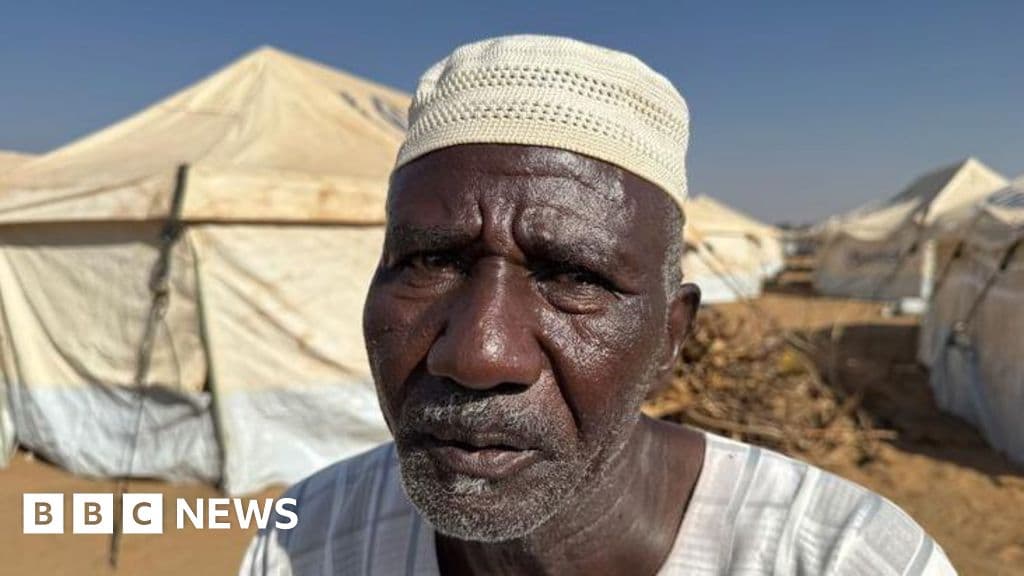
A terrifying new chapter has opened in Sudan’s civil war with the fall of el-Fasher, the last army stronghold in the vast Darfur region. For civilians like Abdulqadir Abdullah Ali, a 62-year-old who fled the carnage, it was a moment of pure panic. "People were out of control [with fear], they ran out of their houses... the father, the son, the daughter - running," he recounted, his escape made despite a leg injury from a lack of diabetes medicine during the brutal 18-month siege.
The collapse of the city into the hands of the paramilitary Rapid Support Forces (RSF) is more than a strategic victory; it is a humanitarian catastrophe that sends shockwaves across the region, landing directly at Kenya's doorstep. With reports of mass killings and ethnic violence emerging, Nairobi now faces the twin threats of a potential new refugee surge and a deepening regional instability that challenges its long-standing role as a peacemaker.
After a siege lasting over 500 days, RSF fighters overwhelmed the Sudanese Armed Forces (SAF) in late October 2025. What followed were harrowing accounts of atrocities. The RSF, which evolved from the notorious Janjaweed militia, has been accused of house-to-house raids, summary executions, and widespread sexual violence. One survivor, Fatima Yahya, described a city littered with the dead: "The dead bodies were everywhere — in the streets, inside houses and at the gates of many houses."
The violence has been systematic and brutal. International observers and satellite imagery analysis have pointed to evidence of mass graves and targeted killings. The UN has condemned the atrocities, including the killing of nearly 500 people at a maternity hospital, the only partially functioning health facility left in the city. The conflict, which erupted in April 2023 from a power struggle between SAF General Abdel Fattah al-Burhan and RSF leader General Mohamed Hamdan Dagalo, has now displaced nearly 12 million people and killed an estimated 150,000.
The events in Darfur are not a distant problem for Kenyans. The humanitarian fallout directly impacts national and regional stability. Kenya already hosts over 830,000 refugees and asylum seekers, with a significant number from previous conflicts in Sudan and South Sudan. The fall of el-Fasher threatens to swell these numbers as desperate civilians flee the violence.
This puts immense pressure on resources in places like the Kakuma and Dadaab refugee camps. Beyond the humanitarian cost, the escalating war tests Kenya's diplomatic influence. As a key member of the Intergovernmental Authority on Development (IGAD), Kenya has been central to peace efforts. The Ministry of Foreign Affairs has consistently called for a negotiated settlement and an African-led solution, reaffirming its commitment to facilitating humanitarian aid through its territory.
While international efforts to broker a truce have so far failed, the horrific violence in el-Fasher has brought renewed global attention to the crisis. For Kenya, the stakes are clear: the stability of its northern neighbour is intrinsically linked to its own security and economic future. The coming weeks will be critical, not only for the people of Sudan but for the entire Horn of Africa.
Keep the conversation in one place—threads here stay linked to the story and in the forums.
Sign in to start a discussion
Start a conversation about this story and keep it linked here.
Other hot threads
E-sports and Gaming Community in Kenya
Active 9 months ago
The Role of Technology in Modern Agriculture (AgriTech)
Active 9 months ago
Popular Recreational Activities Across Counties
Active 9 months ago
Investing in Youth Sports Development Programs
Active 9 months ago
Key figures and persons of interest featured in this article