We're loading the full news article for you. This includes the article content, images, author information, and related articles.
A damning new investigation reveals the Sudanese military has used unguided bombs on markets and schools, challenging the narrative that atrocities are solely the work of paramilitary forces.
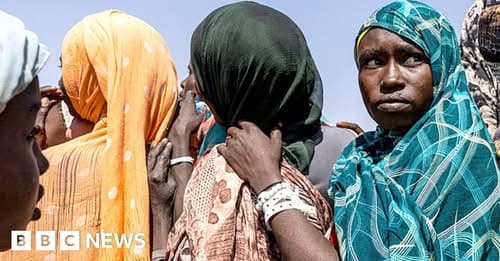
While global attention has largely focused on the paramilitary violence ravaging Darfur, a new investigation reveals that the Sudanese Armed Forces (SAF) have quietly slaughtered at least 1,700 civilians through air raids since April 2023.
The findings by the Sudan Witness Project shatter the illusion that the national military is merely acting as a protector against a rogue militia. For Kenya and the broader East African community, which continues to absorb waves of refugees fleeing this violence, the report underscores a grim reality: there are virtually no safe zones left in the conflict next door.
The investigation, which compiled the largest known dataset of military airstrikes in the ongoing civil war, paints a disturbing picture of a state military turning its firepower on its own people. The data indicates that the air force has frequently deployed unguided bombs—munitions that lack precision targeting—in densely populated areas.
According to the report, the targets were not isolated military outposts but the very fabric of civilian life:
The distinction in weaponry is crucial for attribution. The analysis focused exclusively on attacks by warplanes, assets that only the SAF possesses. Their rival, the Rapid Support Forces (RSF), operates drones but lacks fixed-wing aircraft.
Until now, the international narrative has been dominated by the horrific ethnic massacres in western Darfur, for which the RSF has been rightly condemned and faces accusations of genocide from the United States. However, this new data suggests a dangerous blind spot in the pursuit of justice.
Mark Snoeck, who led the Sudan Witness Project, emphasized that the focus on one side's atrocities should not absolve the other. "The RSF are being held responsible for a lot of damage and violations, and I think rightly so," Snoeck noted. "But I think the SAF should also be held accountable for their actions."
As regional leaders in Nairobi continue to push for a ceasefire, this report serves as a stark reminder that the violence is bilateral. The use of indiscriminate air power against soft targets suggests that for the average Sudanese citizen, the threat comes not just from the militia on the ground, but from the government in the sky.
Keep the conversation in one place—threads here stay linked to the story and in the forums.
Sign in to start a discussion
Start a conversation about this story and keep it linked here.
Other hot threads
E-sports and Gaming Community in Kenya
Active 9 months ago
The Role of Technology in Modern Agriculture (AgriTech)
Active 9 months ago
Popular Recreational Activities Across Counties
Active 9 months ago
Investing in Youth Sports Development Programs
Active 9 months ago