We're loading the full news article for you. This includes the article content, images, author information, and related articles.
Zambia’s meteorological authorities issue a high-level alert as Tropical Cyclone Gezani enters the Mozambique Channel, threatening to unleash widespread flooding and infrastructure damage across the nation.
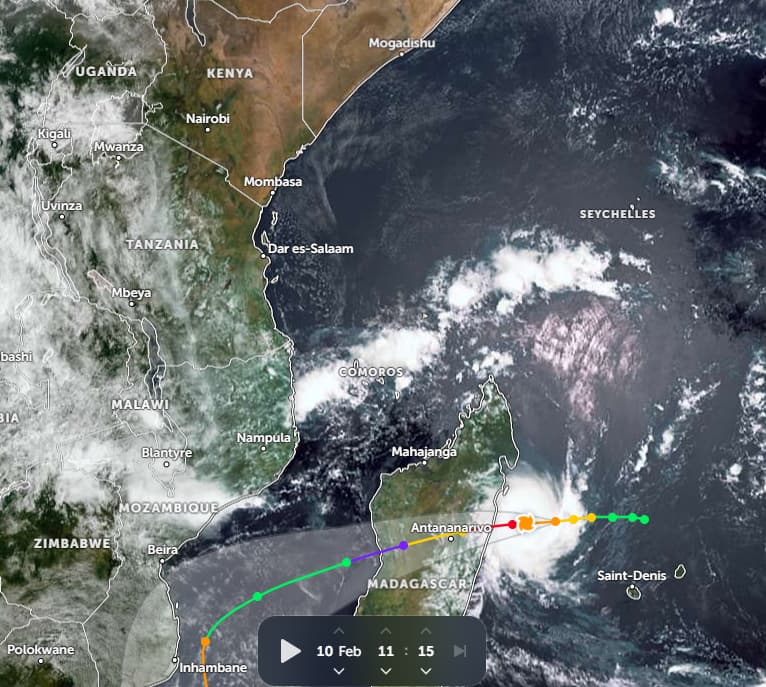
A looming meteorological disaster threatens the southern African interior as the remnants of Tropical Cyclone Gezani barrel towards the Mozambique Channel, prompting urgent red alerts across Zambia.
The Ministry of Green Economy and Environment has issued a severe weather warning, forecasting that the cyclone’s interaction with the Inter-Tropical Convergence Zone (ITCZ) will unleash catastrophic rainfall and flash floods. This is not merely a weather event; it is a stress test for the region’s fragile infrastructure and a grim reminder of the intensifying climate crisis gripping the continent.
Cyclone Gezani, which made a destructive landfall on Madagascar’s east coast earlier this week with wind speeds clocking 148 kilometers per hour, has weakened into a Severe Tropical Storm but remains a potent threat. Meteorologists warn that as the system enters the warm waters of the Mozambique Channel, it will act as a massive atmospheric pump, drawing moisture deep into the Zambian interior. The forecast predicts widespread torrential downpours, with specific focus on low-lying areas and river basins that are already near saturation point.
“This is a textbook setup for riverine flooding,” a senior climatologist remarked privately. “The ground is primed, and the sheer volume of water Gezani is pushing inland will overwhelm drainage systems in Lusaka and the Copperbelt within hours.” The government has explicitly advised citizens to secure loose outdoor items and avoid crossing flooded bridges—a directive that often goes unheeded in rural areas where daily survival necessitates movement.
The arrival of Gezani coincides with a particularly volatile rainy season for Southern Africa. The ITCZ has been oscillating violently, creating a corridor of instability that has already tested disaster response mechanisms in Malawi and Zimbabwe. For Zambia, the stakes are economic as well as humanitarian. The agricultural sector, still recovering from previous drought cycles, now faces the inverse threat of crop-rotting floods. Small-scale farmers in the southern provinces are particularly exposed, with thousands of hectares of maize at risk of being washed away.
As the storm system inches closer, the atmosphere in Lusaka is heavy with anticipation. Emergency response teams have been placed on high alert, but resources remain stretched. The coming 72 hours will define the nation’s resilience against a climate reality that is becoming increasingly hostile and unpredictable.
Keep the conversation in one place—threads here stay linked to the story and in the forums.
Sign in to start a discussion
Start a conversation about this story and keep it linked here.
Other hot threads
E-sports and Gaming Community in Kenya
Active 9 months ago
The Role of Technology in Modern Agriculture (AgriTech)
Active 9 months ago
Popular Recreational Activities Across Counties
Active 9 months ago
Investing in Youth Sports Development Programs
Active 9 months ago