We're loading the full news article for you. This includes the article content, images, author information, and related articles.
The Treasury has earmarked the massive proceeds from the partial sale of its Safaricom stake to seed a new infrastructure fund, aiming to finance major national projects without accumulating further public debt.
The Kenyan government is set to channel the KES 244.5 billion windfall from selling a 15% stake in Safaricom into a new fund dedicated to long-term infrastructure projects. This strategic shift aims to fuel development in critical sectors without worsening the nation's debt burden.
This move comes as Kenya grapples with significant fiscal pressures, including a ballooning public debt that stood at KES 12.06 trillion as of September 2025. The sale provides a crucial non-debt financing stream, allowing the government to pursue its development agenda while attempting to stabilize the economy.
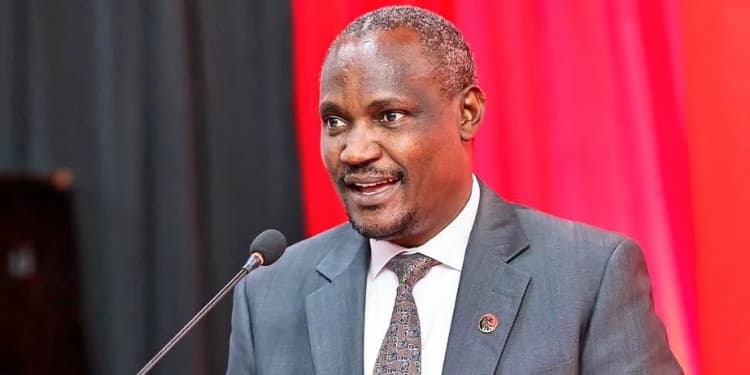
National Treasury Cabinet Secretary John Mbadi confirmed the proceeds will serve as the foundational capital for the National Infrastructure Fund and a proposed Sovereign Wealth Fund. These funds are designed to finance key projects in energy, transport, water, and aviation, effectively converting a state asset into new, long-term development assets.
The transaction involves selling 6 billion shares to South Africa's Vodacom Group at KES 34 each, a price representing a significant premium on the market value. The deal, which raises Vodacom's stake to a controlling 55%, also includes an upfront payment of KES 40.2 billion for future dividend rights on the government's remaining 20% shareholding.
The cash injection arrives at a critical time. The government's 2025/2026 budget projects a fiscal deficit of KES 923.2 billion, which was planned to be financed through substantial domestic and external borrowing. This windfall is expected to ease the pressure on domestic borrowing and provide greater stability.
Analysts note that this divestiture is part of a broader government strategy to raise funds by privatizing state-owned enterprises, aiming to reduce reliance on debt. The government has been struggling with missed revenue targets and high debt servicing costs, which consume a large portion of tax revenues.
For the average Kenyan, this strategy promises a future where essential services and infrastructure are improved without the immediate threat of new taxes. The government's focus on infrastructure aims to:
Despite the sale, Treasury officials have assured that national interests, including data protection and the integrity of payment systems like M-Pesa, will remain protected under Kenyan regulations. The government will retain two seats on Safaricom's board to influence strategic decisions.
While the move to fund infrastructure without debt is widely seen as positive, the long-term success of this strategy hinges on the transparent and efficient management of the new funds. As Treasury PS Chris Kiptoo noted, the transaction is expected to generate significant foreign exchange inflows, strengthen Kenya's reserves, and support currency stability.
Keep the conversation in one place—threads here stay linked to the story and in the forums.
Sign in to start a discussion
Start a conversation about this story and keep it linked here.
Other hot threads
E-sports and Gaming Community in Kenya
Active 9 months ago
The Role of Technology in Modern Agriculture (AgriTech)
Active 9 months ago
Popular Recreational Activities Across Counties
Active 9 months ago
Investing in Youth Sports Development Programs
Active 9 months ago
Key figures and persons of interest featured in this article